

 English
 русский
 Español
 عربى
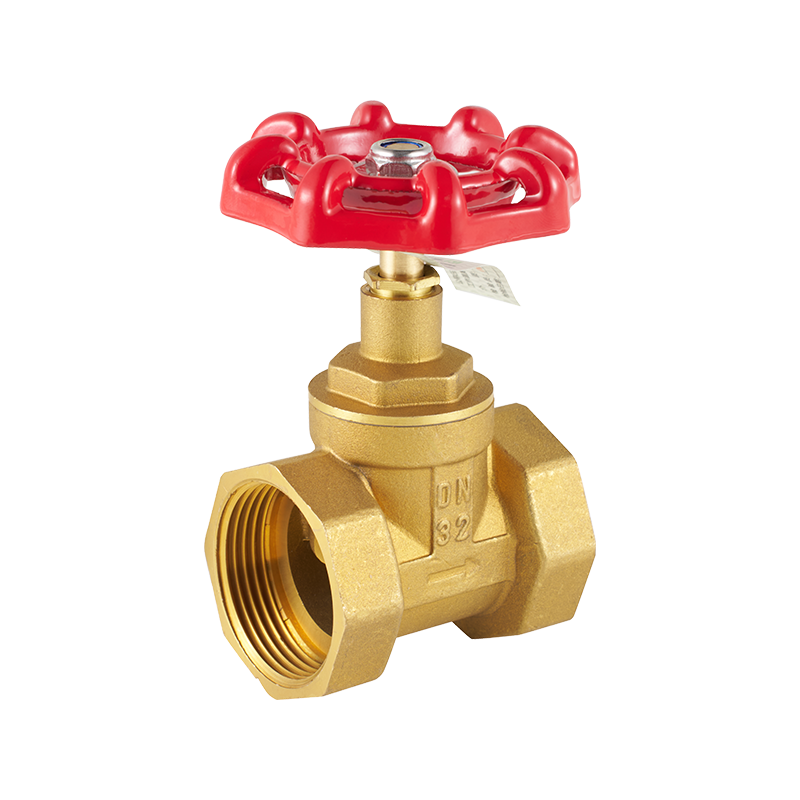
In industrial piping systems, even a small valve leakage issue can create maintenance difficulties, interrupt operations, and increase inspection costs. This is why engineers and procurement teams are paying closer attention to sealing structures, material compatibility, and service conditions when selecting flow control equipment. For buyers sourcing a Globe Valve/Stop Valve, the challenge is not simply finding a valve that matches the pipeline size. It is identifying a design that provides dependable shutoff performance while handling the pressure, temperature, and operating conditions of the application.
Why Is Valve Sealing Receiving More Attention?
Industrial facilities are placing greater emphasis on equipment reliability and leakage management. In oil and gas processing, chemical production, steam systems, and other industrial applications, valve stem leakage can become a concern during long operating periods.
The packing arrangement plays an important role in limiting leakage around the moving stem. Buyers should therefore examine packing material, gland construction, stem surface finish, and the possibility of future adjustment or replacement.
For manufacturers, sealing performance needs to be considered during product design rather than treated as a final assembly detail. Appropriate packing selection and controlled machining can contribute to more consistent sealing performance under specified operating conditions.
How Does Valve Seat Wear Affect Long-Term Performance?
The disc and seat are essential components in a globe valve. Their contact condition directly influences shutoff performance and the valve's ability to regulate flow.
Repeated opening and closing, unsuitable operating conditions, and abrasive particles in the medium may contribute to surface wear. In throttling applications, high differential pressure can also create demanding conditions for internal components.
When evaluating a valve, buyers should consider:
- Disc and seat material compatibility with the process medium.
- Surface finishing and machining accuracy.
- Expected pressure differential during operation.
- Availability of replacement components.
- Maintenance requirements for the selected valve structure.
Manufacturers should ensure that internal components are produced according to the specified design and application requirements.
Is a Globe Valve Suitable for Both Flow Regulation and Shutoff?
A globe valve is commonly selected when an application requires manual flow adjustment or controlled throttling alongside shutoff capability. Its disc moves toward or away from the seat, allowing the opening to be adjusted according to operating requirements.
However, this design also creates greater flow resistance than some straight-through valve types. When fully open, a globe valve generally produces a higher pressure drop than a comparable full-bore gate or ball valve.
Engineers should therefore evaluate the actual duty before selecting a valve. If the main requirement is frequent flow regulation, a properly specified globe valve may be suitable. If minimizing pressure loss in a fully open pipeline is the priority, another valve design may be more appropriate.
Does Material Selection Match the Operating Environment?
A valve that performs well in one installation may not be suitable for another because operating media and environmental conditions vary considerably.
Carbon steel, stainless steel, and other material options serve different application requirements. Temperature, pressure, corrosion exposure, and fluid characteristics should all be considered before confirming the material specification.
For procurement teams, important questions include:
- Is the body material suitable for the operating medium?
- Can the selected trim withstand the expected service conditions?
- Are the pressure and temperature ratings appropriate?
- Are the required material certificates and inspection documents available?
As manufacturers, we emphasize confirming technical specifications before production to reduce material selection errors and improve product suitability.
What Should Buyers Check Before Ordering Stop Valves?
A product quotation may include the valve size and price, but these details alone are not sufficient for technical evaluation. Procurement teams should provide complete application information so that the manufacturer can confirm the appropriate configuration.
A practical purchasing checklist includes:
- Nominal size and pressure class.
- Required end connection and face-to-face dimensions.
- Body, disc, and stem material.
- Operating temperature and pressure.
- Medium characteristics and flow direction.
- Applicable design and testing standards.
Clear specifications also help manufacturers prepare accurate drawings, quotations, and production arrangements.
How Can Maintenance-Friendly Design Reduce Operating Difficulties?
Maintenance accessibility is another important consideration for industrial buyers. Components such as packing, gaskets, discs, and seats may require inspection or replacement during the valve's service life.
A practical construction design should allow maintenance personnel to identify relevant components and follow the recommended servicing procedures. Reliable component fit, accessible bonnet connections, and consistent spare-part specifications can also simplify maintenance planning.
For distributors and industrial equipment suppliers, working with manufacturers that understand component compatibility and provide clear technical documentation can make after-sales support more manageable.
Choosing a Globe Valve Manufacturer for Long-Term Supply
Selecting a suitable valve supplier involves more than comparing product prices. Buyers should evaluate manufacturing capability, material control, machining accuracy, pressure testing procedures, and the availability of technical documentation. These factors help determine whether a supplier can meet project specifications and support repeat orders.
As a manufacturer, we believe that a dependable Globe Valve/Stop Valve should be developed around actual operating requirements, with attention to sealing structures, internal component quality, and maintenance accessibility. By working with a manufacturer that understands application-specific requirements, international buyers can make more informed purchasing decisions for industrial piping and flow control projects.



 CONTACT US
