

 English
 русский
 Español
 عربى
Industrial piping systems require valves that can control flow, isolate equipment, and operate reliably under defined service conditions. Although globe valves are commonly used for flow regulation and stop valves are often selected for shutoff duties, the correct choice depends on more than the valve name. Engineers and procurement teams need to consider operating pressure, temperature, fluid characteristics, flow requirements, sealing performance, and maintenance access. When sourcing a Globe Valve/Stop Valve, understanding these factors helps buyers select a design that fits the actual pipeline application rather than relying on general product descriptions.
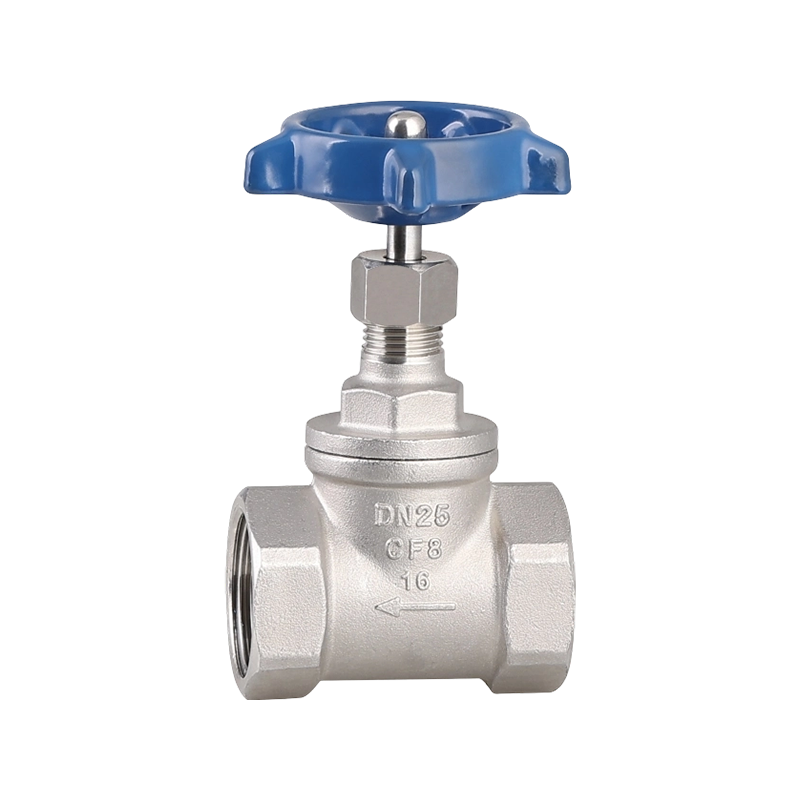
Understand the Difference Between Flow Regulation and Isolation
A globe valve uses a movable disc and seat arrangement to regulate or stop fluid flow. Its design allows the opening to be adjusted, making it suitable for applications where flow control is required. However, this throttling function can create a pressure drop, which should be considered during system design.
The term stop valve is used in different ways across markets and product specifications. In many applications, it refers to a valve intended primarily for isolating flow. Buyers should therefore confirm the valve's construction and intended function rather than assuming that every product described as a stop valve has the same internal design.
Clear terminology during procurement helps avoid misunderstandings between suppliers, engineers, and project contractors.
Evaluate Pressure Drop Before Choosing a Globe Valve
Globe valves change the direction of fluid as it passes through the valve body. This flow path supports regulation but generally creates more resistance than some other valve designs.
For systems where pressure loss affects pump selection, energy consumption, or downstream equipment, engineers should review the valve's flow characteristics and pressure-drop information. The required flow rate and operating conditions should be considered together instead of selecting a valve based only on nominal size.
Manufacturers can support this evaluation by providing relevant technical information and helping buyers match the valve configuration to the intended service conditions.
Select Materials According to the Working Medium
The valve body, trim, stem, seat, and sealing components are exposed to different mechanical and chemical conditions. Material selection should reflect the fluid being handled, operating temperature, pressure, and potential corrosion or erosion risks.
For example, a valve used in a general water system may have different material requirements from one installed in a chemical processing line. Buyers should provide accurate information about the medium and operating environment before requesting a quotation.
Important details to confirm include:
- Valve body and trim material specifications
- Compatibility with the process medium
- Temperature and pressure requirements
- Corrosion or erosion considerations
- Applicable material standards and documentation
A suitable material combination supports the intended service life and helps prevent avoidable compatibility issues.
Sealing Performance Depends on More Than the Seat Material
A valve's ability to shut off flow depends on the interaction between the disc, seat, stem, and other internal components. Surface finish, machining accuracy, alignment, and assembly quality can all influence sealing performance.
For buyers, it is useful to ask how sealing surfaces are processed and inspected. The required leakage acceptance criteria should also be defined according to the project specification and applicable standards.
From a manufacturing perspective, controlling critical dimensions and inspecting the assembled valve are important steps. A suitable inspection plan should verify that the finished product meets the agreed requirements rather than relying solely on the appearance of individual components.
Consider Actuation, Installation, and Maintenance
The operating method affects how a valve fits into the wider pipeline system. Depending on the design and application, a globe valve or stop valve may use a handwheel, gearbox, or actuator.
Before purchasing, engineers should consider installation orientation, available operating space, connection type, and accessibility for maintenance. In systems with frequent operation, the ease of turning the handwheel or integrating an actuator may also influence the selection.
Procurement teams should discuss spare parts, packing replacement, inspection access, and maintenance instructions with the supplier. These considerations can help reduce difficulties after the valve enters service.
Match Testing and Documentation to Project Requirements
Industrial buyers increasingly need traceable product information to support project approval, quality management, and maintenance records. However, testing requirements vary according to valve type, design standard, material, and application.
Before placing an order, buyers should clarify:
- Applicable design and manufacturing standards
- Pressure and leakage testing requirements
- Material certificates and inspection records
- Required marking and product identification
- Documentation needed for project acceptance
Agreeing on these details before production helps prevent delays caused by unclear technical expectations.
Choose a Manufacturer That Understands the Application
Selecting a valve is an engineering decision as much as a purchasing decision. Flow regulation, shutoff requirements, pressure loss, material compatibility, sealing design, and maintenance access should all be evaluated as part of the same process.
When sourcing a Globe Valve/Stop Valve, overseas buyers should work with a manufacturer that can review technical drawings, operating conditions, connection requirements, and applicable standards. A clear understanding of the application helps the manufacturer recommend a suitable valve configuration and gives procurement teams a more reliable basis for comparing products and planning long-term supply.


 CONTACT US
