

 English
 русский
 Español
 عربى
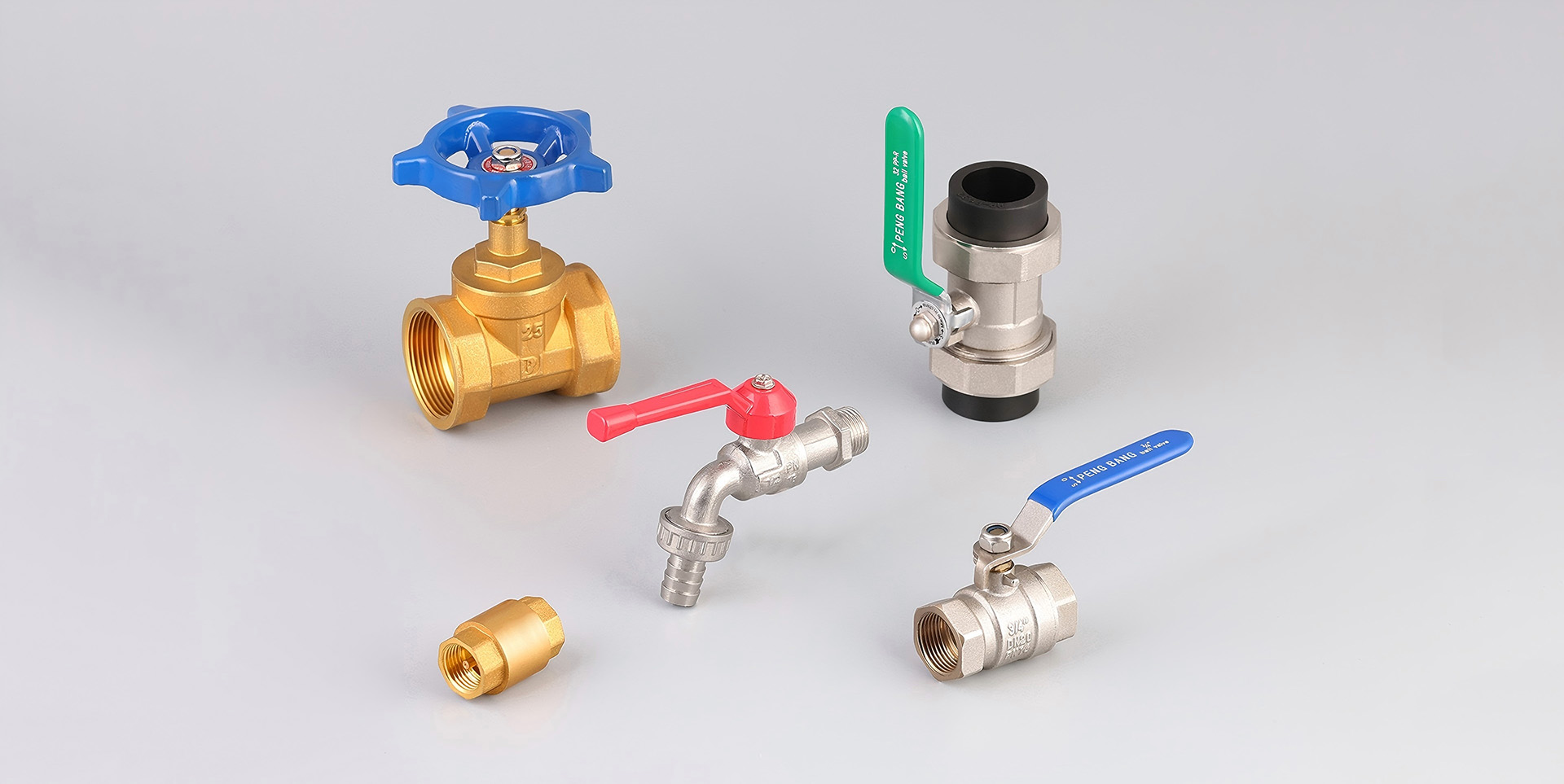
عربىSelecting valves for systems where temperature variations affect performance involves careful evaluation of materials and designs. In contexts like those handled by a globe valve factory, the PPR ball valve offers a practical option due to its construction from polypropylene random copolymer, which supports use in environments with fluctuating heat levels. This guide outlines steps to choose such valves, drawing on their features to address common concerns in applications ranging from plumbing to chemical processing.
Understanding the Role of Temperature in Valve Selection
Temperature influences how valves perform in fluid control systems, particularly in setups where heat or cold can alter material integrity or flow characteristics. For PPR ball valves, the material's ability to function across a range from -20°C to 95°C provides flexibility for various conditions. When assessing needs, start by identifying the expected temperature extremes in your application. For instance, in hot water distribution or cooling circuits, ensure the valve's rating aligns with the system's operating range to maintain consistent operation. Consider factors like thermal expansion, which can impact sealing if not accounted for, and review manufacturer specifications to confirm compatibility without assuming universal fit. This step helps in matching the valve to the environment, reducing potential issues from mismatched thermal properties.
Assessing Material Composition and Durability
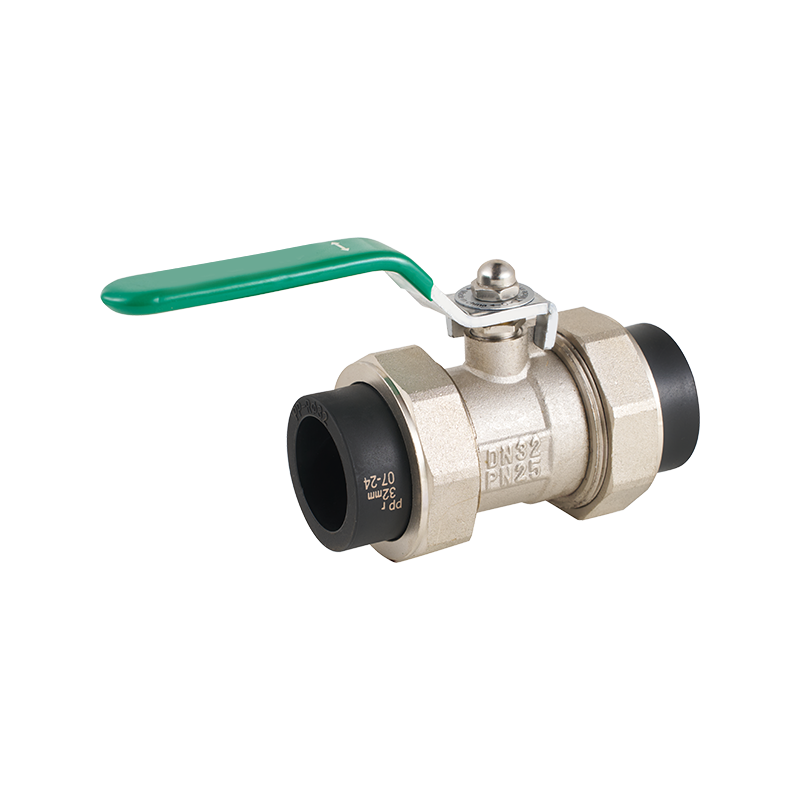
The composition of a PPR ball valve plays a central part in its suitability for temperature-sensitive tasks. Polypropylene random copolymer, the core material, resists corrosion and maintains structural stability under varying conditions. To select appropriately, examine the valve's build quality, including the ball and stem, which should withstand repeated cycles of heating and cooling. Look for valves with reinforced components if the application involves frequent temperature shifts, as this can support longer use periods. In practice, testing the valve in simulated conditions or consulting material data sheets can reveal how it holds up against environmental stresses. Avoid overlooking the impact of pressure combined with temperature, as higher pressures at elevated temperatures may require valves with thicker walls or specific grades of PPR.
Evaluating Sealing Mechanisms for Fluid Integrity
Sealing is a key aspect when temperatures fluctuate, as expansion or contraction can affect how tightly the valve closes. In PPR ball valves, the quarter-turn mechanism with a spherical ball creates a seal that contains fluids effectively. To choose the right one, inspect the seat material—often made from compatible polymers—and verify it can handle the thermal range without degrading. For applications like food processing or chemical lines, where leaks could compromise the system, opt for designs with adjustable packing or double seals if needed. Practical advice includes checking for certifications that indicate performance under thermal stress, and performing on-site trials to observe seal behavior over time. This approach ensures the valve supports fluid control without unnecessary interruptions.
Considering Operational Ease and System Integration
Ease of operation matters in temperature-sensitive setups, where quick adjustments may be necessary to respond to heat changes. The design of PPR ball valves allows for straightforward handling, with a lever or actuator that turns 90 degrees to open or close. When selecting, factor in the installation environment: for example, in confined spaces or areas with protective gear requirements, a valve with ergonomic handles can facilitate use. Integration with existing piping is another consideration—available in threaded, flanged, or socket fusion styles, these valves fit various configurations. Measure pipe diameters and flow rates to ensure the valve size matches, preventing restrictions that could amplify temperature effects on flow. Consulting diagrams or compatibility charts from suppliers can aid in this process, helping to align the valve with the system's layout.
Reviewing Chemical and Environmental Compatibility
In applications where temperature interacts with chemicals, compatibility becomes essential. PPR ball valves handle a variety of substances due to the material's resistance properties, but selection requires matching the valve to the specific media involved. For heated chemical solutions or chilled beverages, analyze the fluid's pH and composition against the valve's resistance profile. Outdoor or UV-exposed installations may benefit from grades with added stabilizers, while indoor ones focus on static dissipation if volatile substances are present. To make an informed choice, use compatibility tables or conduct exposure tests, noting how temperature alters interactions. This evaluation prevents material breakdown and supports steady performance in diverse settings.



 CONTACT US