

 English
 русский
 Español
 عربى
عربىWithin industrial and plumbing systems, maintaining consistent and stable flow regulation is a central requirement. This involves not only the design and performance of individual components, such as the PPR ball valve, but also the comprehensive processes employed by a globe valve factory during manufacturing. The production of valves that deliver predictable control stems from a methodical approach encompassing material science, engineering precision, and rigorous validation.
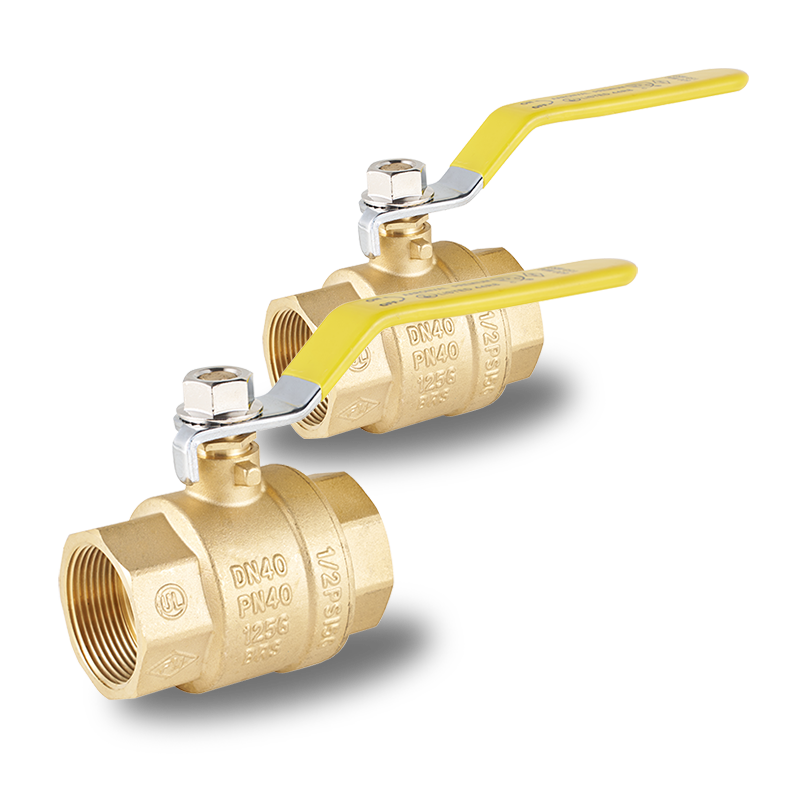
Material Selection and Compatibility
A foundational step begins with the careful selection of materials suited to specific service conditions. For instance, polypropylene random (PP-R) is known for its chemical resistance and durability across a range of temperatures. A factory focusing on quality will source standardized raw materials and subject them to incoming inspections. This ensures that the base polymer for a PP-R ball valve or the body material for a globe valve possesses consistent properties, which is vital for long-term dimensional stability and performance under varying pressures and temperatures.
Precision in Engineering and Machining
Stable regulation is directly tied to the internal geometry and surface finish of valve components. Advanced computer-aided design (CAD) and computer-aided manufacturing (CAM) systems are commonly used to model fluid dynamics and stress points. In machining, precision tooling creates components like the plug and seat in a globe valve or the ball and seals in a ball valve with tight tolerances. This attention to detail helps in achieving the intended flow characteristics—whether it is the linear flow regulation of a globe valve or the full-bore, low-resistance flow of a ball valve—and contributes to consistent operation over many cycles.
Integrated Assembly and Calibration Processes
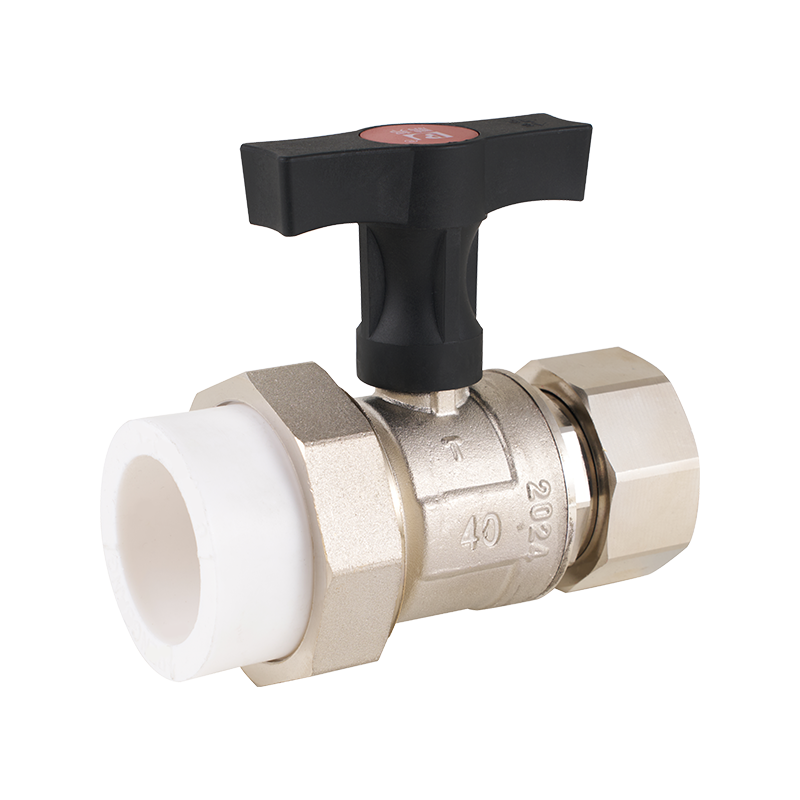
The assembly phase is where components converge. Factories implement controlled assembly stations where trained technicians follow specified procedures. For globe valves, this includes the careful installation of the stem, plug, and seat arrangement to ensure proper alignment for smooth throttling. Similarly, for a PP-R ball valve, the ball is precisely set within the seals to create an effective shut-off. Critical valves often undergo calibration or adjustment during assembly to verify that the relationship between the actuator position (e.g., handwheel rotation) and the flow area meets defined standards, supporting accurate flow control.
Comprehensive Testing and Performance Validation
Perhaps the direct way a factory confirms stable flow regulation is through systematic testing. This goes beyond simple pressure tests. Flow coefficient (Cv) testing measures the valve’s capacity to pass fluid at given pressures, providing essential data for engineers designing a system. Endurance cycling tests simulate repeated opening and closing to evaluate wear and long-term seal integrity. Additionally, tests for leakage rates, both upstream and downstream, verify shut-off capability. These validation steps offer practical evidence that the valve will perform as intended in field conditions.
Quality Management and Continuous Oversight
A structured quality management system underpins all stages of production. This includes documentation control, traceability of parts, and regular audits. By maintaining records from material batches through to final testing, a factory can quickly address any deviations. Furthermore, feedback from performance testing often informs incremental refinements in design or assembly techniques, fostering ongoing improvements in product consistency.
The outcome of this multi-stage approach is a product range capable of supporting stable system operation. Whether the application calls for the on/off service and flow restriction of a PP-R ball valve in a chemical line, or the precise modulating control offered by a globe valve in a heating circuit, the methodology behind their manufacturing is key. It is through these combined efforts in material control, precision engineering, thorough testing, and systematic quality assurance that a factory contributes to dependable flow regulation in diverse industrial settings.


 CONTACT US