

 English
 русский
 Español
 عربى
عربىFor professionals specifying or maintaining fluid control systems, understanding what happens inside a globe valve factory provides insight into product performance and longevity. The consistent operation of valves, from a widely used PPR ball valve to a more complex globe valve, hinges on specific, often overlooked, production details. These details collectively determine how well a valve will regulate flow, withstand service conditions, and integrate into a broader system.
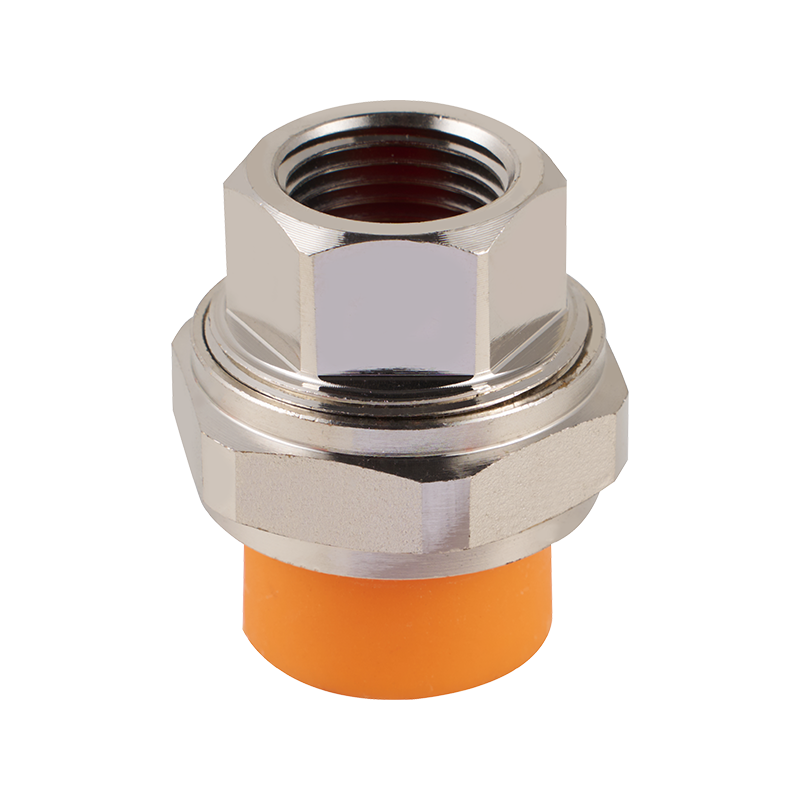
Material Verification and Pre-Processing
The production journey begins long before machining. Reputable factories implement strict material verification protocols. For metal globe valves, this involves certifying the grade and composition of castings or forgings, such as carbon steel, stainless steel, or bronze. For polymer valves like those made from PP-R, it means testing raw resin batches for properties like melt flow index and thermal stability. This step ensures the material's inherent characteristics—corrosion resistance, mechanical strength, and temperature tolerance—meet the required specifications. Pre-processing, such as controlled storage of materials to prevent moisture absorption or degradation, is also a fundamental detail that influences the quality of the final component.
Precision Machining and Surface Finish
The internal components responsible for flow regulation and sealing undergo precise machining. For a globe valve, the geometry of the plug and the seat ring is critical. Computer Numerical Control (CNC) machines are typically used to achieve the specific taper angles and contours designed for predictable flow control and smooth shut-off. The surface finish of these mating parts, measured in microns, is closely monitored. A surface that is too rough can cause premature wear and leakage, while an appropriate finish supports effective sealing. Similarly, in a PP-R ball valve, the sphericity and surface quality of the ball are checked to ensure a consistent seal against the polymer seats.
Controlled Assembly Environments and Procedures
Assembly is rarely a generic process. Factories dedicated to quality control the environment where valves are put together. Clean, organized assembly areas prevent particulate contamination, which can score sealing surfaces or hinder actuator movement. Technicians follow documented procedures using calibrated tools. Key details include applying specified torque values to bolted connections (like bonnet joints) to prevent distortion, using approved lubricants on stems and threads compatible with the service media, and ensuring proper alignment of the disc, stem, and actuator. For thermoplastic valves, such as a PP-R ball valve, this stage includes carefully calibrated heat fusion or threading equipment to create robust, leak-free connections to the valve body.
Functional and Performance Testing
A defining detail of a responsible manufacturing process is that every valve, or a statistically significant sample from each batch, undergoes functional testing. This goes beyond a simple air or water pressure test. Common validation steps include shell tests (to check the body integrity under pressure), seat leakage tests (to verify shut-off capability), and operational torque tests (to ensure the valve can be operated within expected parameters). For regulating valves, factories may perform flow characteristic tests to confirm that the relationship between stem travel and flow rate aligns with the design profile (e.g., linear or equal percentage).
Traceability and Documentation
A less visible but equally important detail is a robust traceability system. This involves marking valves or their major components with unique identifiers, such as lot numbers or serial numbers. All relevant data—material certificates, inspection records, test results, and final inspection approvals—are linked to this identifier. This system allows for historical tracking and supports quality investigations if needed. It provides specifiers with assurance that the product's manufacturing history is documented and accessible.
These interconnected details form the foundation of a valve's service life. The focus on material integrity, machining accuracy, clean assembly, thorough testing, and traceable records in a globe valve factory directly translates into the predictable performance of its products. Whether the application requires the straightforward on-off control of a PP-R ball valve or the precise modulating function of a globe valve, attention to these production aspects contributes to system stability and reduced long-term maintenance.


 CONTACT US