

 English
 русский
 Español
 عربى
Selecting an industrial valve based only on pipeline diameter can create problems during installation and operation. A valve that is too large or too small for the required flow conditions may affect pressure control, energy consumption, and system stability. For engineers and procurement professionals, choosing the right Globe Valve/Stop Valve requires a closer look at flow capacity, pressure differential, operating frequency, and installation conditions. Proper valve sizing helps ensure that the selected equipment matches the actual demands of the piping system rather than simply fitting the connection dimensions.
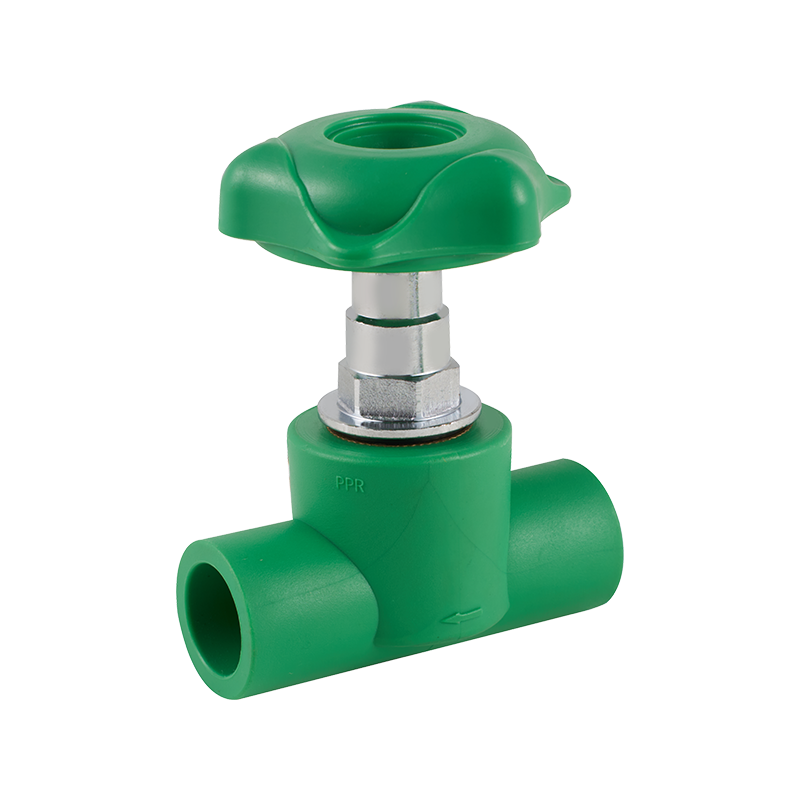
Why Does Valve Sizing Matter Beyond Pipeline Diameter?
Nominal pipe size is an important starting point, but it does not determine whether a valve can handle the required flow efficiently. Engineers also need to consider fluid properties, operating pressure, temperature, and the expected flow rate.
Globe valves are widely used in applications requiring flow regulation because their disc movement allows the opening to be adjusted. However, their internal flow path creates resistance, which means the pressure drop should be evaluated during the selection process.
For manufacturers, understanding the operating conditions provided by buyers is essential for recommending an appropriate valve configuration. Selecting a product according to complete technical requirements can help avoid unnecessary adjustments after installation.
How Does the Flow Coefficient Affect Valve Selection?
The flow coefficient, commonly expressed as Cv or Kv depending on the applicable standard, helps describe a valve's flow capacity under defined conditions.
A valve with insufficient flow capacity may restrict the required flow rate. Conversely, selecting an excessively large valve may make accurate regulation more difficult in certain operating conditions.
When evaluating a globe valve, engineers should consider:
- Required flow rate under normal operating conditions.
- Minimum and maximum expected flow rates.
- Pressure difference across the valve.
- Fluid density, viscosity, and operating temperature.
- Whether the valve will operate mainly in an open, closed, or throttling position.
These parameters help determine whether the selected valve can provide the required performance throughout its intended operating range.
Can Pressure Drop Influence Overall System Efficiency?
Pressure drop is an important factor when selecting valves for industrial pipelines. Because globe valves change the direction of fluid movement within their internal passages, they generally create more flow resistance than some straight-through valve designs.
In steam distribution, water treatment, and industrial process systems, engineers should evaluate the pressure loss associated with the selected valve under expected flow conditions.
The objective is not simply to minimize pressure drop. A suitable design should balance flow control requirements, available pressure, and system operating efficiency.
Manufacturers can support this process by providing relevant flow characteristics and technical specifications for engineering evaluation.
Which Globe Valve Structure Is Suitable for Different Installations?
Installation conditions can influence the choice of valve body configuration. Common globe valve designs include straight-pattern, angle-pattern, and Y-pattern structures.
Each configuration has different characteristics:
- Straight-pattern globe valves: Commonly used in general pipeline installations where the conventional globe valve arrangement is suitable.
- Angle-pattern globe valves: Combine a change in flow direction with the valve body, which may simplify certain piping layouts.
- Y-pattern globe valves: Use an angled internal passage to reduce flow resistance compared with conventional straight-pattern designs of comparable specifications.
The final choice depends on pipeline layout, flow direction, available installation space, and operating requirements. Buyers should review dimensional drawings and connection details before confirming an order.
What Installation Details Should Engineers Confirm?
Even a correctly sized valve may create installation difficulties if connection dimensions or maintenance clearances are overlooked.
Before purchasing, engineering teams should verify the following details:
- Face-to-face dimensions and overall valve height.
- Flange standards, pressure ratings, and connection dimensions.
- Flow direction and installation orientation.
- Available clearance for handwheel operation.
- Space required for inspection and future maintenance.
For industrial projects involving multiple pipeline sections, confirming these details during the technical review stage can help reduce installation changes and coordination problems.
How Can Manufacturers Support More Accurate Valve Selection?
A capable manufacturer should do more than supply products according to a basic size list. Technical communication is important when buyers need to match valve performance with specific process conditions.
Manufacturers can support procurement teams by reviewing operating parameters, confirming material and pressure specifications, providing dimensional drawings, and clarifying applicable testing requirements.
Production quality also matters. Consistent machining, assembly control, and pressure testing help ensure that manufactured valves correspond to the approved technical specifications.
For OEM projects and repeat purchases, maintaining consistent drawings and product configurations can further simplify procurement and inventory management.
Making a Better Globe Valve Purchasing Decision
Choosing an industrial valve requires a combination of engineering evaluation and practical purchasing considerations. Pipeline diameter, flow coefficient, pressure drop, body configuration, and installation dimensions all influence whether a product is suitable for its intended application.
As a manufacturer, we believe that selecting a Globe Valve/Stop Valve should begin with understanding the actual operating conditions rather than relying on nominal size alone. By providing clear technical requirements and working with manufacturers who understand valve construction and application differences, international buyers can make more informed decisions for industrial flow control projects.


 CONTACT US
