

 English
 русский
 Español
 عربى
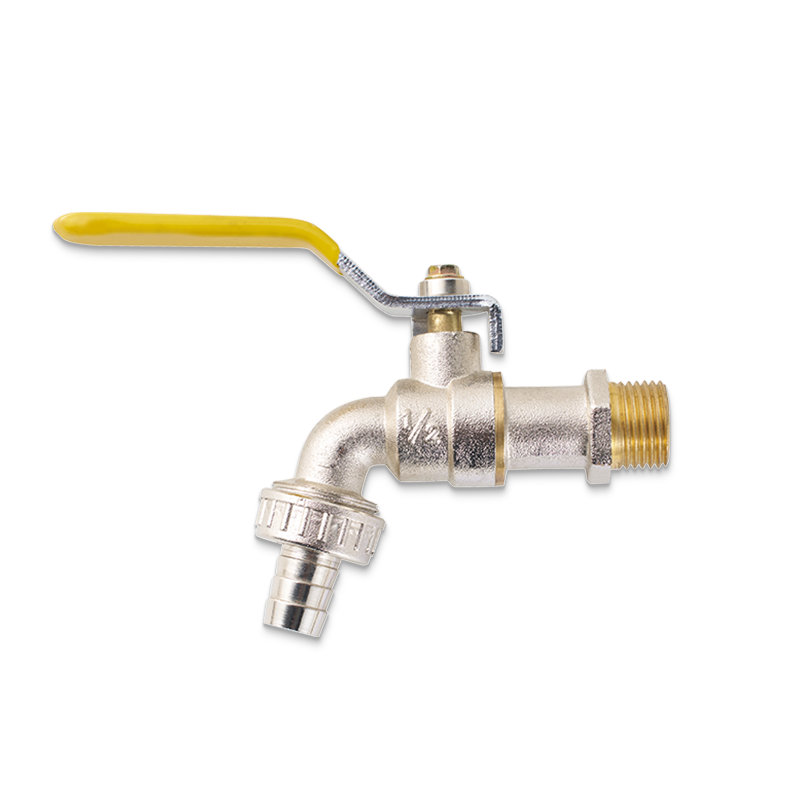
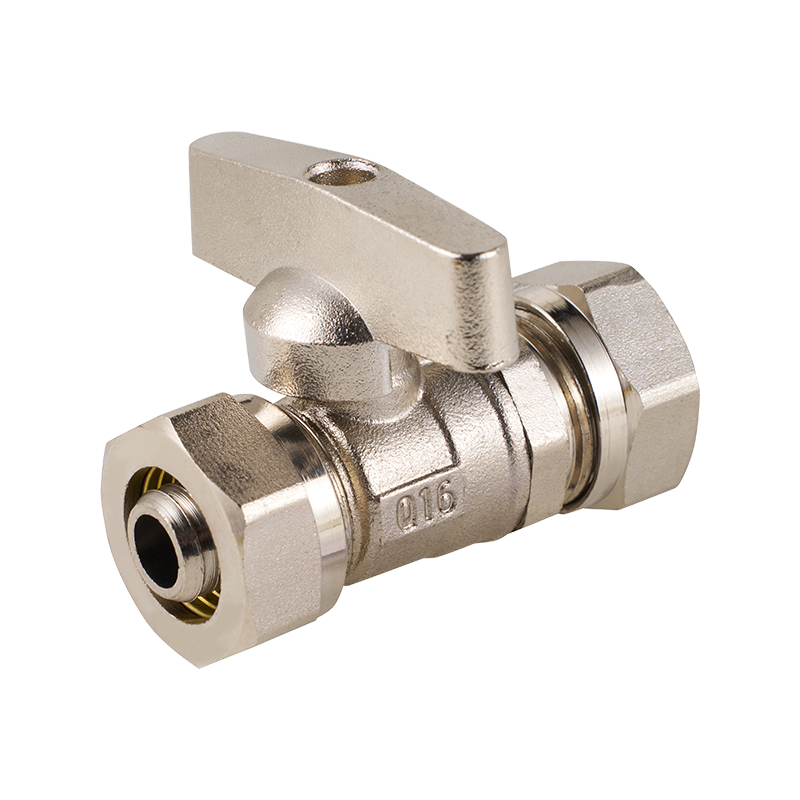
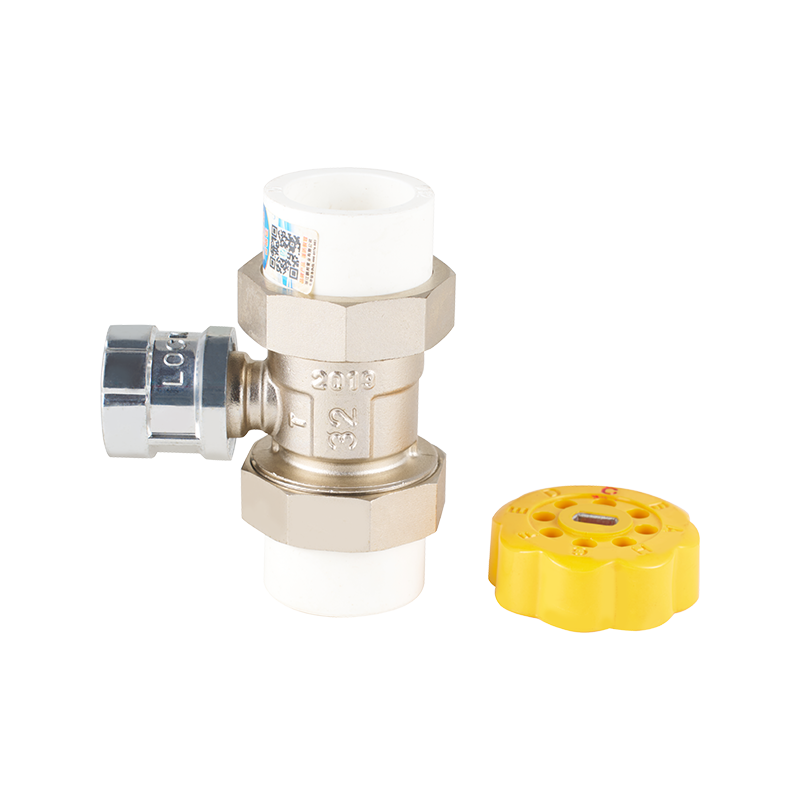
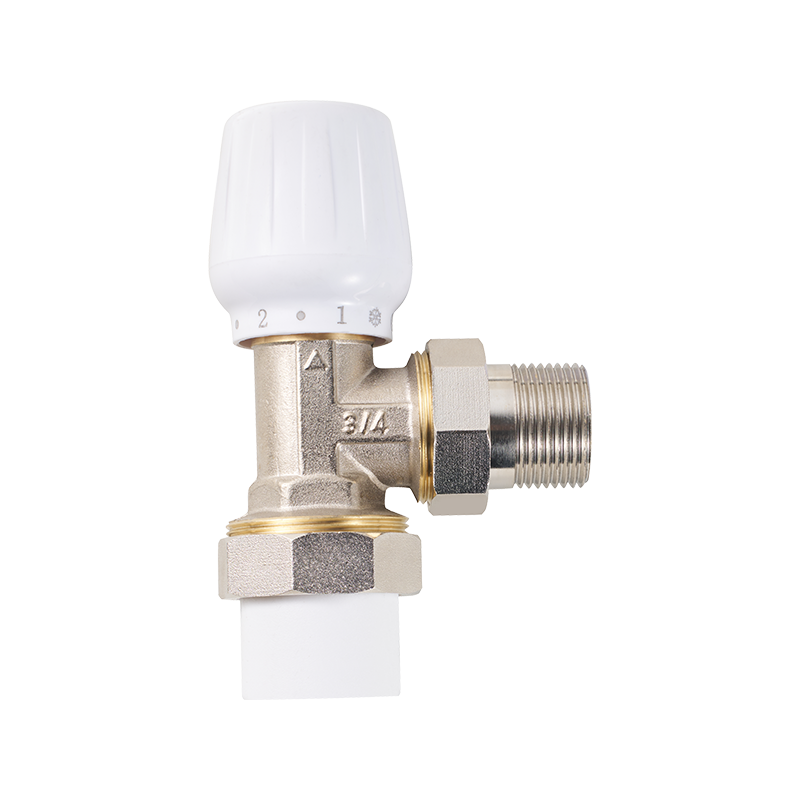
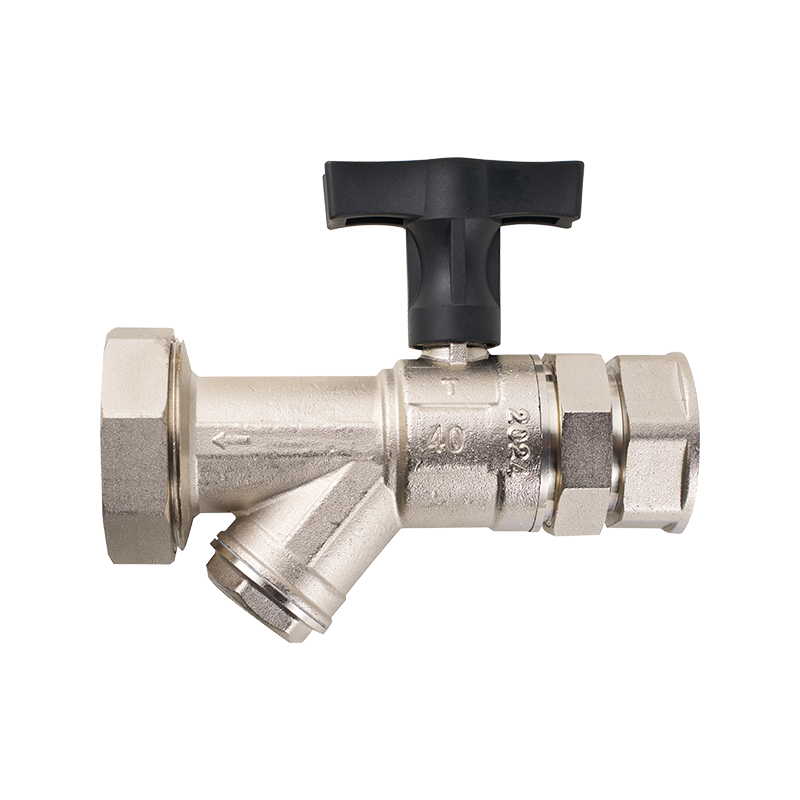
عربىBall Valve Faucet and PPR Ball Valve Factory production processes are closely connected to how modern piping systems manage leakage control and long-term flow stability. Ball Valve Faucet structures are widely used in household and industrial water control, while manufacturing practices in a PPR Ball Valve Factory focus on improving sealing performance through material control, structural precision, and assembly consistency.
Understanding Leak Risks in Water Flow Control Systems
Leakage in piping systems is often not caused by a single factor but by a combination of material aging, uneven sealing surfaces, and pressure fluctuation during operation. In Ball Valve Faucet applications, small deviations in ball alignment or seat contact can gradually create seepage points. Similarly, in PPR-based valve systems, thermal expansion and contraction may affect joint tightness over time if the material composition or injection process is not carefully managed.
Another factor is installation variability. Even when components are well produced, inconsistent torque during assembly or improper pipe fusion can introduce micro gaps. In long-term use environments such as residential plumbing or light industrial water distribution, these small issues may accumulate and become noticeable leakage paths. This is why manufacturing consistency and structural design coordination are closely monitored in a PPR Ball Valve Factory setting.
Structural and Manufacturing Adjustments in Valve Production
To address leakage-related concerns, production adjustments in valve manufacturing tend to focus on geometry control, material behavior, and sealing interface design. Within a PPR Ball Valve Factory, attention is given to both injection molding precision and post-processing accuracy. Ball Valve Faucet structures often rely on smooth spherical surfaces that align with PTFE or similar sealing rings, and even minor surface roughness differences can influence long-term sealing stability.
Key production considerations include:
- Controlled cooling rate during molding to reduce internal stress in PPR materials
- Tight tolerance management for ball and seat alignment components
- Surface finishing processes to maintain uniform contact zones
- Pressure testing procedures before shipment
- Standardized fusion interface dimensions for pipe compatibility
These elements work together to reduce variation between production batches and improve assembly consistency during installation.
Where Ball Valve Systems Are Commonly Applied
Ball Valve Faucet systems are used across a wide range of water control environments, from domestic kitchens and bathrooms to small-scale irrigation networks and building water supply lines. Their compact structure and straightforward rotational control make them suitable for applications where frequent on/off regulation is needed.
In residential environments, these valves are often installed under sinks, behind toilets, or within water heater connections. In agricultural setups, they can be found in drip irrigation lines where segmented flow control is required. PPR-based valve systems produced in a PPR Ball Valve Factory are also widely integrated into building plumbing networks due to their compatibility with hot and cold water systems and their stable connection with PPR piping.
In commercial installations such as small workshops or public facilities, these valves support distributed water lines where maintenance access is limited. Their modular design allows replacement without extensive system disruption.
Production Quality Observations and Field Data
Manufacturing data collected from valve production lines often focuses on sealing integrity tests, pressure resistance levels, and long-term cycle performance. In a controlled testing environment, Ball Valve Faucet components are typically evaluated under repeated opening and closing cycles to observe wear patterns on sealing interfaces.
The following table summarizes common inspection indicators used during production evaluation:
|
Test Category |
Focus Area |
Observation Purpose |
|
Pressure Holding Test |
Internal sealing stability |
Detect slow leakage under steady pressure |
|
Rotation Cycle Test |
Handle and ball movement consistency |
Evaluate mechanical wear over repeated use |
|
Thermal Variation Test |
Material response to temperature |
Assess expansion impact on sealing surfaces |
|
Dimensional Inspection |
Component tolerance accuracy |
Ensure assembly compatibility |
|
Water Flow Consistency |
Flow stability during operation |
Identify irregular flow resistance |
Field observations from installed systems indicate that consistent manufacturing tolerances contribute to fewer maintenance reports related to dripping or joint seepage. However, environmental factors such as water quality and installation practices still play a role in overall system behavior.
Broader Role of Valve Design in Plumbing Systems
The development direction of valve systems is closely tied to the need for stable water control with reduced maintenance requirements. In this context, PPR Ball Valve Factory processes contribute to standardizing product dimensions and improving compatibility across different piping systems. Ball Valve Faucet designs, on the other hand, continue to evolve in response to installation space limitations and user handling preferences.
One noticeable trend is the increasing emphasis on modular connection design, allowing valves to be replaced or serviced without disturbing adjacent pipeline sections. Another is the refinement of sealing materials, where attention is given to long-term elasticity retention under varying temperature and pressure conditions.
These developments reflect a gradual shift toward more predictable performance behavior rather than short-term output improvement.


 CONTACT US