

 English
 русский
 Español
 عربى
عربىInstalling plumbing systems in residential projects often requires components that allow both straightforward assembly and future maintenance. PPR Ball Valve and Double Union Ball Valve are commonly used in these scenarios. While Double Union Ball Valves provide accessible connections for sections requiring maintenance, PPR Ball Valves are appreciated for their lightweight design, corrosion resistance, and ease of installation in water supply lines.
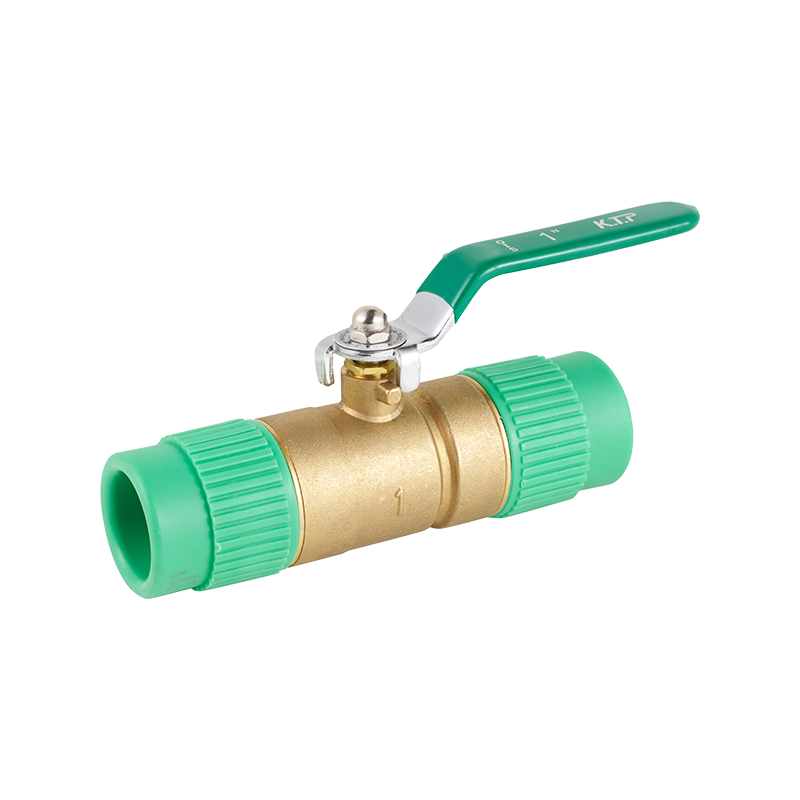
Design Features That Support Easy Installation
PPR Ball Valves are made from Polypropylene Random Copolymer, which offers resistance to corrosion while keeping the valve lightweight. This makes them easier to handle compared to metal alternatives, especially in multi-story or compact installations. The valves include simple lever handles for open/close operation and allow fusion connections that create a seamless bond with PPR piping. These characteristics reduce the need for extensive joint sealing or complex fitting, making installation faster and more precise.
|
Feature |
Installation Advantage |
Practical Scenario |
|
Compact Size |
Fits in tight spaces without pipe bending |
Under sinks, behind cabinets, or utility closets |
|
Lightweight Handle |
Easy to operate and adjust during installation |
Multi-level or hard-to-reach lines |
|
Quick-Fit Joints |
Reduces alignment issues and installation time |
Branch lines connecting to main water supply |
|
Compatibility |
Works with both hot and cold water PPR lines |
Residential kitchens and bathrooms |
|
Modular Sections |
Can be combined with metal valves for flexible layouts |
Water heater connections, filtration units, or pump loops |
Role of Double Union Ball Valve in Residential Plumbing
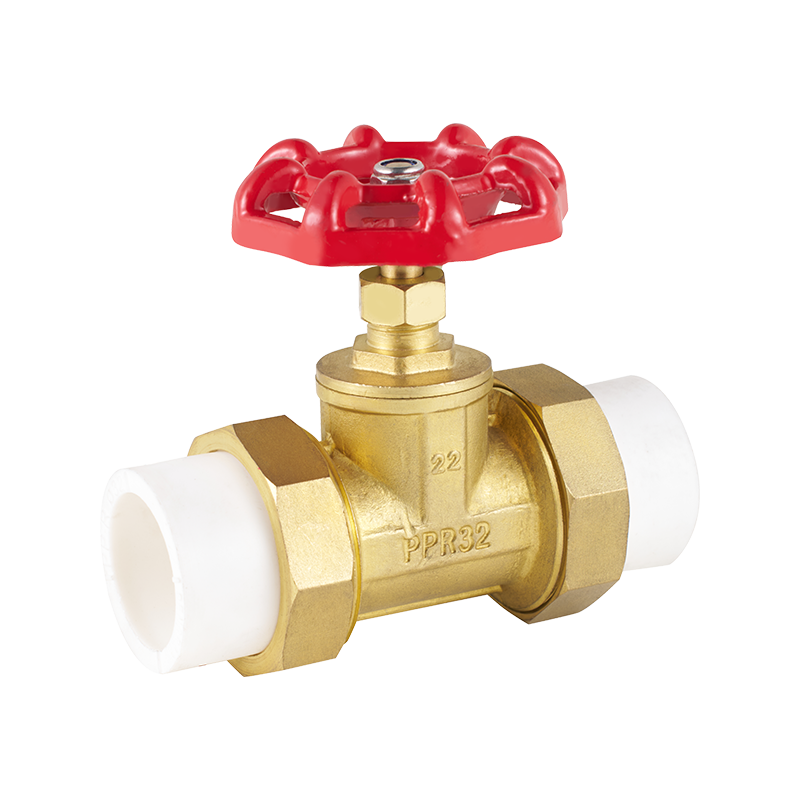
Double Union Ball Valves complement PPR Ball Valves by providing sections of piping that are easier to remove and service. Union connections on both ends allow sections of a pipeline to be disconnected without dismantling the entire system. This is particularly useful near water heaters, pumps, or filtration units where future maintenance may be needed. The valves are usually made from metal alloys and include lever handles that clearly indicate the open or closed position, simplifying operational control and inspection.
Installation Practices for Efficiency
Ensuring that valves are installed in accessible and functional positions is key to reducing future maintenance time. Practical suggestions include:
- Align valves so that both lever handles and union connections are easily reachable
- Avoid bending pipes or placing valves in confined spaces where access is limited
- Label valves for quick identification in multi-line systems
- Test valves under normal water pressure before commissioning the system
Following these steps can prevent complications during inspections or repairs while allowing PPR Ball Valves to be installed quickly and efficiently.
Maintenance Considerations for Residential Projects
Routine checks and basic servicing can prevent minor issues from affecting water flow. Key maintenance points include:
- Inspecting valve bodies and connections for wear or minor leaks
- Confirming that lever handles operate smoothly and fully open or close the valve
- Cleaning internal surfaces if sediment or scale buildup occurs
- Replacing O-rings or seals when they show signs of wear
Double Union Ball Valves allow for local removal of sections when necessary, while PPR Ball Valves remain easy to handle due to their light weight, simplifying routine maintenance tasks.
Practical Applications in Household Networks
In residential plumbing, PPR Ball Valves are commonly used for main and branch lines, including hot and cold water supply, where their corrosion resistance and lightweight design make installation easier. Double Union Ball Valves are typically positioned where accessibility for future maintenance is important, such as near pumps, water heaters, or filtration systems. Using both types strategically allows installers to balance easy handling with long-term maintenance accessibility, supporting efficient water flow and reducing labor requirements for adjustments or repairs.
FAQ
- Are PPR Ball Valves suitable for hot water lines?
Yes, they are compatible with typical domestic hot water temperatures within manufacturer guidelines.
- Can Double Union Ball Valves be removed without shutting down the entire pipeline?
Yes, union connections allow local removal for maintenance while the rest of the system remains operational.
- How often should valves be inspected in a household system?
A simple visual inspection every 6–12 months is usually sufficient to check for leaks or worn seals.
- Can PPR Ball Valves be connected with metal pipes?
Adapters are available that allow PPR valves to connect with certain metal piping systems, but compatibility should be confirmed before installation.
- Do PPR Ball Valves require special tools for installation?
Typically, only fusion welding tools for PPR pipes are needed; no complex hardware is required for the valve itself.

 CONTACT US