

 English
 русский
 Español
 عربى
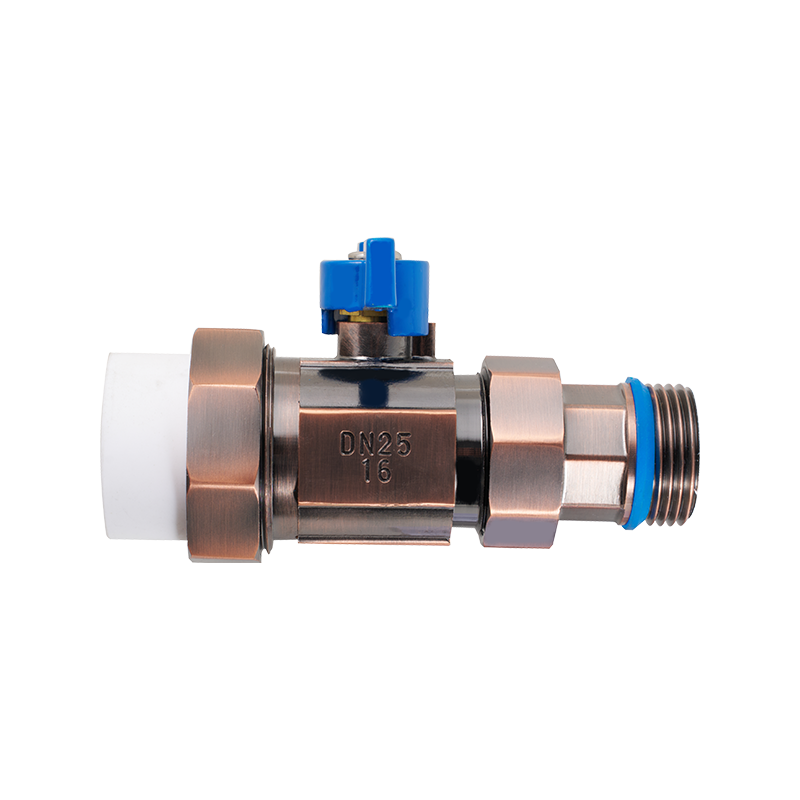
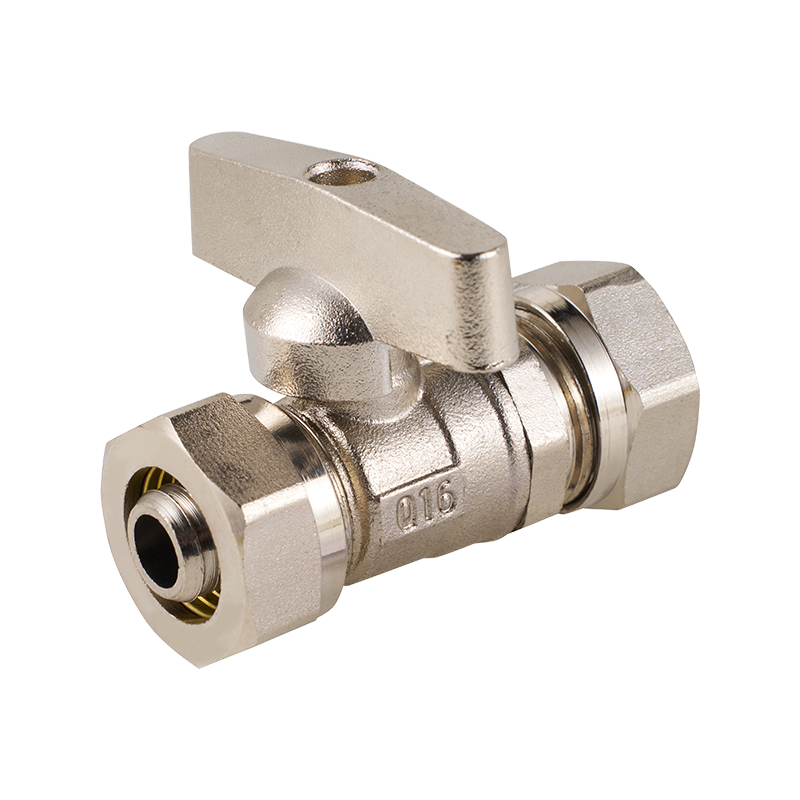
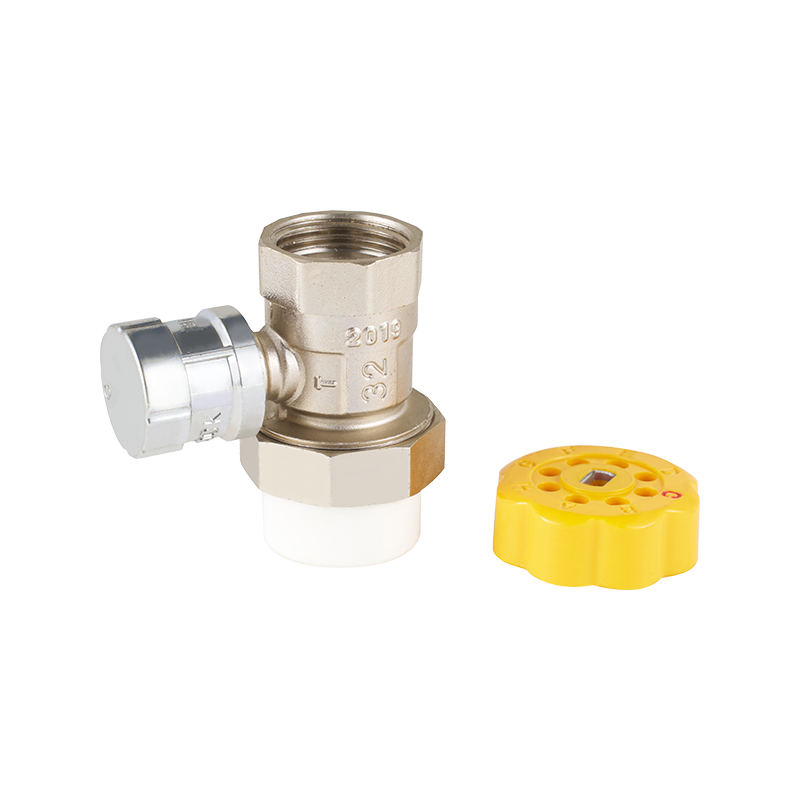
عربىMaintaining industrial piping systems can be challenging when valves and joints are difficult to access. Double Union Ball Valve and PPR Ball Valve are two types of valves frequently used to simplify these tasks. While PPR Ball Valves offer lightweight, corrosion-resistant solutions for water or chemical lines, Double Union Ball Valves are particularly valued for their ease of removal and maintenance in industrial settings, allowing technicians to address localized issues without extensive pipeline disassembly.
Key Design Features of Double Union Ball Valve
Double Union Ball Valves are constructed to provide accessibility and straightforward servicing. The union connections on both ends allow sections of piping to be disconnected with minimal effort, supporting faster inspections and targeted repairs. These valves typically feature metal construction suitable for moderate pressures and temperatures, and lever handles that clearly indicate the open or closed position. Their design reduces the labor and time needed for valve replacement or seal maintenance.
|
Feature |
Practical Benefit |
Industrial Application |
|
Double Union Ends |
Easy disassembly without cutting pipes |
Inline sections near pumps or heat exchangers |
|
Material Options |
Brass, stainless steel, or alloy |
Standard water, chemical, or air pipelines |
|
Lever Handle |
Clear open/close visual indicator |
Automated and manual valve stations |
|
Pressure Range |
10–25 bar |
Medium-pressure industrial pipelines |
|
Maintenance Access |
Replace ball or seals locally |
Filtration units, chemical mixing stations |
Role of PPR Ball Valve in Industrial Networks
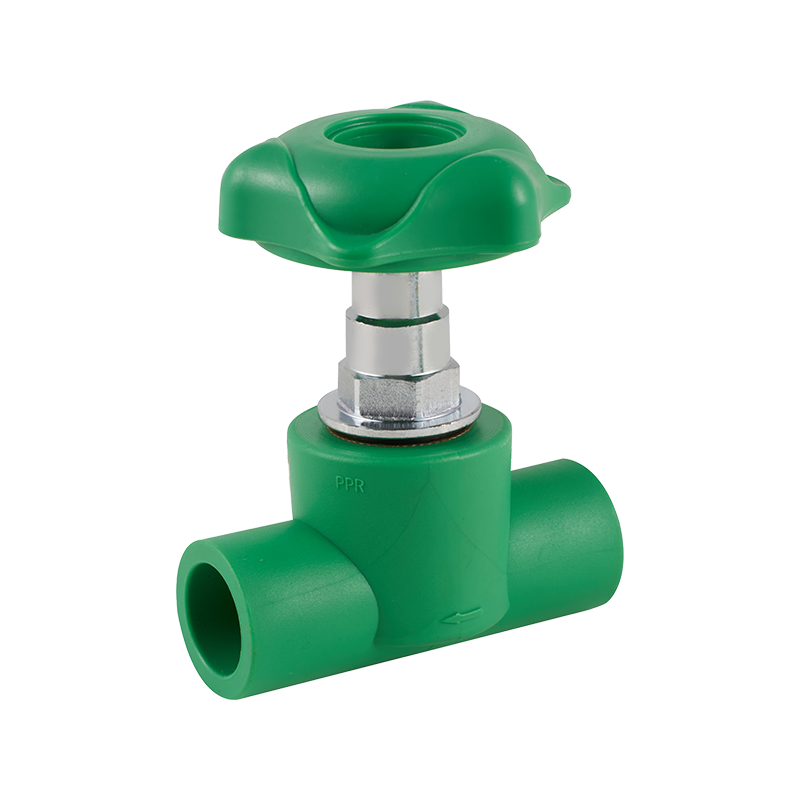
PPR Ball Valves, made from Polypropylene Random Copolymer, are lightweight and resistant to corrosion. They are often installed in sections where weight reduction is preferred or where low-pressure water or chemical flow is common. The smooth internal surface ensures stable flow and limits sediment accumulation. PPR Ball Valves also allow fusion connections with compatible piping, creating joints that require minimal maintenance over time. Combined with Double Union Ball Valves, they offer a balance between lightweight sections and easily serviceable units in more critical pipeline locations.
Installation Guidelines for Maintenance Efficiency
Proper installation is key to ensuring valves remain accessible and functional over time. Some practical considerations include:
- Positioning valves so that union ends and lever handles are easily reachable
- Avoiding excessive stress or bending near valve joints
- Clearly labeling valves for identification in complex networks
- Testing the valve operation under normal pressure before commissioning
Following these steps can reduce downtime when maintenance or repairs are required and make regular inspections more straightforward.
Maintenance Practices in Industrial Environments
Routine inspection and servicing help prevent unexpected flow interruptions or minor leakage issues. Recommended practices include:
- Checking valve bodies and union connections for signs of wear or cracks
- Ensuring lever handles operate smoothly and fully open or close the valve
- Cleaning internal surfaces if sediment or scale develops
- Replacing seals or O-rings when signs of wear are present
Practical Scenarios for Valve Selection
In industrial settings, Double Union Ball Valves are typically installed near pumps, filtration units, or chemical mixers where accessibility for future maintenance is important. PPR Ball Valves are used in lower-pressure lines or where weight reduction is beneficial, such as in water supply branches or auxiliary lines. Strategically placing these valves based on operational requirements and maintenance access can streamline industrial workflow and reduce labor costs during servicing.
FAQ
Q1. Can Double Union Ball Valves handle chemical fluids?
Yes, as long as the material is compatible with the fluid type. Brass and stainless steel options are suitable for many non-corrosive chemicals.
Q2. How often should these valves be inspected?
For many industrial applications, a basic check every 6–12 months is sufficient, focusing on seals, union connections, and lever operation.
Q3. Are PPR Ball Valves suitable for hot water or steam?
PPR valves can manage typical hot water flows within temperature limits recommended by the manufacturer, but they are generally not designed for high-pressure steam lines.
Q4. Can Double Union Ball Valves be replaced without shutting down the entire pipeline?
Yes, one of their main advantages is allowing local removal for maintenance while the rest of the system remains operational.
Q5. How do I determine whether to use PPR or metal Double Union valves?
Consider the pressure, temperature, and maintenance access requirements. PPR is preferred for lightweight, corrosion-resistant applications, while metal valves are suited for higher-pressure or service-intensive areas.



 CONTACT US