

 English
 русский
 Español
 عربى
عربىManaging water distribution in household plumbing often involves careful consideration of the components that regulate flow and allow for maintenance. Both PPR Ball Valve and Double Union Ball Valve are widely used to address these practical needs. Each provides distinct advantages in terms of installation, durability, and accessibility, which can simplify routine plumbing tasks and help maintain consistent water delivery throughout the network.
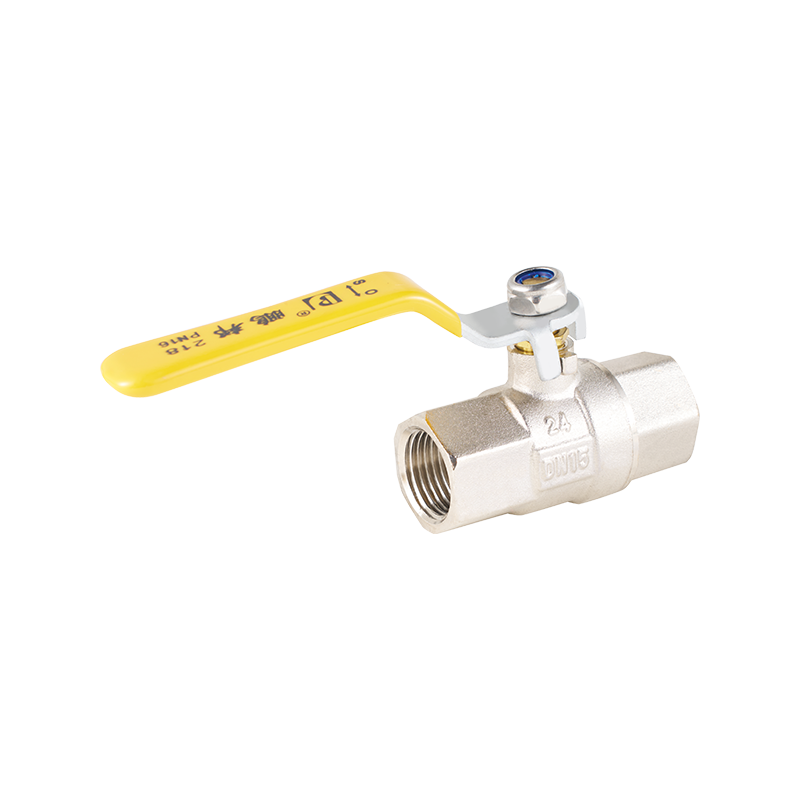
Characteristics of PPR Ball Valve
PPR Ball Valves are constructed from Polypropylene Random Copolymer, offering resistance to corrosion and chemical interaction common in household water systems. These valves are lightweight, making them easier to install compared to metal alternatives. Key aspects include:
- Simple lever operation for quick open/close control
- Smooth internal surface to maintain consistent flow
- Fusion connection with PPR pipes, creating a seamless joint
- Compatibility with standard residential water pressures
PPR Ball Valves are commonly used in hot and cold water lines, ensuring that water reaches fixtures efficiently while reducing the likelihood of leaks at joints. Their design also provides a clear visual indication of whether a valve is open or closed, supporting household maintenance.
How Double Union Ball Valve Supports Practical Plumbing
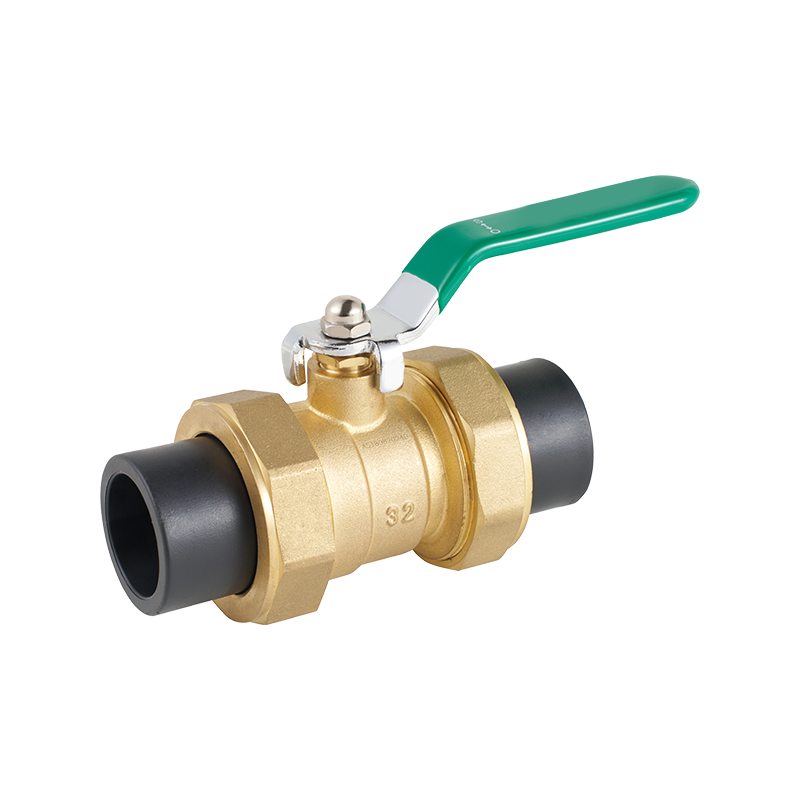
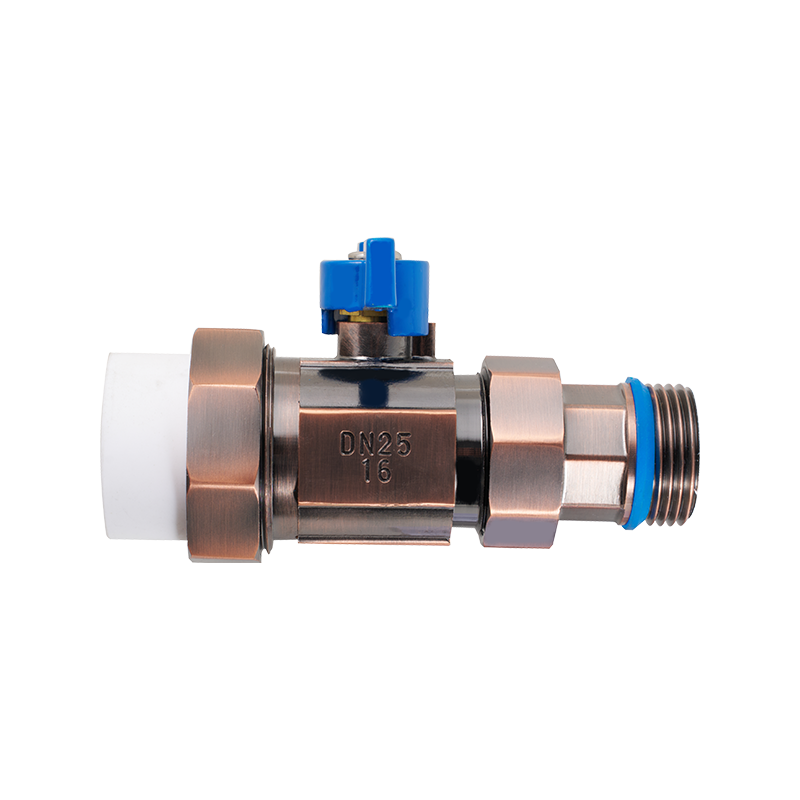
Double Union Ball Valves feature removable connections on both ends, allowing sections of piping to be disconnected without dismantling the entire system. This design simplifies maintenance and allows targeted repairs. The union ends can be threaded or flanged, supporting flexible installation in tight spaces. These valves are often selected for areas where regular inspection or component replacement may be necessary, such as near pumps, filters, or water heaters.
|
Feature |
Practical Benefit |
Common Household Scenario |
|
Union Connection |
Quick valve removal without cutting pipes |
Near water heaters or filtration units where occasional servicing is needed |
|
Material Options |
Choice of metal or PPR for different sections |
PPR for lightweight water lines, brass for high-stress areas |
|
Lever Operation |
Visual open/close indication and simple control |
Kitchen, bathroom, or utility room valves |
|
Flow Consistency |
Smooth internal ball reduces turbulence |
Hot/cold water distribution to faucets and showers |
|
Maintenance Access |
Allows seal or ball replacement without system shutdown |
Pump stations or inline filters that need periodic checks |
Installation Guidelines for Household Networks
Proper installation helps avoid issues such as leakage, joint stress, or flow inconsistency. Some practical steps include:
- Align valves to ensure easy handle access
- Avoid bending pipes near valve connections
- Label valves for quick identification
- Test the system under normal pressure before regular use
Following these guidelines ensures the valves remain functional over time while supporting routine household maintenance.
Maintenance and Inspection Tips
Routine checks can reduce interruptions in water flow and extend the service life of valves. Key points include:
- Inspecting the body and seals for wear or cracks
- Verifying the lever moves freely and fully opens/closes
- Cleaning the internal components if sediment builds up
- Replacing seals or O-rings when necessary
Double Union Ball Valves allow for component replacement without removing large sections of pipe, while PPR Ball Valves require minimal handling due to their lightweight construction.
FAQ
- Can PPR Ball Valves handle hot water systems?
Yes, PPR Ball Valves can handle typical domestic hot water temperatures. It is recommended to follow the manufacturer’s specifications regarding temperature limits.
- How often should Double Union Ball Valves be checked?
A basic inspection every 6–12 months is usually sufficient to ensure seals and joints are in good condition.
- Are PPR Ball Valves compatible with other types of piping?
They are primarily designed for PPR piping systems, but adapters can connect them with other plastic or metal pipes if needed.
- What maintenance is required for these valves?
Regular inspection of seals, verifying lever movement, and cleaning if sediment is present are generally enough.
- Can these valves manage water with moderate mineral content?
Yes, both valve types can handle standard household water with moderate mineral levels, though periodic flushing may reduce sediment accumulation.
- Are union connections standardized across different brands?
Many Double Union designs follow common threading or flange standards, but confirming size and connection type is recommended before installation.

 CONTACT US