

 English
 русский
 Español
 عربى
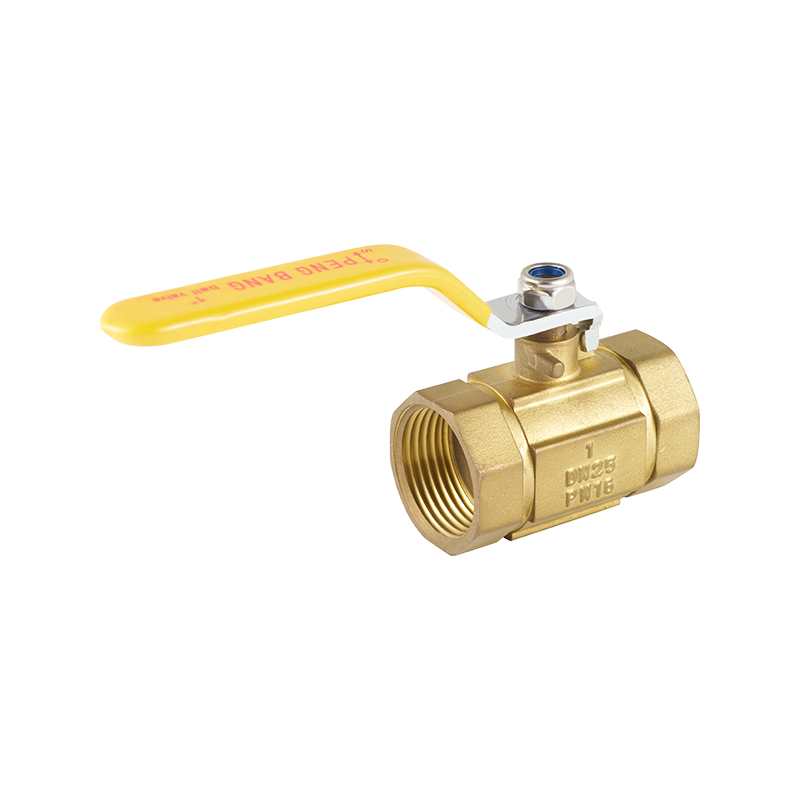
عربىWhen it comes to managing residential or commercial plumbing systems, selecting components that allow for straightforward installation and maintenance is essential. Double Union Ball Valve and PPR Ball Valve are two commonly used solutions that address these practical concerns. While each type has its specific applications, understanding their characteristics can help streamline plumbing tasks and reduce unnecessary downtime.
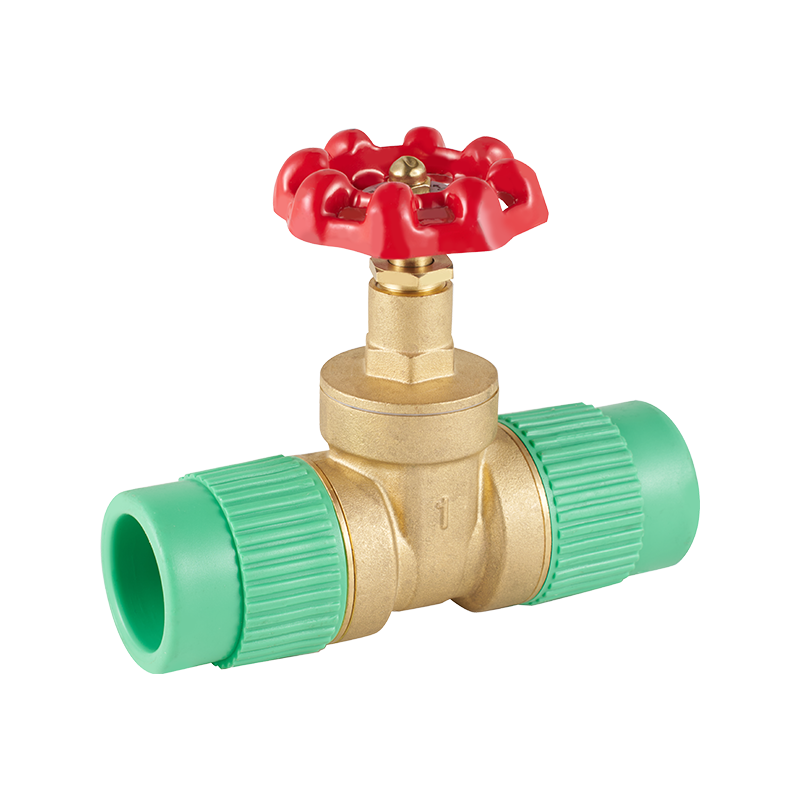
Key Features of Double Union Ball Valve
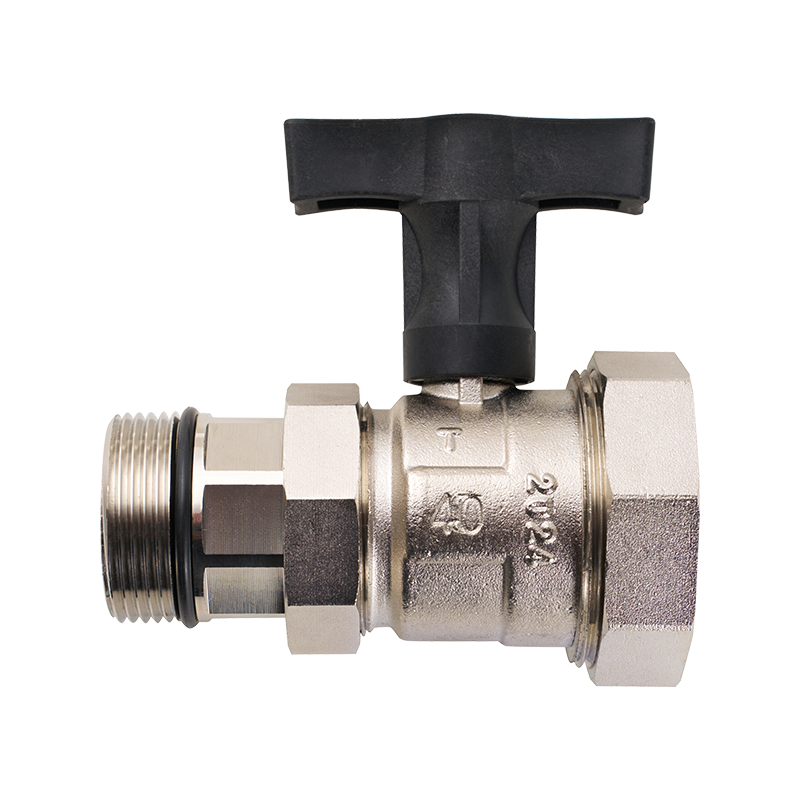
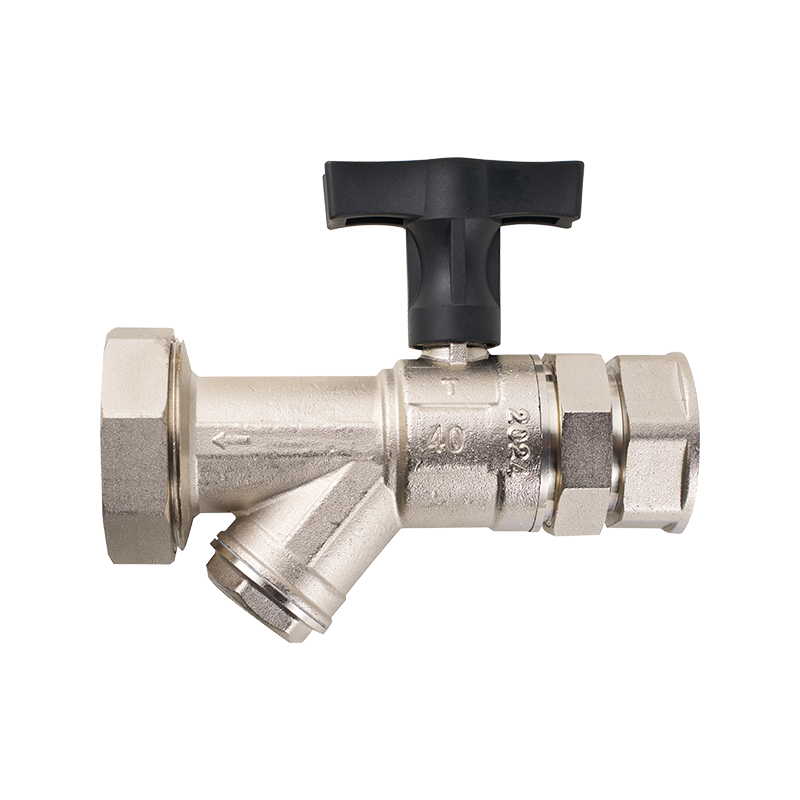
Double Union Ball Valves are designed to simplify installation and maintenance without dismantling entire pipeline sections. Their union connections on both ends allow for:
- Easy removal: The valve can be detached from pipelines without extensive pipe cutting or joint disassembly.
- Flexible positioning: Allows valves to be installed in tight or awkward spaces while maintaining access for future servicing.
- Durable construction: Usually made of metal or reinforced alloys, these valves withstand moderate pressure and temperature variations typical in plumbing systems.
|
Feature |
Description |
Typical Application |
|
Union Ends |
Threaded or flanged connections |
Quick maintenance access |
|
Material |
Brass, stainless steel, or alloy |
Residential and commercial pipelines |
|
Handle Operation |
Lever-operated |
Water, gas, or chemical pipelines |
|
Pressure Rating |
10–25 bar |
Standard plumbing systems |
The union design not only reduces labor time during maintenance but also supports incremental upgrades or replacement of specific valve components, such as seals or the ball itself, without affecting the rest of the system.
How PPR Ball Valve Complements System Efficiency
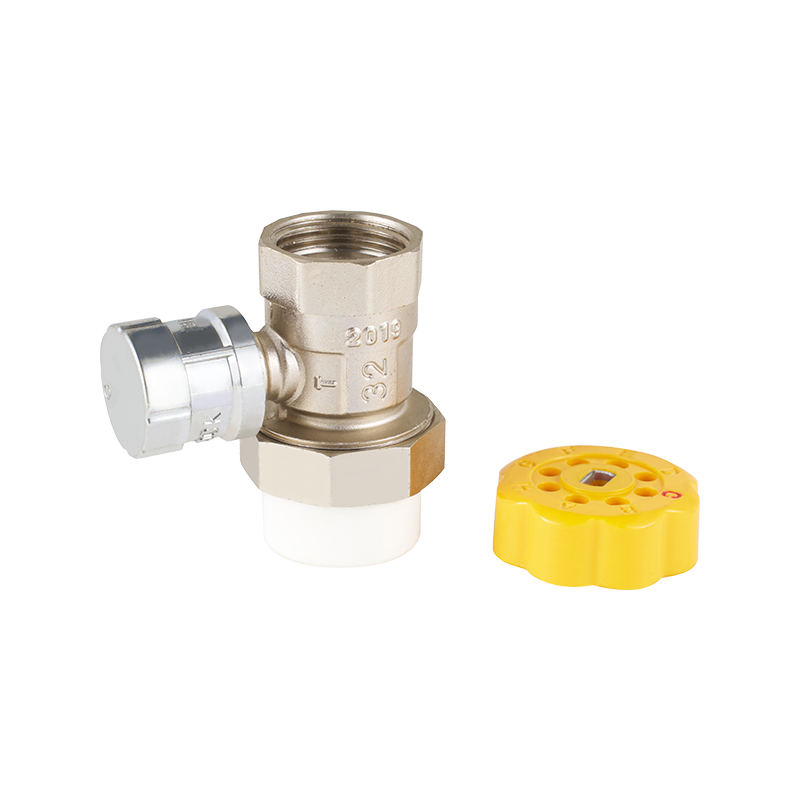
PPR (Polypropylene Random Copolymer) Ball Valves are widely used in water supply networks due to their resistance to corrosion and lightweight construction. Unlike metal valves, PPR valves are easier to handle during installation, particularly in domestic and low-pressure commercial systems. Their smooth internal surface reduces flow turbulence and can help maintain consistent water delivery. These valves also provide visual confirmation of open or closed positions through simple lever indicators, which assists technicians in managing multiple valves in complex networks.
Maintenance Considerations
Routine inspection and basic servicing of ball valves can prevent common issues such as leakage or reduced flow. Key points include:
- Checking the valve body and connections for cracks or wear.
- Ensuring the ball moves freely without excessive resistance.
- Replacing seals or O-rings when signs of wear are observed.
- Flushing the pipeline if sediment accumulation affects valve performance.
While Double Union Ball Valves facilitate quick component replacement, PPR Ball Valves require minimal handling due to their low weight and simplified connection method. Combining these two types in different sections of a plumbing network can offer both accessibility and ease of operation.
Installation Tips for Practical Use
Plumbing professionals often face space constraints or complex pipe layouts. Some practical suggestions include:
- Position valves to allow access to handles and unions.
- Use compatible fittings to avoid stress at joints.
- Clearly label valves for quick identification during maintenance.
- Test valves under system pressure before full operation.
These steps can reduce the time needed for adjustments or repairs while maintaining functional performance in everyday water or heating systems.
Common Scenarios for Double Union and PPR Valves
In residential settings, PPR Ball Valves are frequently applied in hot and cold water supply lines where corrosion resistance is preferred. Double Union Ball Valves, on the other hand, are often used in areas where future maintenance or replacement is anticipated, such as near water heaters, pumps, or filtration systems. Using both types strategically allows users to balance installation ease, maintenance access, and long-term usability.
FAQ
- Can Double Union Ball Valves be used in high-temperature pipelines?
Yes, depending on the material, they can handle moderate temperatures typically found in domestic heating systems. Metal versions perform better in higher-temperature environments compared to plastic alternatives.
- How do PPR Ball Valves differ from PVC valves?
PPR valves offer improved thermal resistance and dimensional stability. They are less prone to deformation at higher temperatures and are easier to fuse with PPR piping.
- What maintenance is required for a Double Union Ball Valve?
Regular inspection of seals, cleaning of the ball and body, and ensuring the lever moves freely are usually sufficient for routine maintenance.
- Can these valves handle both water and non-corrosive chemicals?
Yes, both Double Union and PPR Ball Valves can manage standard water lines and non-corrosive liquids. The material selection should match the specific fluid and temperature requirements.

 CONTACT US