

 English
 русский
 Español
 عربى
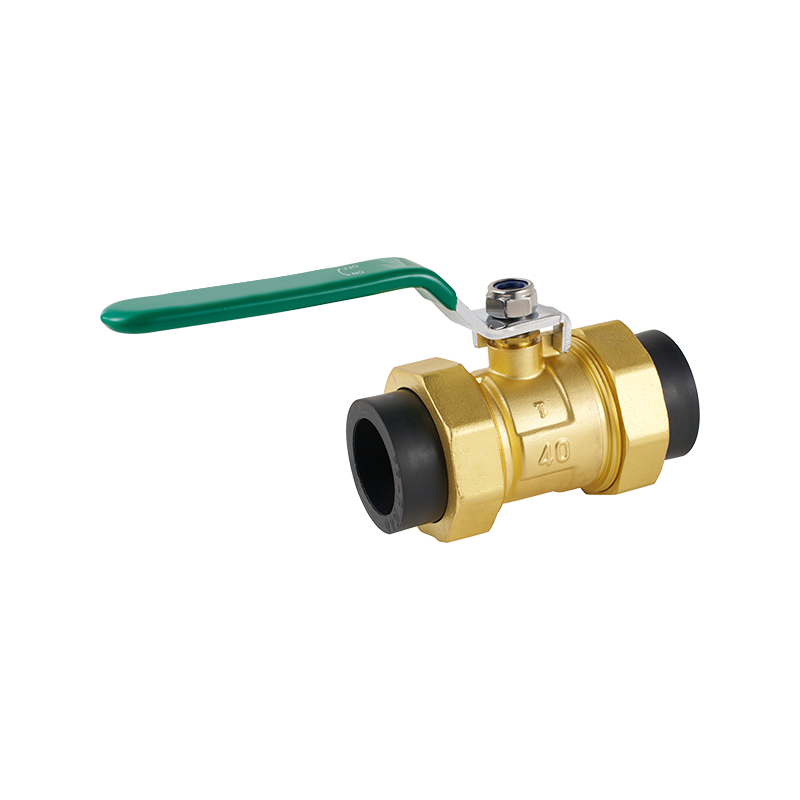
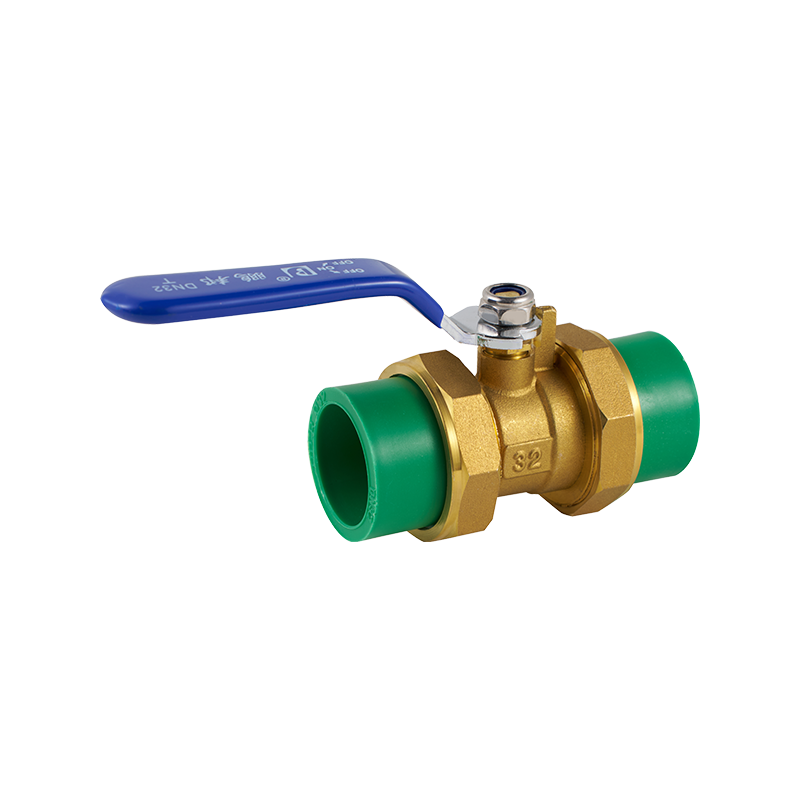
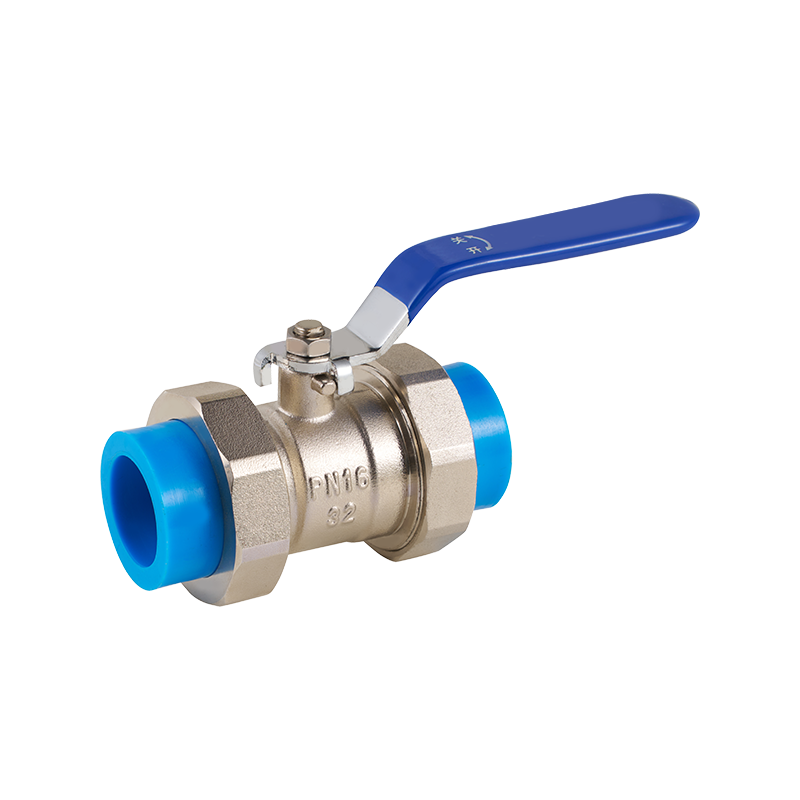
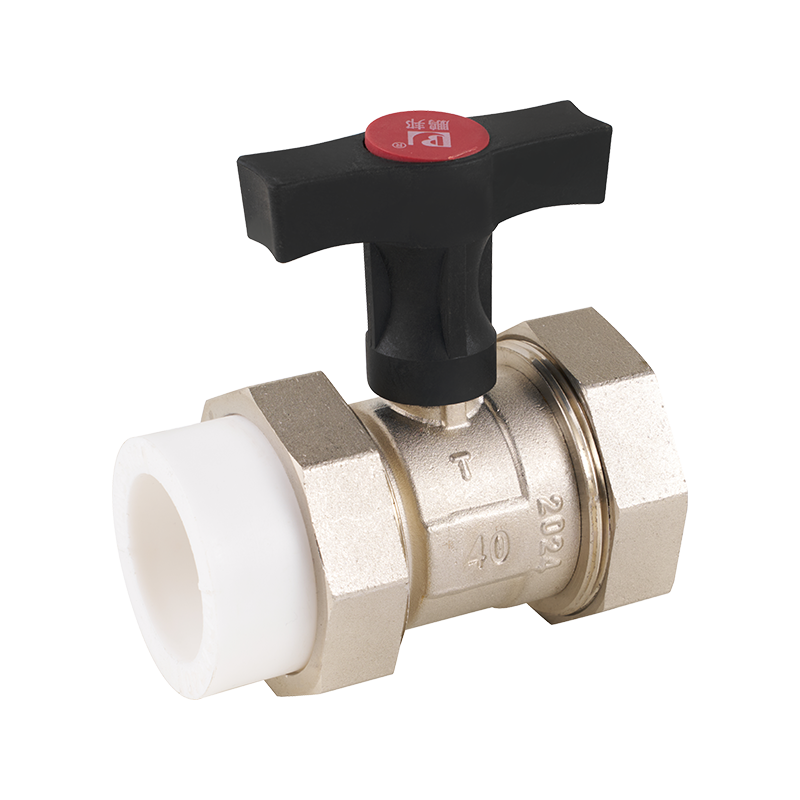
عربىGlobal demand in plumbing, irrigation, and industrial fluid systems is shifting toward more efficient, durable, and low-maintenance components. Buyers are no longer focusing only on basic valve functions; instead, they are evaluating long-term sealing stability, flow efficiency, and system-level reliability. In this context, PPR Ball Valve Factory sourcing has become a key consideration for procurement teams that require consistent quality for large-scale water supply, building systems, and agricultural pipeline projects.

Rising Demand Driven by Infrastructure and Water Management Projects
Recent global infrastructure development and water conservation initiatives are pushing demand for more reliable pipeline control components. From residential plumbing systems to municipal water networks, stable flow regulation is becoming essential.
Key procurement expectations include:
- Long service life under continuous water pressure
- Leak-proof sealing performance in varying temperatures
- Compatibility with modern PPR piping systems
- Easy installation and low maintenance requirements
These needs are shaping how engineers evaluate valve suppliers and system designs.
Common Performance Issues in Low-Quality Valve Systems
Despite strong market growth, many buyers still face operational issues when sourcing from inconsistent manufacturers. These problems often appear during long-term system operation and can affect overall pipeline safety.
Typical challenges include:
- Seal deformation under thermal expansion
- Water leakage at connection joints
- Poor chemical resistance in treated water systems
- Reduced flow efficiency due to internal friction
- Short lifecycle in high-frequency usage environments
These issues increase maintenance costs and reduce system reliability.
Why Material Stability Is Now a Core Procurement Standard
Material selection plays a central role in determining valve performance, especially in pressurized water systems. Buyers are increasingly focusing on long-term durability rather than short-term cost advantages.
Key material requirements include:
- High-quality PPR raw material with thermal stability
- Corrosion-resistant internal structure
- Smooth inner flow channels for reduced resistance
- Reinforced sealing components for pressure control
These factors directly influence system safety and operational efficiency.
Growing Importance of Integrated Filtration in Water Systems
Water quality control has become a major concern in both residential and industrial pipeline systems. As a result, filtration-integrated valves are gaining attention in procurement decisions.
Key functional expectations include:
- Prevention of debris entering pipeline systems
- Protection of downstream pumps and appliances
- Stable flow regulation combined with filtration efficiency
- Easy cleaning and maintenance structure
This integration reduces system downtime and improves long-term operational stability.
Manufacturing Consistency and OEM Supply Capability
For international buyers, supplier reliability depends heavily on production consistency and engineering control. Large-scale projects require uniform product quality across all batches.
Key evaluation factors include:
- Stable injection molding precision for valve bodies
- Strict sealing performance testing procedures
- Standardized pressure resistance inspection
- OEM/ODM customization capability for project-based needs
Manufacturers with strong process control systems are better positioned for long-term industrial partnerships.
Expansion of Application Scenarios Across Industries
Pipeline control systems are now used in a wider range of environments beyond traditional plumbing installations. This expansion is driven by infrastructure modernization and water efficiency initiatives.
Common application areas include:
- Residential water supply systems
- Agricultural irrigation networks
- Commercial building plumbing systems
- Industrial fluid distribution lines
This diversification continues to increase global demand for reliable valve solutions.
Future Outlook in PPR Pipeline System Manufacturing
As global water infrastructure continues to modernize, demand for efficient, durable, and multifunctional pipeline components will continue to grow. Buyers are increasingly prioritizing system stability, material reliability, and integrated functionality.
In this evolving market environment, Filter Ball Valve solutions will remain an important part of modern water system engineering, supporting improved flow control, enhanced filtration performance, and long-term pipeline reliability across global applications.


 CONTACT US