

 English
 русский
 Español
 عربى
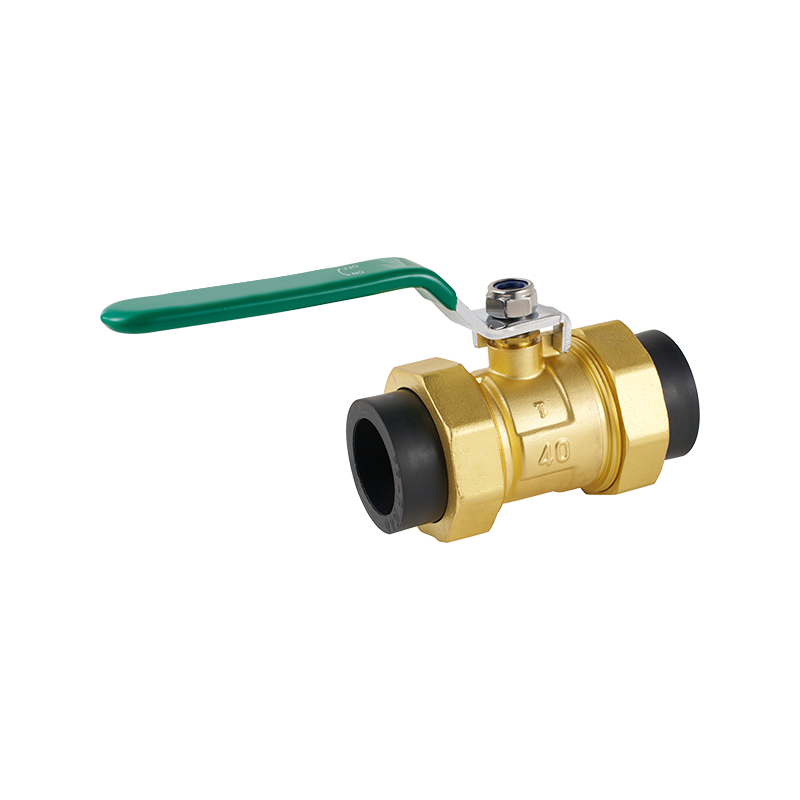
عربىFor distributors, contractors, and project buyers, reducing installation complexity has become a major purchasing priority. Instead of sourcing separate shut-off valves and filters, many professionals are now looking for integrated solutions that simplify procurement, installation, and maintenance. This trend is driving growing interest in products from a PPR Ball Valve Factory that can provide reliable flow control while incorporating filtration functions. As water quality requirements become stricter in residential, commercial, and light industrial projects, integrated valve solutions are attracting increasing attention.

The Hidden Cost of Multi-Component Installations
Many plumbing systems still rely on separate ball valves and inline filters. While functional, this approach creates additional connection points, increases installation time, and requires more inventory management.
For contractors working on apartment buildings, schools, hotels, or municipal water systems, every extra fitting adds labor requirements and potential leak risks. Buyers are increasingly searching for products that reduce component counts while maintaining system performance.
Integrated filtration valves help streamline installations by combining isolation and filtration into a single assembly, making them especially attractive for high-volume construction projects where efficiency matters.
Why Water Quality Protection Is Becoming a Standard Requirement
Water systems today face greater challenges than ever before. Sediment, rust particles, sand, and pipeline debris can affect downstream equipment performance and shorten service life.
Common applications include:
- Residential cold and hot water distribution systems
- Commercial building plumbing networks
- Irrigation systems
- Water heater protection systems
- HVAC circulation pipelines
- Light industrial water treatment equipment
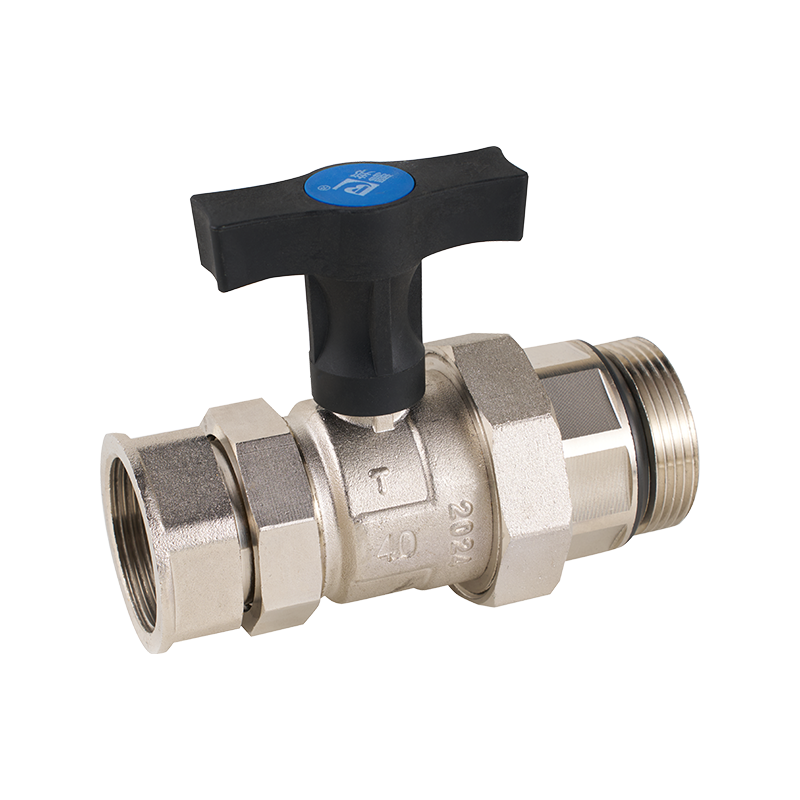
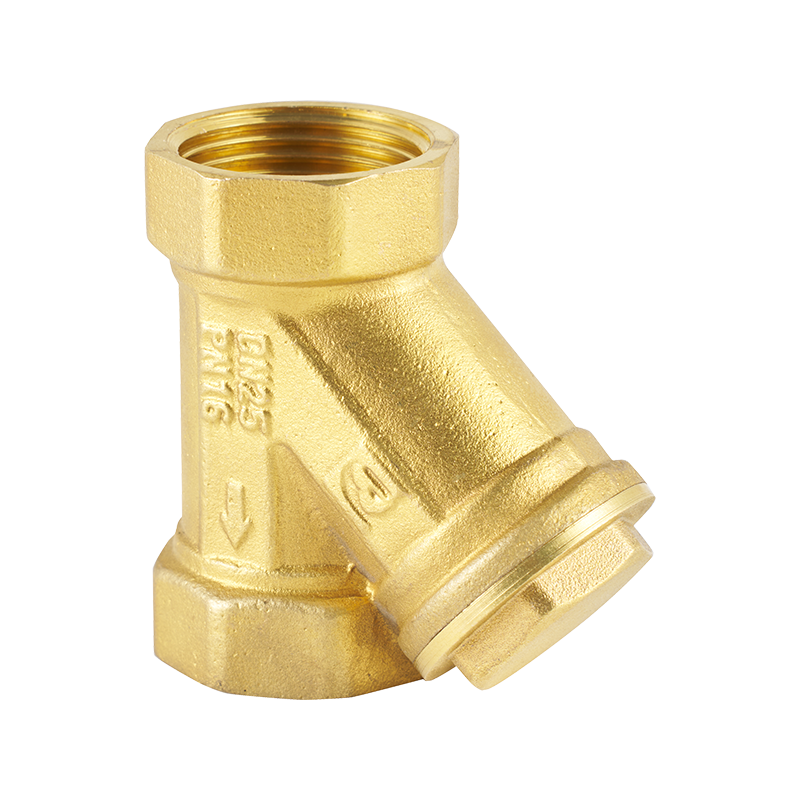
In these environments, a Filter Ball Valve can help prevent unwanted particles from reaching sensitive components while allowing convenient shut-off functionality when maintenance is required.
This dual-purpose design is becoming increasingly valuable for facility managers seeking practical ways to reduce maintenance interventions.
Faster Maintenance Means Lower Operating Costs
One of the biggest concerns among facility operators is downtime during maintenance.
Traditional filtration systems often require technicians to isolate multiple components before cleaning or replacing filter elements. This process can consume significant labor hours, particularly in larger facilities.
Integrated filtration valves offer several practical advantages:
- Maintenance Benefits
- Quick system isolation
- Easier filter cleaning access
- Reduced replacement parts inventory
- Fewer connection points
- Simplified inspection procedures
For property management companies and commercial building operators, these advantages can contribute to smoother maintenance schedules and improved operational efficiency.
Material Compatibility Matters More Than Price Alone
Recent discussions across engineering forums and procurement communities show that buyers are paying closer attention to material compatibility rather than focusing exclusively on purchase price.
PPR-based valve systems are widely used because they offer:
- Corrosion resistance
- Suitability for potable water systems
- Lightweight handling
- Compatibility with modern piping networks
- Long-term durability under appropriate operating conditions
Professional buyers increasingly evaluate how valves integrate with the overall piping system rather than comparing products solely on initial cost.
This shift is encouraging project developers to seek long-term value and reliability during supplier selection.
What Procurement Teams Ask Before Placing Orders
As a manufacturer, we notice that purchasing departments now ask more technical questions than they did several years ago.
Typical evaluation criteria include:
- Product Performance
- Operating pressure range
- Temperature suitability
- Flow efficiency
- Filtration effectiveness
- Manufacturing Capability
- Consistent production quality
- Traceable quality control procedures
- Custom logo support
- OEM and ODM services
- Packaging customization
- Supply Chain Reliability
- Stable lead times
- Bulk production capacity
- International shipping experience
- Technical support availability
Buyers increasingly prefer suppliers capable of supporting both product quality and long-term business cooperation.
Growing Demand for Integrated Solutions in New Construction
The construction industry continues to prioritize installation efficiency, especially in large-scale residential and commercial developments.
Project planners are looking for products that help reduce:
- Installation complexity
- Material handling requirements
- Warehouse inventory volume
- Future maintenance workloads
Integrated filtration valves align well with these goals, making them increasingly common in specification discussions during the planning stage of new developments.
For distributors, offering these products can also create opportunities to provide value-added solutions rather than competing solely on price.
Choosing the Right Manufacturing Partner
Selecting the right supplier involves more than comparing catalogs. Buyers should evaluate production consistency, material quality, testing procedures, and customization capabilities.
An experienced PPR Ball Valve Factory understands the practical challenges faced by installers, contractors, and distributors. Whether the application involves residential plumbing, commercial buildings, or water treatment systems, a well-designed Filter Ball Valve can help simplify installation, improve maintenance efficiency, and support reliable long-term system performance. As procurement priorities continue shifting toward integrated solutions, manufacturers that focus on quality, customization, and technical support will remain strong partners for global buyers.


 CONTACT US