

 English
 русский
 Español
 عربى
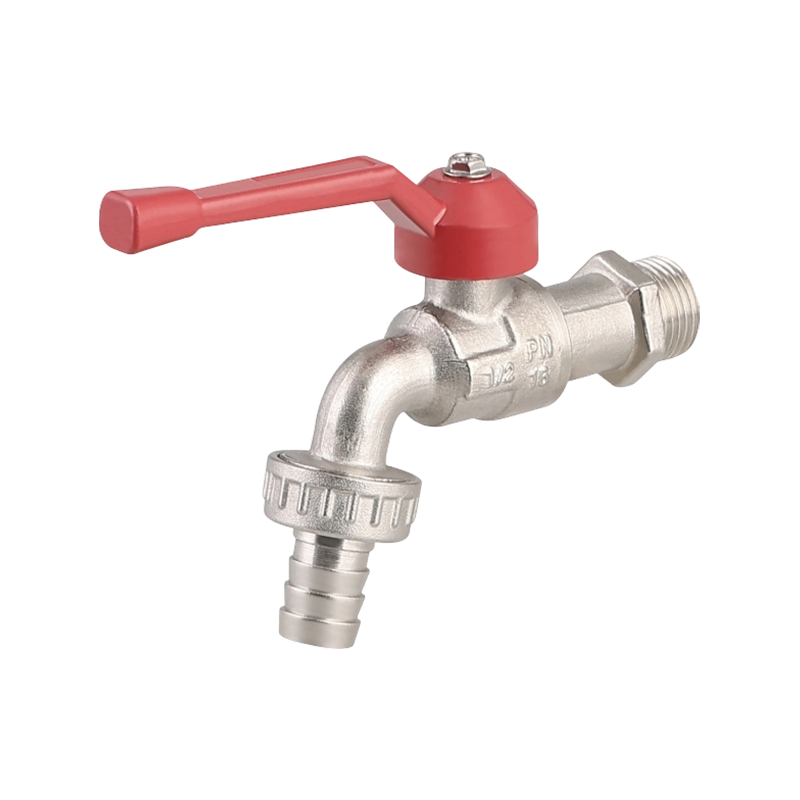
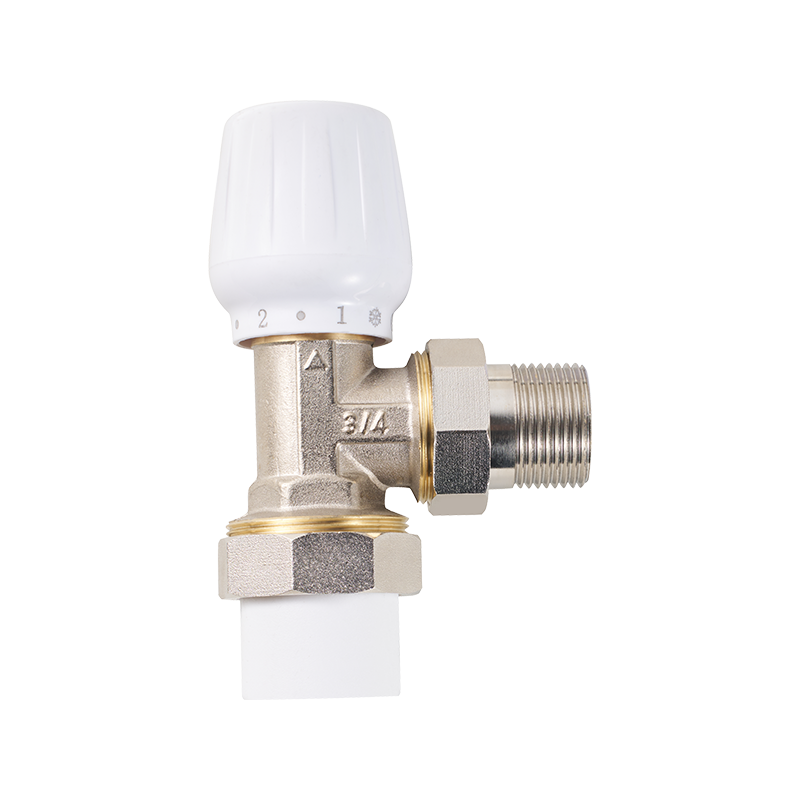
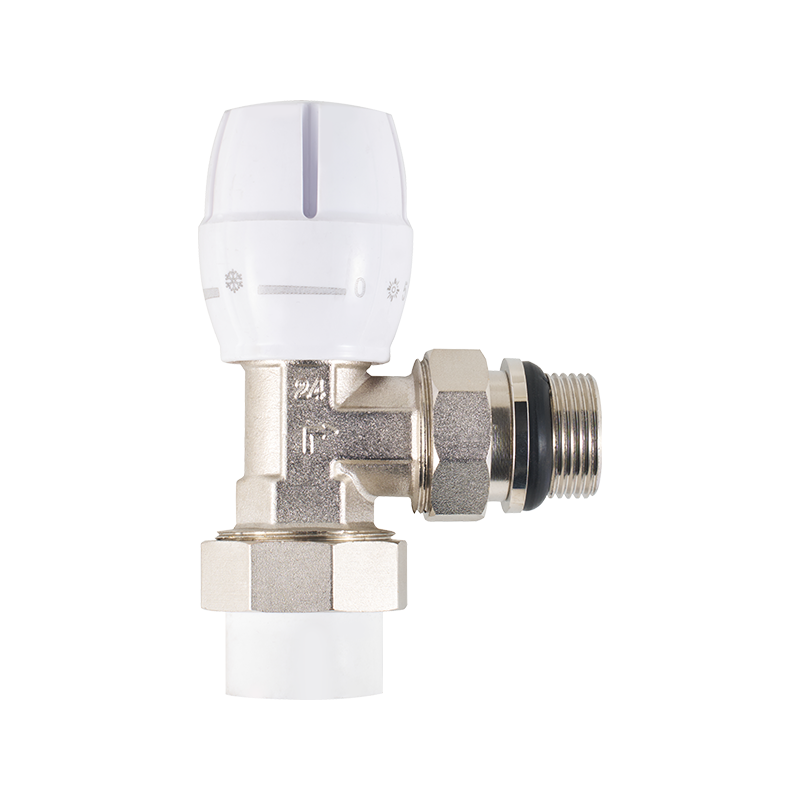
عربىBall Valve Faucet and PPR Ball Valve Factory solutions are increasingly associated with modern household water control systems where stable shut-off performance and piping compatibility matter in daily use. In many residential and light commercial setups, the choice of valve structure influences how water is managed across kitchens, bathrooms, and utility lines without frequent interruptions or complicated handling.
Water Control Needs in Residential Systems
Water distribution inside buildings has become more segmented over the years, especially as homes integrate more appliances and multi-point usage systems. Traditional tap mechanisms often struggle with wear over time or inconsistent sealing when exposed to repeated operation. This creates challenges not only in daily convenience but also in maintenance planning.
Another concern comes from pipe material compatibility. As PPR piping becomes more widely used due to its thermal resistance and corrosion stability, valve systems must align structurally with these pipelines. Improper matching can result in joint stress, leakage risk, or reduced service life of the system. In this context, valve design is not only about opening and closing flow, but also about integration with modern plumbing materials and installation standards.
Structural Shifts in Ball Valve Faucet Design
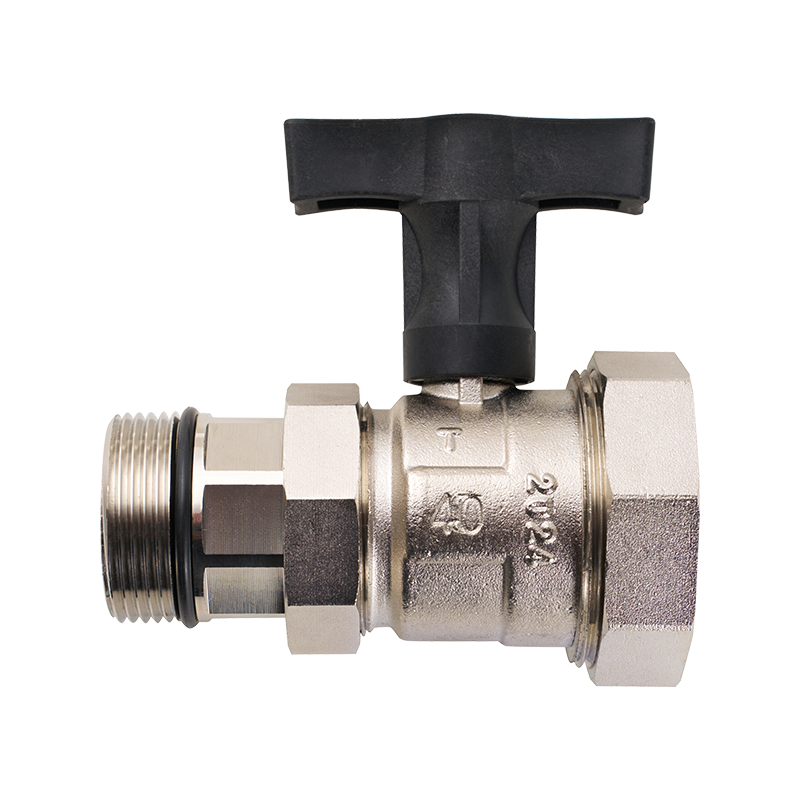
The Ball Valve Faucet structure differs from traditional compression-based taps by using a rotating ball with a central bore to control water flow. When aligned, water passes through; when rotated, the passage is blocked. This simple internal mechanism reduces reliance on multi-layer sealing parts, which are often subject to wear in conventional faucets.
PPR-based manufacturing environments, such as those found in a PPR Ball Valve Factory, focus on adapting this mechanism to thermoplastic piping systems. The connection points are typically designed for heat fusion or threaded transition fittings, ensuring the valve integrates smoothly into pipeline layouts. This reduces the need for multiple adapters in installation.
In practical production terms, attention is given to internal surface smoothness, torque handling of the handle, and pressure tolerance across repeated switching cycles. While the mechanism itself is straightforward, consistency in component precision determines how stable the valve performs over time in varied water pressure conditions.
Common Application Scenarios in Daily Water Systems
Ball valve-based faucet systems are not limited to a single installation type. They are used across multiple points in residential and semi-commercial environments where quick shut-off or flow control is required. In kitchen water lines, they are often installed beneath sinks to allow maintenance without shutting down the entire household water supply. In bathroom systems, they may serve as isolation points for showers or auxiliary washing equipment.
In utility areas, such as laundry rooms or outdoor water connections, the valve’s ability to handle frequent on-off operation becomes particularly relevant. Since PPR pipelines are widely used in concealed installations, integrating a compatible valve system reduces the need for repeated pipe disruption during maintenance work.
Typical use cases include:
- Kitchen under-sink isolation control
- Bathroom branch line regulation
- Washing machine inlet shut-off points
- Outdoor garden water supply control
- Building maintenance segmentation valves
Each scenario focuses on segmenting water flow rather than controlling pressure output, which aligns with the mechanical nature of ball valve operation.
Production Consistency and System Adaptation in Manufacturing
In a PPR Ball Valve Factory environment, production processes usually emphasize mold accuracy and material stability rather than complex assembly structures. Since PPR is a thermoplastic material, temperature control during molding and post-processing directly affects dimensional accuracy. Small deviations can influence how tightly the valve connects with pipeline fittings.
Another important aspect is torque calibration of the valve handle. If resistance is too low, the valve may shift unintentionally under vibration or water hammer conditions. If too high, long-term operation becomes inconvenient, especially in household environments where frequent adjustments are expected.
Manufacturers often conduct pressure holding tests under simulated residential water conditions. These tests do not aim to push extreme limits but to verify consistent sealing behavior across standard operating ranges. The focus remains on functional stability rather than extended performance claims.
Usage Behavior and Maintenance Observations from Field Installations
Field observations from residential plumbing systems show that ball valve faucets tend to accumulate less operational resistance over time compared to multi-turn valve types. This is largely due to the quarter-turn mechanism reducing friction cycles.
However, installation quality plays a significant role in long-term behavior. Misalignment during pipe fusion or insufficient sealing at connection points can cause slow leakage, which is not always immediately visible. In many cases, maintenance reports indicate that issues arise not from the valve core itself but from external joint stress or improper torque application during installation.
Simple maintenance practices include periodic handle movement to prevent stiffness in idle systems and occasional inspection of connection points where thermal expansion may affect joint tightness.


 CONTACT US