

 English
 русский
 Español
 عربى
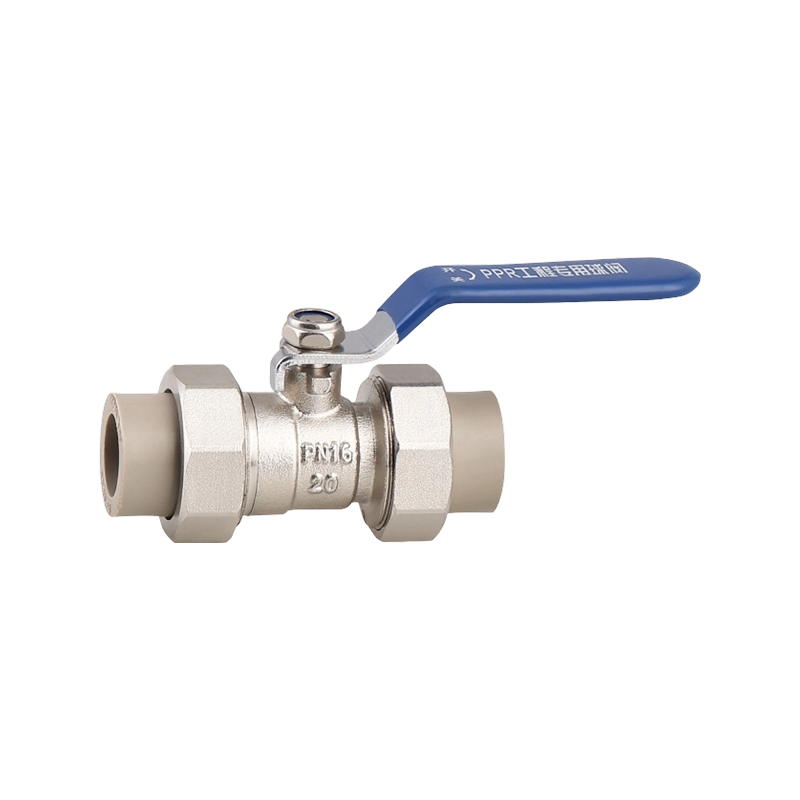
عربىBall Valve Faucet and PPR Ball Valve Factory production processes are often discussed together when looking at long-term plumbing maintenance strategies and system durability management. Ball Valve Faucet components are widely used in household and building water systems, while manufacturing practices in a PPR Ball Valve Factory focus on maintaining structural stability and sealing consistency that directly influence maintenance frequency and service life.
Why Maintenance Matters in Plumbing Valve Systems
Plumbing systems operate under continuous pressure changes, water quality variation, and frequent usage cycles. Over time, these conditions affect internal components such as sealing rings, valve seats, and rotating balls. In Ball Valve Faucet applications, even minor wear on contact surfaces can gradually change flow behavior or create small seepage points.
Maintenance challenges are often not caused by sudden failure but by gradual changes that are difficult to notice in early stages. For example, mineral deposits in water can accumulate inside valve channels, while repeated operation may slightly alter the alignment of internal components. In systems manufactured through a PPR Ball Valve Factory process, dimensional consistency helps reduce variation, but external conditions still influence long-term performance.
In residential plumbing, maintenance is often reactive rather than scheduled, which means issues are addressed only after visible symptoms appear. In commercial or shared systems, delayed maintenance can affect multiple users. This makes understanding structural behavior and maintenance intervals important for system planning.
Structural Considerations in Valve Durability Development
Ball Valve Faucet systems rely on a simple rotational mechanism, but durability depends on how well internal components maintain contact stability over time. PPR-based valves produced in a PPR Ball Valve Factory are designed with attention to material fusion quality, sealing interface geometry, and internal flow channel smoothness.
Key structural and production-related factors include:
- Stability of ball-to-seat contact under repeated operation
- Resistance of PPR material to deformation under temperature variation
- Uniformity of sealing ring compression during assembly
- Surface smoothness inside flow channels to reduce buildup
- Dimensional consistency of connection ports for pipe integration
These factors influence how frequently maintenance is required and how the valve responds to long-term use conditions. While design improvements can reduce certain risks, real-world performance still depends on installation quality and operating environment.
Practical Applications in Plumbing Maintenance Environments
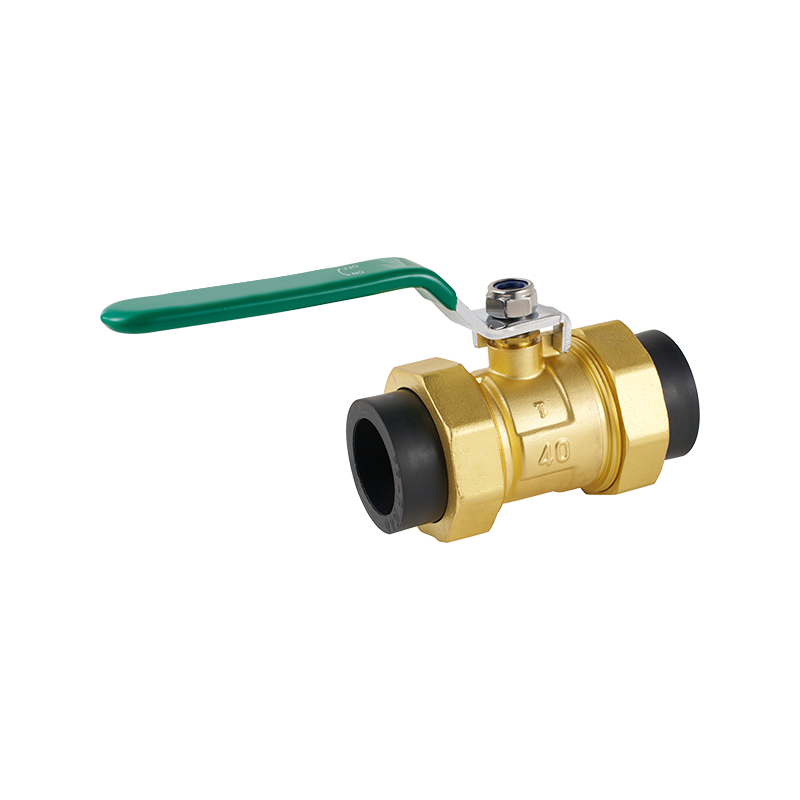
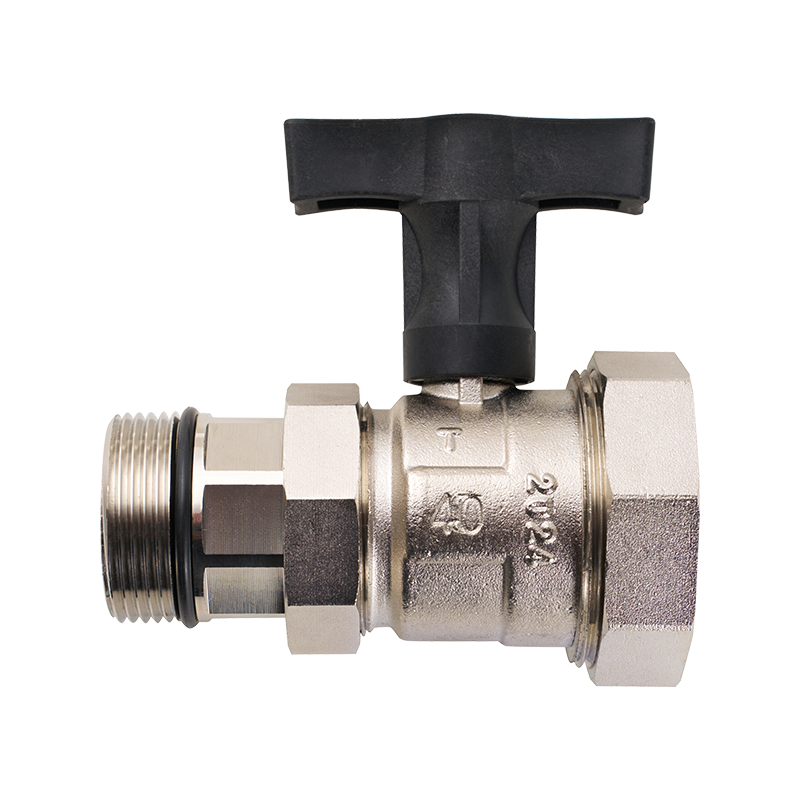
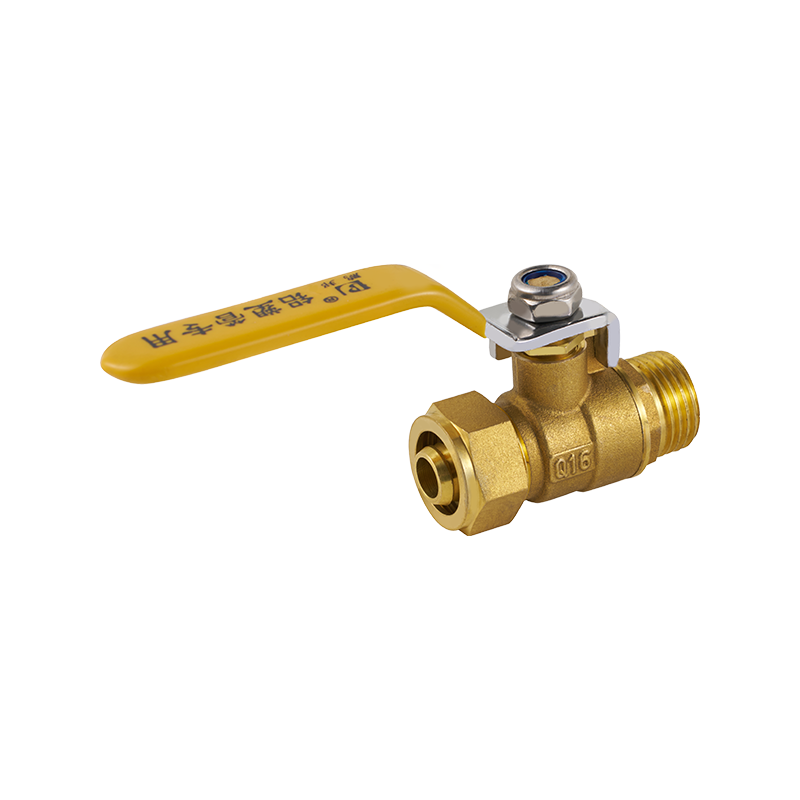
Ball Valve Faucet systems are widely used in environments where water flow needs to be controlled or isolated for maintenance. Their role is not only operational but also functional during system inspection and repair activities.
In residential plumbing, these valves are often used as shutoff points for kitchens, bathrooms, and water heaters. During maintenance, they allow specific sections of the system to be isolated without interrupting the entire water supply. In multi-unit buildings, they are also installed at branch lines to support localized repair work.
In commercial environments such as office buildings or retail facilities, Ball Valve Faucet systems are integrated into maintenance zones where plumbing networks are segmented. This structure allows technicians to access specific sections without affecting overall building operations.
In light industrial and utility systems, they are used in auxiliary water lines, cooling circulation systems, and irrigation networks. Their role in these systems is often related to operational control during inspection cycles rather than continuous adjustment.
Typical maintenance-related usage includes:
- Isolating water lines before repair work
- Testing pressure in specific pipeline sections
- Replacing damaged fittings without system shutdown
- Flushing accumulated sediment from branch lines
- Adjusting flow distribution in segmented networks
These applications highlight how valve placement directly influences maintenance efficiency and system accessibility.
Field Data and Maintenance Observation Patterns
Maintenance records from plumbing systems using Ball Valve Faucet components show that performance changes often occur gradually rather than abruptly. In controlled testing environments, valves produced in a PPR Ball Valve Factory are evaluated through repeated cycling, pressure variation, and environmental exposure simulations.
The following table summarizes common maintenance-related observations:
|
Observation Area |
Condition Monitored |
Maintenance Insight |
|
Sealing Surface Wear |
Contact interface condition |
Gradual reduction in tightness over cycles |
|
Rotation Mechanism |
Handle smoothness |
Increased resistance due to deposits |
|
Flow Channel Condition |
Internal buildup level |
Sediment accumulation affecting flow |
|
Connection Joint Stability |
Pipe fusion integrity |
Minor loosening under temperature changes |
|
Pressure Response |
Valve reaction under load |
Variation in shutoff response time |
Field data suggests that systems with consistent installation practices and periodic inspection cycles show fewer unexpected maintenance events. However, environmental factors such as water hardness and usage frequency still influence maintenance timing.

 CONTACT US