

 English
 русский
 Español
 عربى
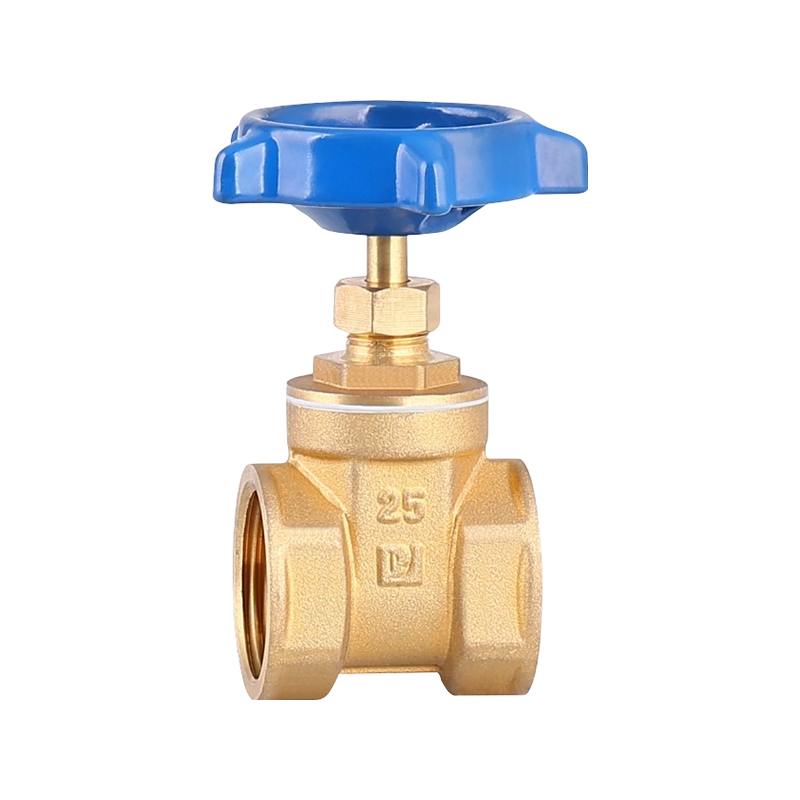
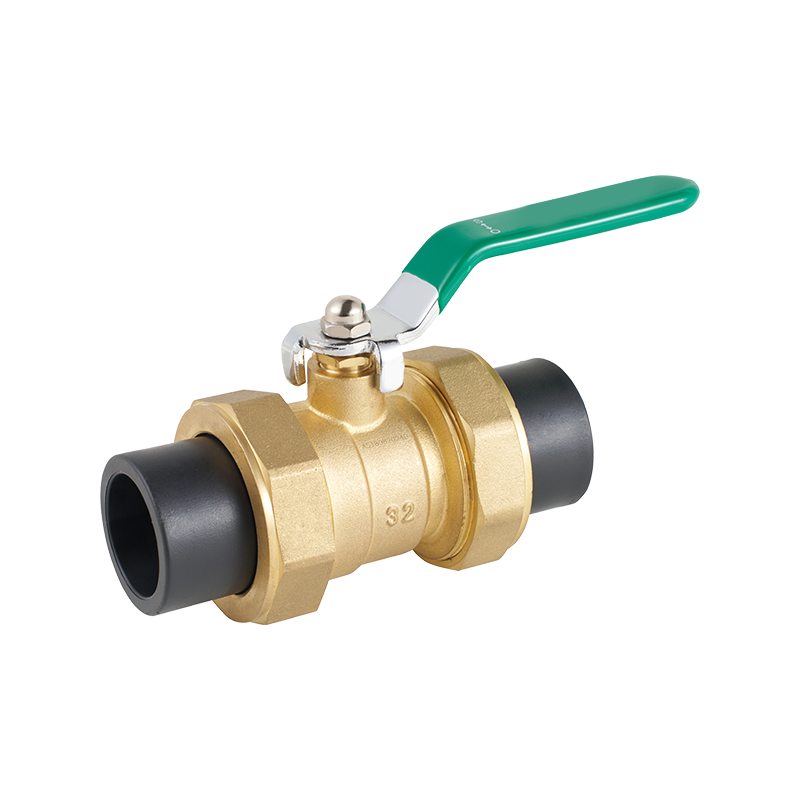
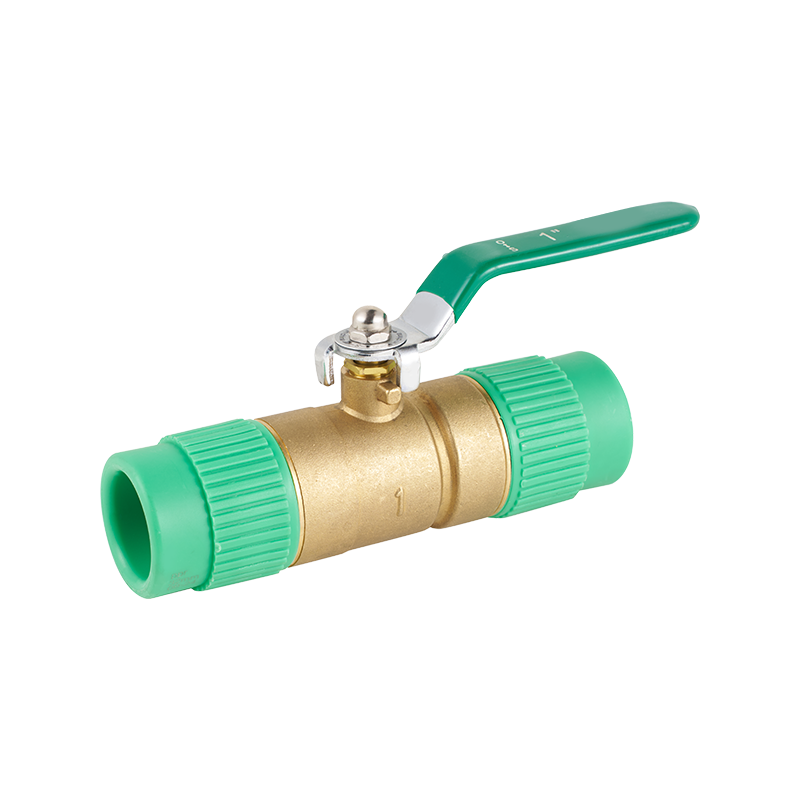
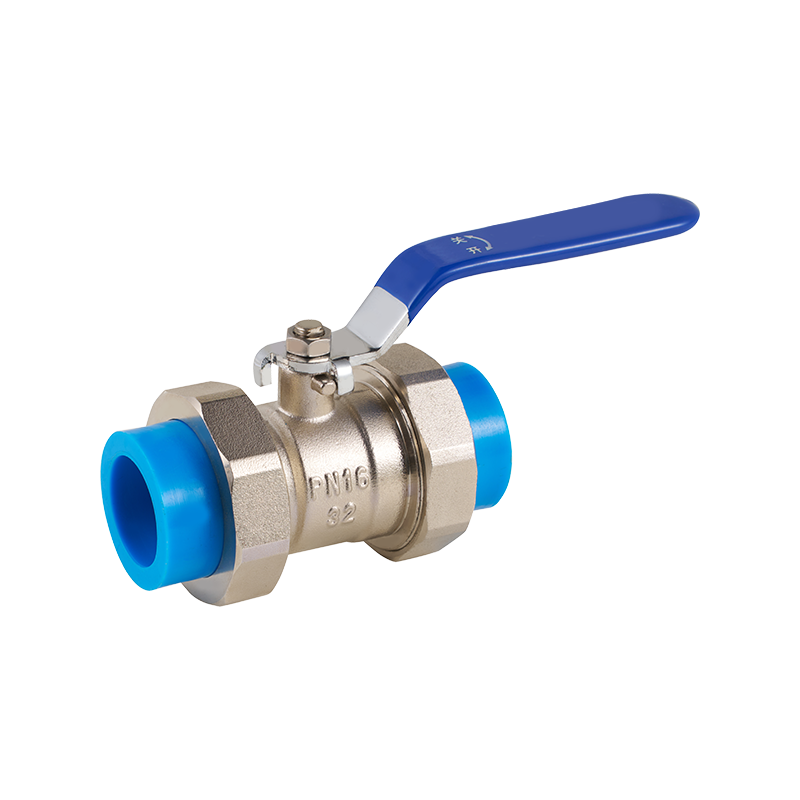
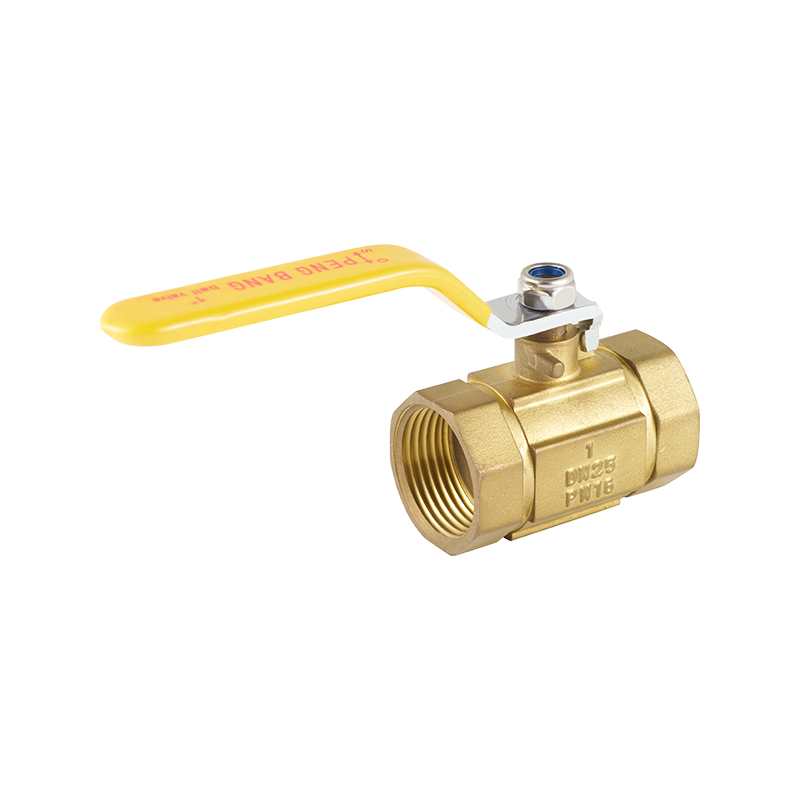
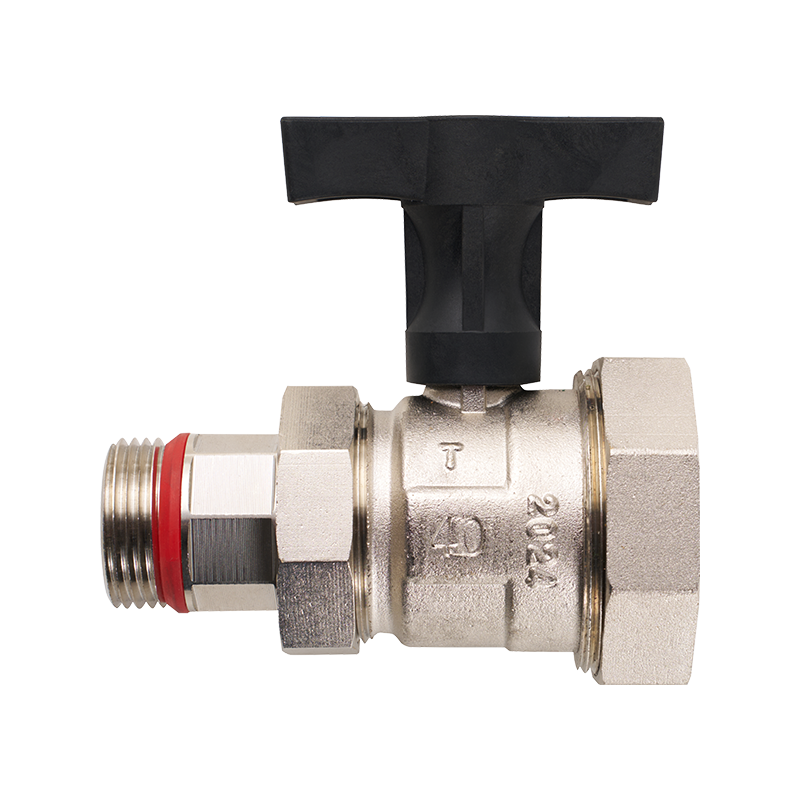
عربىBall Valve Faucet and PPR Ball Valve Factory production have become closely linked with the development of modern plumbing networks, especially where controlled water distribution and simple operation are required. Ball Valve Faucet components are commonly installed in multiple sections of pipeline systems, while manufacturing processes in a PPR Ball Valve Factory focus on maintaining dimensional consistency and stable sealing structure to support different application environments.
Pressure Control and Flow Segmentation in Plumbing Systems
Modern plumbing networks are no longer limited to simple water delivery. They now involve segmented flow control, multi-branch distribution, and maintenance-friendly design requirements. In this context, valve selection becomes a structural decision rather than a secondary component choice.
Ball Valve Faucet systems are often introduced to handle on/off control in compact pipeline spaces. However, challenges appear when systems operate under fluctuating pressure or when multiple usage points are connected to a single water supply line. In residential buildings, small leaks or uneven flow distribution can affect downstream fixtures. In industrial or commercial setups, inconsistent shutoff performance may complicate maintenance routines.
From a production perspective, a PPR Ball Valve Factory typically addresses these issues through tighter dimensional control and improved sealing interface design. Even slight deviations in ball alignment or seat contact can influence long-term flow stability, so manufacturing consistency plays an important role in system behavior after installation.
Structural Adjustments in Valve Design and Production
The development of Ball Valve Faucet systems has gradually shifted toward more stable mechanical response and simplified installation compatibility. In PPR-based systems, material fusion and molded structure design are closely coordinated to reduce installation mismatch.
Within a PPR Ball Valve Factory environment, production adjustments are often focused on three areas: internal flow channel smoothness, sealing interface uniformity, and joint fusion compatibility. These factors directly affect how the valve performs once integrated into a plumbing network.
Key manufacturing considerations include:
- Alignment accuracy between ball core and sealing seat
- Controlled shrinkage during PPR injection molding
- Standardized pipe fusion socket dimensions
- Surface treatment consistency to reduce friction variation
- Pressure endurance testing under simulated working conditions
These elements help ensure that valves can be integrated into different plumbing layouts without requiring extensive adaptation during installation.
Application Scenarios in Modern Plumbing Networks
Ball Valve Faucet systems are widely distributed across multiple segments of plumbing infrastructure due to their simple operation and clear flow control behavior. Their usage is not limited to a single environment but spans residential, commercial, and utility systems.
In residential plumbing, these valves are often installed in water inlet points, kitchen sink lines, bathroom supply connections, and water heater branches. Their compact structure allows them to fit into narrow installation spaces where access is limited but control is still required.
In commercial buildings, such as office complexes or retail facilities, Ball Valve Faucet components are used in distributed pipeline networks where section-based isolation is necessary during maintenance. This allows specific zones to be shut off without interrupting the entire system.
In agricultural and light industrial systems, they are applied in irrigation lines, water circulation setups, and auxiliary cooling pipelines. Their role in these environments is often related to segmented control rather than continuous regulation.
Typical usage distribution:
- Residential water supply entry points
- Kitchen and bathroom fixture connections
- Building maintenance shutoff sections
- Irrigation branch control lines
- Small-scale industrial circulation systems
This distribution reflects how plumbing design increasingly depends on modular control rather than centralized shutoff systems.
Field Observations and Operational Data
Performance data collected from installed plumbing systems shows that valve placement and installation conditions significantly influence long-term system stability. In controlled testing environments, Ball Valve Faucet units are evaluated through repeated operation cycles and pressure variation simulations.
A summary of commonly observed evaluation metrics is shown below:
|
Evaluation Item |
Focus Area |
Observation Purpose |
|
Flow Stability Test |
Water passage consistency |
Identify irregular resistance changes |
|
Rotation Cycle Check |
Handle operation durability |
Observe mechanical wear over repeated use |
|
Pressure Retention Test |
Sealing integrity under load |
Detect slow seepage under steady pressure |
|
Thermal Response Test |
Material behavior under variation |
Assess expansion impact on joints |
|
Installation Fit Check |
Pipe compatibility accuracy |
Ensure correct assembly without adjustment |
Data collected from field installations suggests that systems with consistent manufacturing tolerances and proper installation practices show fewer maintenance interventions related to leakage or flow interruption. However, environmental conditions such as water quality and pressure fluctuation still influence system behavior over time.

 CONTACT US