

 English
 русский
 Español
 عربى
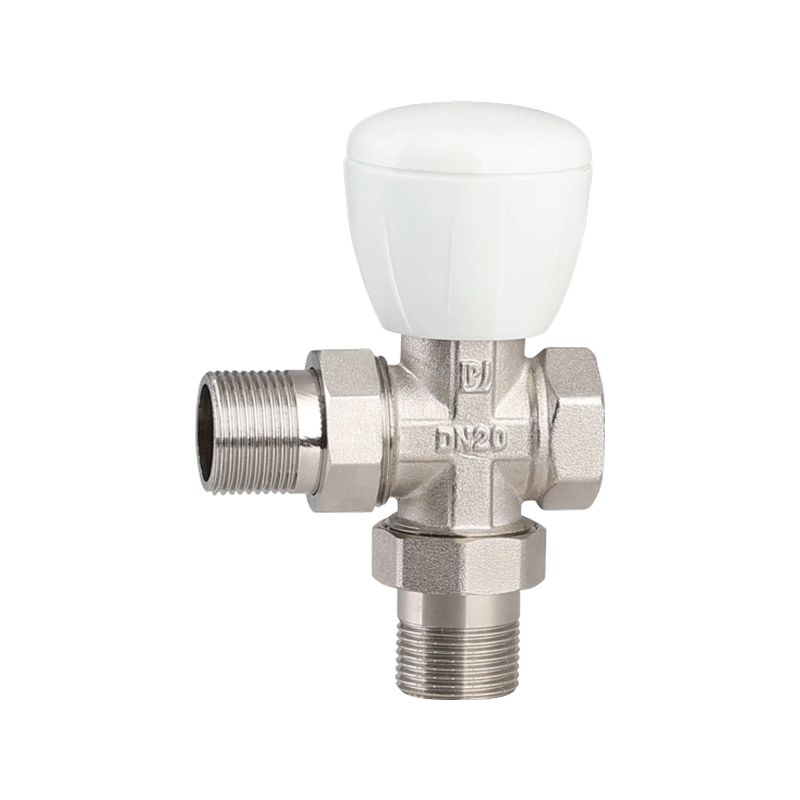
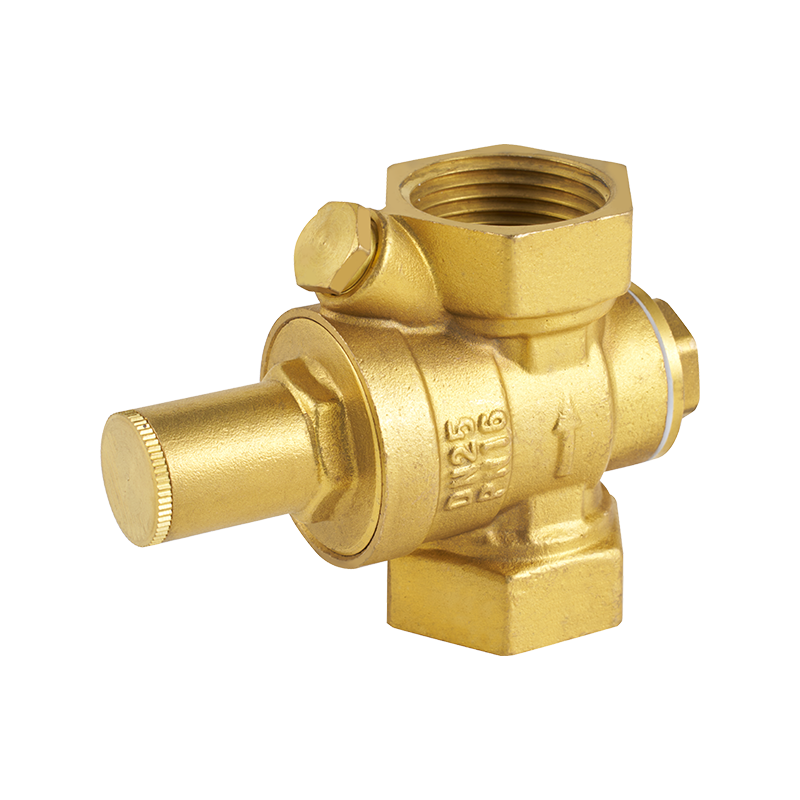
عربىA Manual Temperature Valve can be a practical component when different rooms within the same heating system experience noticeably different temperature conditions. In offices, apartments, hotels, workshops, and other buildings with multiple heating zones, one central setting does not always reflect the needs of every space. Instead of immediately replacing the entire heating system, engineers and facility managers can examine whether room-level adjustment is sufficient to address uneven heating and improve day-to-day control.
Why One Heating Setting May Not Suit Every Room
Rooms within the same building can have very different thermal conditions. A south-facing office may receive more solar heat, while a room near an exterior wall may lose heat more quickly. Occupancy, insulation, windows, equipment, and room orientation can also influence perceived temperature.
When every radiator or heating outlet operates under exactly the same setting, some areas may become warmer than necessary while others require additional heat. Room-level temperature adjustment provides a straightforward way to respond to these differences without changing the operating requirements of the entire building.
Start With the Heating Zone
Before selecting a valve, engineers should identify how the heating circuit is arranged. The location of radiators, pipe connections, heat sources, and existing control components can influence which valve configuration is appropriate.
For procurement teams, useful information includes:
- Existing radiator or terminal-unit type
- Pipe connection size and configuration
- Available installation space
- Operating temperature and pressure conditions
- Required adjustment range
Providing this information to the manufacturer can make product selection more precise and reduce the risk of ordering a component that does not match the existing installation.
Manual Adjustment Has a Place in Modern Buildings
The growing adoption of connected HVAC controls does not eliminate the need for straightforward mechanical adjustment. Some buildings have relatively simple heating systems where occupants or facility staff only need direct control over individual rooms.
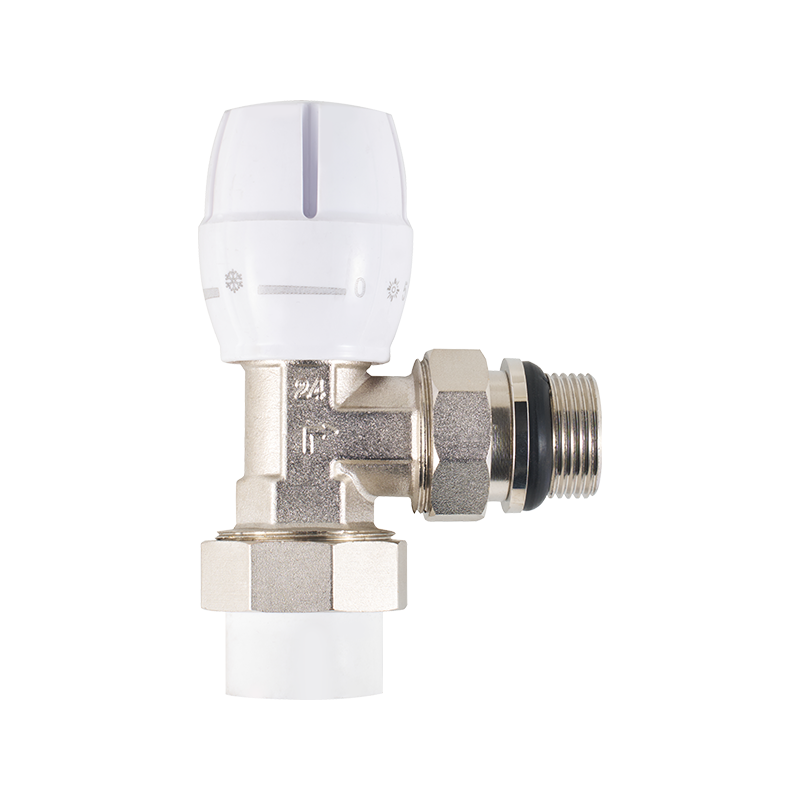
A manual radiator temperature valve can provide an uncomplicated interface without requiring electrical wiring, batteries, software configuration, or network communication. This can be particularly useful in smaller commercial properties, residential developments, workshops, and retrofit projects where a complete automation system would add unnecessary complexity.
Look at Uneven Heating as a System Issue
Temperature differences between rooms are not always caused by the valve itself. Engineers may also need to examine water flow, radiator sizing, insulation, air in the circuit, balancing, and the operating condition of the heat source.
A valve should therefore be viewed as one component within the larger hydronic system. If basic system conditions are addressed first, room-level adjustment can become more effective and easier to manage.
This broader approach is important for manufacturers as well. Understanding the application allows us to recommend products based on actual operating conditions instead of treating every heating installation as identical.
Product Design Can Simplify Installation
For contractors working on existing systems, installation access can be just as important as the valve's control function. Restricted spaces around radiators and pipework may make certain body configurations difficult to install or adjust.
Manufacturers should therefore consider connection design, valve dimensions, adjustment access, sealing components, and installation orientation during product development. Clear technical drawings and dimensional information can also help engineers confirm compatibility before equipment reaches the job site.
What Buyers Should Check Before Ordering
A product specification should provide enough information for engineers and purchasing teams to make an informed decision. Comparing valves only by price or external appearance can overlook important differences in application compatibility.
Before placing an order, buyers can confirm:
- Valve connection and dimensional requirements
- Compatible heating media and operating conditions
- Body and internal component materials
- Adjustment method and installation orientation
- Availability of samples or technical drawings
These checks are especially useful for distributors handling several heating applications across different markets.
Supporting Practical Room-Level Heating Control
Modern HVAC development is moving toward more responsive and intelligent building control, while retrofit projects still need solutions that work with existing infrastructure. Recent research and industry activity continue to explore improved building controls, hydronic performance, and more responsive zone management.
As a manufacturer, we focus on translating these practical requirements into reliable valve solutions that can be integrated into different heating applications. For contractors, distributors, and building equipment buyers, selecting the right Manual Temperature Valve can provide a straightforward way to support room-level heating adjustment without unnecessarily complicating the existing system.



 CONTACT US