

 English
 русский
 Español
 عربى
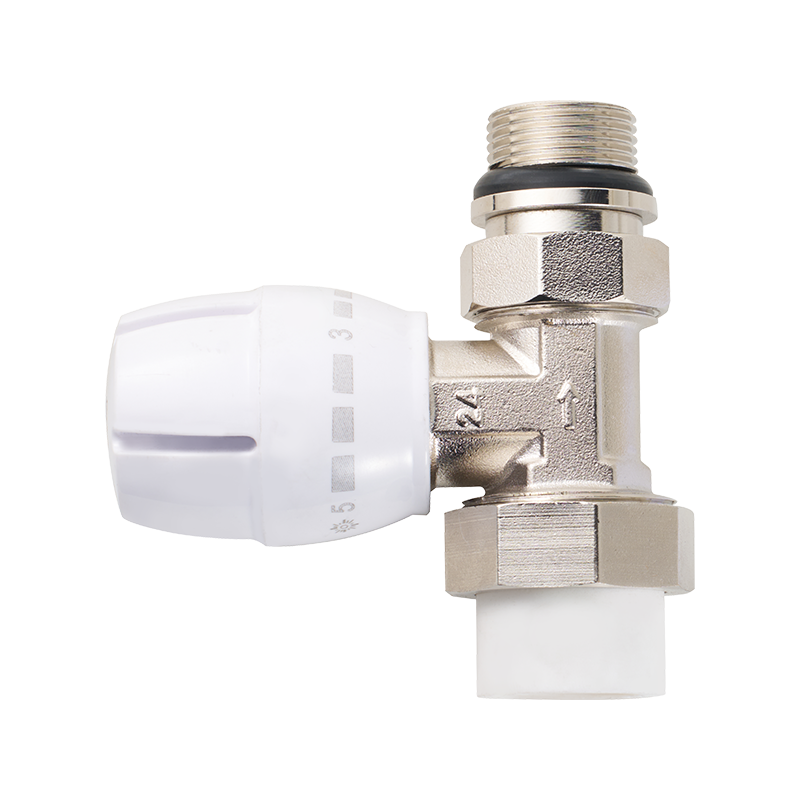
عربىFor heating equipment buyers, a valve may be a relatively small component, but its manufacturing consistency can have a direct effect on installation and long-term operation. A Manual Temperature Valve needs more than a suitable appearance and connection size. Thread accuracy, sealing performance, component fit, adjustment movement, and production consistency all deserve attention when procurement teams are evaluating suppliers for heating applications.
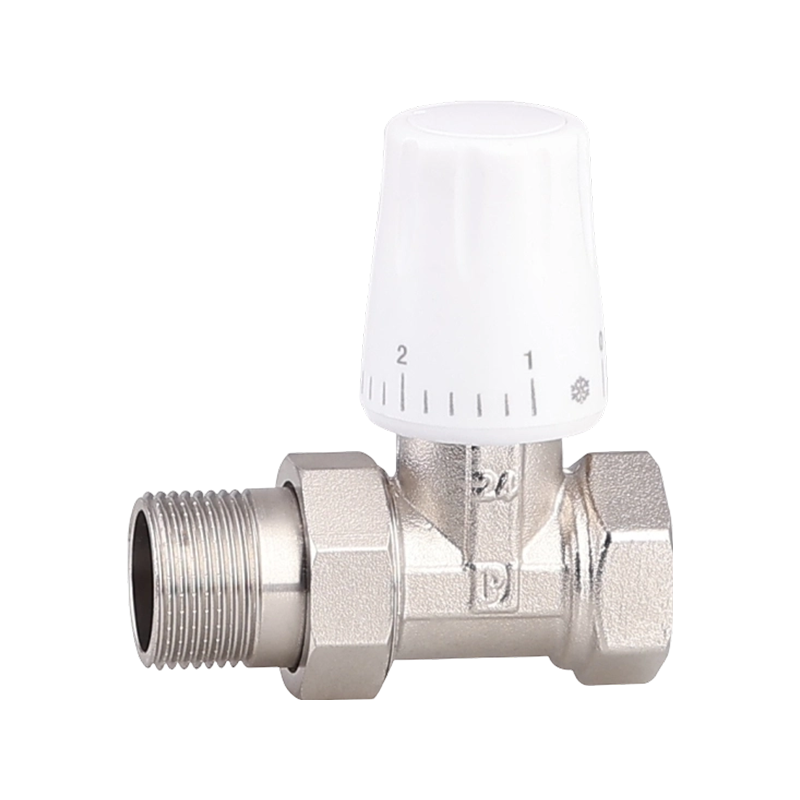
Small Manufacturing Details Can Affect Installation
A heating valve connects directly with other components in the system, so dimensional accuracy matters. Even a minor inconsistency in threads or mating surfaces can make installation more difficult, particularly when valves are purchased in larger quantities.
For contractors and distributors, consistent dimensions across the same product series can reduce adjustment work during installation. This is especially relevant for OEM projects, where buyers expect repeated orders to maintain the same specifications.
Sealing Performance Deserves Practical Attention
Heating systems operate under specific temperature and pressure conditions, making sealing one of the important considerations during valve selection. The valve body, sealing elements, threaded connections, and assembly process all contribute to the finished product.
Rather than evaluating sealing only from a product description, professional buyers can ask manufacturers about the materials used, assembly procedures, inspection methods, and applicable operating conditions. This provides a more useful basis for comparing suppliers.
Smooth Adjustment Supports Everyday Operation
A Manual Temperature Valve is designed to provide direct user adjustment, so the operating movement should be predictable and convenient. Excessive resistance, inconsistent movement, or poor component fit can affect the user experience even when the valve remains mechanically functional.
Manufacturing quality therefore involves more than dimensional inspection. Assembly consistency and functional checks can also help manufacturers identify issues before products are packed and shipped.
Batch Consistency Matters for International Buyers
A distributor may purchase the same valve repeatedly over several months or years. If product dimensions, materials, surface finish, or adjustment characteristics change between batches, downstream customers may notice the difference.
For this reason, buyers should consider whether a supplier has a structured quality-control process covering:
- Incoming component inspection
- Machining and dimensional checks
- Thread and connection inspection
- Sealing and assembly checks
- Functional testing
- Final product inspection
- Batch identification and traceability
A consistent process gives procurement teams greater confidence when planning repeat orders.
OEM Projects Require More Than Standard Products
OEM customers may have requirements that go beyond the standard valve configuration. These can include customized markings, packaging, handle designs, connection specifications, or product documentation.
From a manufacturer's perspective, customization should not compromise production consistency. The supplier needs to translate the customer's specification into controlled production requirements and maintain those requirements across subsequent batches.
Clear technical drawings and specifications are particularly useful when buyers, engineers, and production teams are working across different countries and time zones.
Product Documentation Helps Buyers Compare Suppliers
When purchasing HVAC components internationally, product documentation can make supplier evaluation more efficient. A detailed datasheet allows engineers to review important parameters before requesting samples or placing an order.
Useful documentation may include:
- Product dimensions and connection details
- Material information
- Operating temperature and pressure conditions
- Installation guidance
- Adjustment instructions
- Available customization options
- Inspection and quality-control information
This information also helps distributors prepare accurate technical descriptions for their own customers.
Manufacturing Capability Becomes a Procurement Advantage
As hydronic systems continue to place greater emphasis on temperature control and balanced operation, valve quality remains part of the wider system equation. Industry guidance on hydronic systems also emphasizes the relationship between flow distribution and temperature control.
For procurement teams, choosing a Manual Temperature Valve supplier should therefore involve more than comparing unit prices. Manufacturing accuracy, sealing consistency, functional inspection, OEM flexibility, and technical support all contribute to the overall value of the product. A manufacturer that can maintain these factors across repeat production can provide a more dependable foundation for international heating-system projects.


 CONTACT US