

 English
 русский
 Español
 عربى
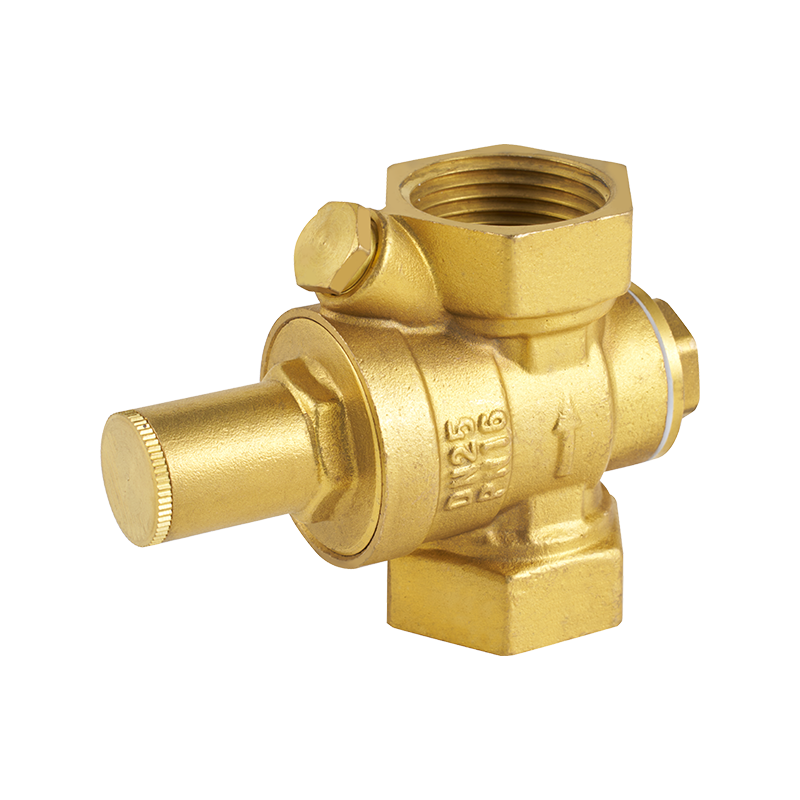
عربىA heating valve may be technically suitable for a system, yet still create problems if it is difficult to reach or operate after installation. For engineers, contractors, and procurement teams, installation accessibility is therefore an important part of valve selection. A Manual Temperature Valve should not only provide reliable temperature adjustment but also fit the physical requirements of the heating system, allowing users to operate, inspect, and service the component when necessary.

Installation Space Should Be Considered Early
Heating equipment is often installed in compact areas where pipes, radiators, cabinets, insulation, and other components compete for space. A valve that looks suitable on a product drawing may become inconvenient when installed in the actual system.
Before ordering, engineers can review the valve's overall dimensions and consider the space required for operating the handle. The surrounding pipe arrangement should also allow installers to make secure connections without putting unnecessary stress on the valve body.
Handle Access Affects Everyday Use
The primary advantage of a manual control valve is direct adjustment. That benefit can be reduced if the handle is blocked by nearby pipes, panels, insulation, or other equipment.
For projects where users frequently adjust heating output, the valve should be positioned where the control can be reached comfortably. This is particularly relevant for radiators and terminal heating units located behind furniture or inside service areas.
A practical installation review should consider:
- Handle clearance
- Valve orientation
- Nearby pipework
- Insulation thickness
- Access for inspection
- Space for connection tools
- Future replacement requirements
These details can be easy to overlook during the specification stage but become much harder to correct after installation.
Correct Positioning Supports Easier Maintenance
Accessibility is also important after commissioning. Heating systems require inspection and maintenance over their operating life, and valves should not be treated as components that can simply be forgotten after installation.
If a valve is positioned behind permanent panels or in an extremely confined location, even a straightforward inspection may require additional work. Engineering specifications commonly emphasize locating valves where they can be accessed for service and allowing sufficient room for maintenance.
For contractors, planning access during installation can help avoid unnecessary dismantling later.
Pipe Stress Should Not Be Ignored
A valve forms part of the piping assembly, which means installation conditions can influence its mechanical environment. Poorly aligned pipework or inadequate support may place unwanted loads on the valve connections.
This is why valve installation should be considered together with the surrounding piping rather than handled as an isolated component. Proper alignment and suitable pipe support can help create a more stable installation.
From a manufacturer's perspective, providing accurate dimensional drawings allows engineers to evaluate these conditions before the products arrive on site.
Product Design Can Support Faster Installation
Manufacturers can contribute to installation efficiency through practical product design and documentation. Clear connection information, consistent dimensions, readable markings, and appropriate handle design can reduce uncertainty during installation.
For international buyers, technical drawings are particularly useful because procurement teams may need to coordinate with contractors, distributors, and engineering departments in different locations.
A well-prepared product specification can include:
- Overall valve dimensions
- Connection details
- Installation orientation
- Operating temperature and pressure information
- Recommended installation conditions
- Material specifications
- Product identification information
Maintenance Considerations Belong in Procurement
Purchasing decisions are often driven by price, availability, and technical specifications. However, installation and maintenance requirements can also influence the total value of a heating component.
A valve that is easy to access may simplify inspection and adjustment. A clearly documented product can reduce communication between the supplier and installer. Consistent dimensions can also make replacement planning easier for distributors managing product inventories.
These factors become increasingly relevant when a buyer is sourcing valves for multiple projects rather than a single installation.
Supporting Contractors With Better Technical Information
For manufacturers, supporting the customer does not end when the product leaves the factory. Technical documentation, installation guidance, dimensional drawings, and responsive communication can help contractors use the product correctly.
This is especially valuable for OEM and export projects, where the final installer may not communicate directly with the original manufacturer. Clear information helps bridge that gap and gives distributors a more reliable way to support their customers.
Designing for Access From the Beginning
A heating valve should be evaluated not only for what it does, but also for how easily it can be installed and operated within the real system. By considering access, handle clearance, pipe alignment, service space, and documentation before ordering, engineers and procurement teams can reduce avoidable installation difficulties. For applications requiring straightforward local temperature adjustment, a properly specified Manual Temperature Valve can provide practical control while remaining convenient to operate and maintain.

 CONTACT US