

 English
 русский
 Español
 عربى
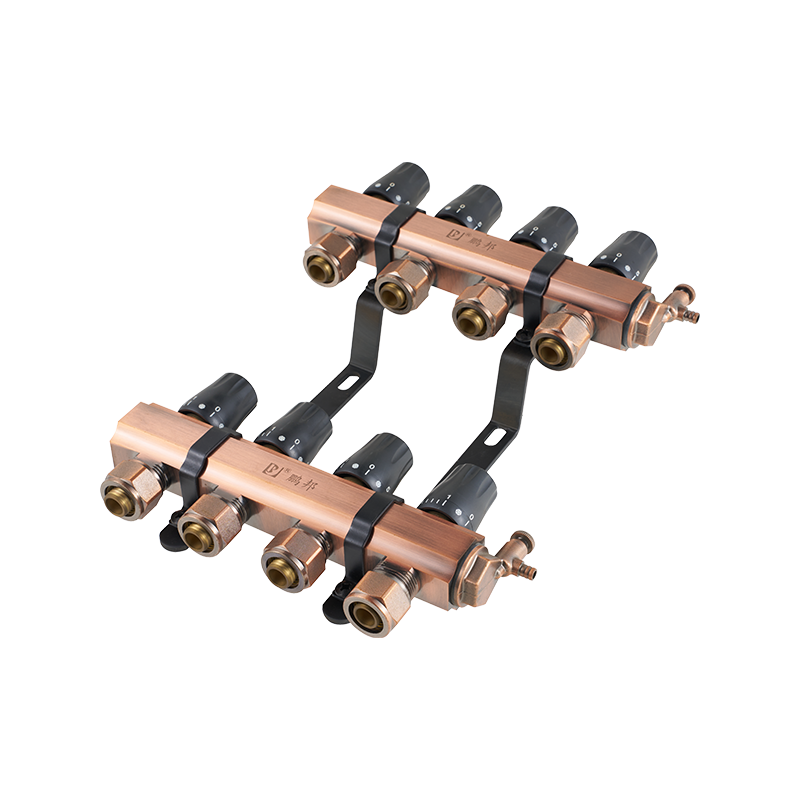
عربىAs hydronic underfloor heating becomes increasingly integrated with heat pumps and zone-based temperature control, system performance depends on more than the heat source itself. The distribution side must deliver the right water flow to each heating circuit while allowing installers to commission and maintain the system efficiently. For contractors, HVAC distributors, and project buyers, choosing the right Floor Heating Manifold can therefore help address uneven heating, complicated installation, and difficult flow adjustment before these issues become costly service problems.
Start With the Number of Heating Circuits
The first step is to match the manifold configuration with the actual floor heating layout. Each heating loop requires a corresponding connection, while different rooms may have different heating requirements and pipe lengths.
Choosing the port count simply according to the building size can lead to an unsuitable configuration. Engineers should consider the number of loops, room arrangement, pipe routing, and future service requirements before confirming the manifold specification.
For distributors, offering several circuit configurations can also make it easier to support different residential and commercial project types without forcing installers to adapt an unsuitable standard assembly.
Pay Attention to Flow Balancing
Uneven floor temperatures can occur when water is not distributed appropriately between different circuits. A shorter loop may offer less resistance than a longer loop, which can affect how much water reaches each zone.
Flow meters and regulating valves can help installers adjust individual circuits during commissioning. Industry manufacturers commonly use these components to support hydronic balancing and make flow settings visible for adjustment.
From a manufacturing perspective, clear adjustment mechanisms and readable indicators can make the commissioning process more practical for installers.
Consider Compatibility With Heat Pump Systems
Heat pumps and underfloor heating are often designed as part of a low-temperature heating system. This makes the relationship between the heat source, circulation system, manifold, and floor circuits important during system design.
A manifold should not be selected in isolation. Buyers need to check connection sizes, operating conditions, flow requirements, control components, and whether additional mixing or pumping equipment is required for the intended system.
This approach helps engineers avoid treating the manifold as a simple pipe-distribution component when it is actually part of the wider hydronic control system.
Make Room-by-Room Control Practical
Modern residential heating projects may divide a building into several zones so different areas can respond to their individual heating requirements. A properly configured manifold provides a central point where these circuits can be connected, isolated, adjusted, and controlled.
For projects using thermal actuators and room thermostats, buyers should confirm that the manifold's valve arrangement is compatible with the selected control system. Manufacturers such as Danfoss also provide manifold solutions designed around individual circuit control and actuator integration.
Choose Materials for Long-Term Use
Material selection should reflect the water circuit, installation environment, and expected service conditions. Brass and stainless steel are both used in hydronic manifold construction, with manufacturers offering different configurations for residential and commercial applications.
Buyers should also examine machining quality, sealing surfaces, valve connections, and corrosion considerations rather than judging a manifold only by its external finish. Consistent manufacturing is particularly important for distributors who need repeatable specifications across multiple orders.
Installation Details Can Save Time
A technically suitable manifold can still create installation difficulties if its connections, mounting arrangement, or accessories are inconvenient to work with. Installers need enough access to connect pipes, adjust flow, release air, drain the system, and perform future maintenance.
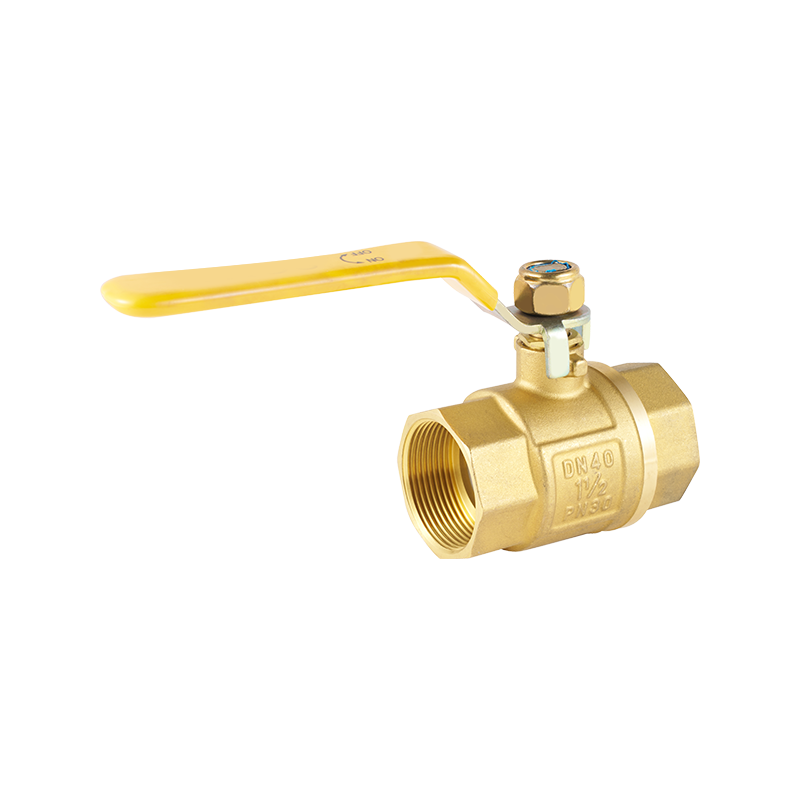
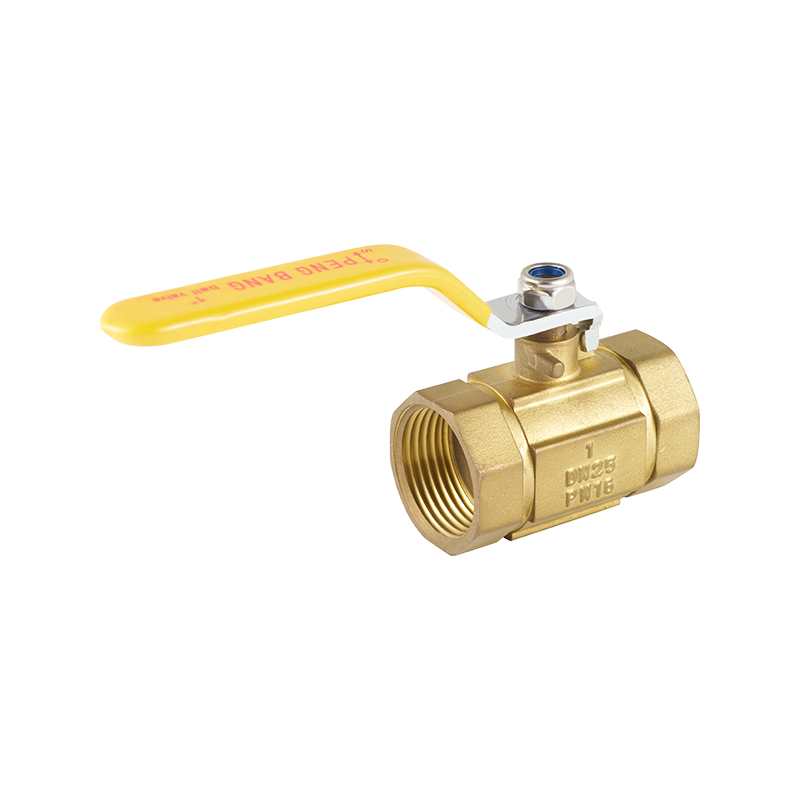
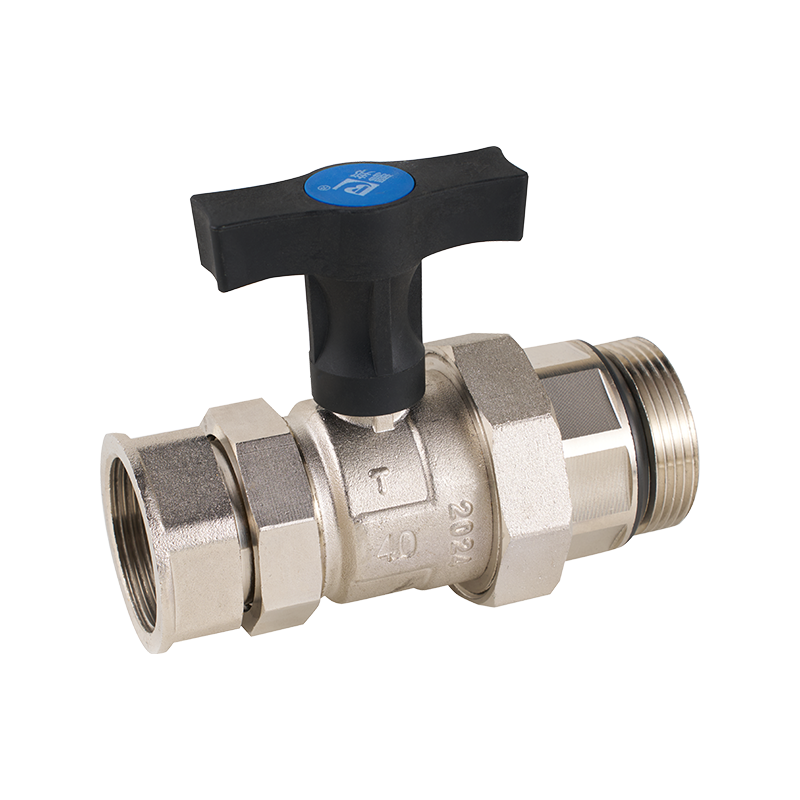
For this reason, practical features such as mounting brackets, shut-off valves, air vents, and drain connections should be considered as part of the complete installation solution. Preassembled distribution units are also being developed to reduce installation complexity and potential assembly errors.
Build the Specification Around the Complete System
For overseas buyers, selecting a manifold should begin with the heating system rather than a catalogue number. Loop quantity, pipe connection, flow adjustment, control method, material, installation space, and heat-source configuration all influence the appropriate specification.
As a manufacturer, we focus on these practical engineering requirements when developing and producing Floor Heating Manifold solutions. For distributors, HVAC contractors, and project buyers, discussing the complete application with the manufacturer before ordering can help create a better-matched distribution system and make installation, commissioning, and future maintenance more straightforward.


 CONTACT US