

 English
 русский
 Español
 عربى
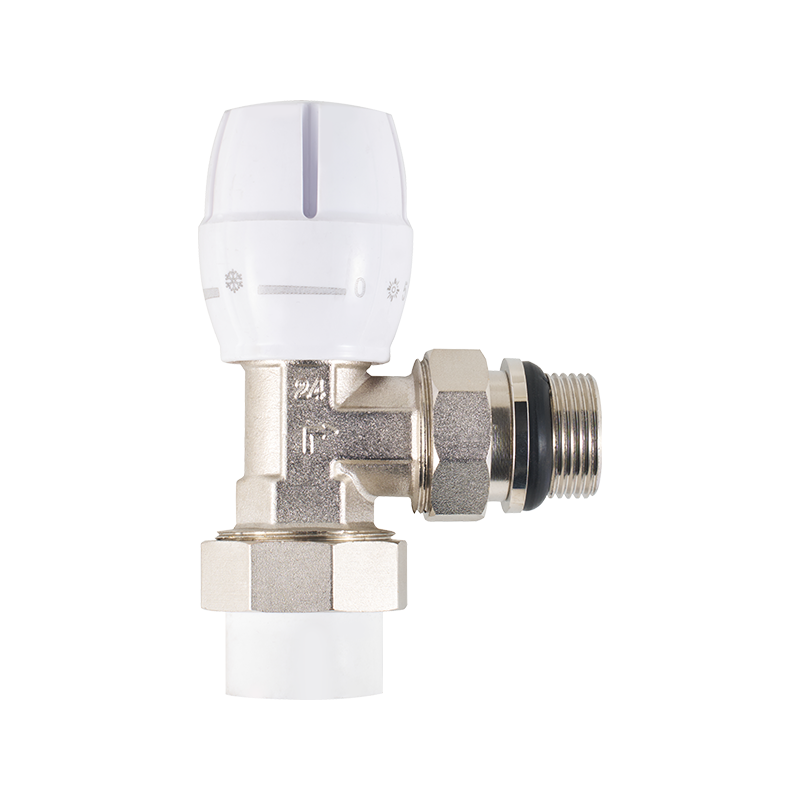
عربىIndustrial pipeline systems are engineered for diverse purposes, from transporting process chemicals and steam to distributing potable water and handling waste. The selection of appropriate components, including valves, is guided by the specific functional demands of each pipeline segment. Understanding where products from a specialized globe valve factory, or where alternatives like a PPR ball valve, are suitably applied requires a look at the distinct operational requirements within these complex systems.
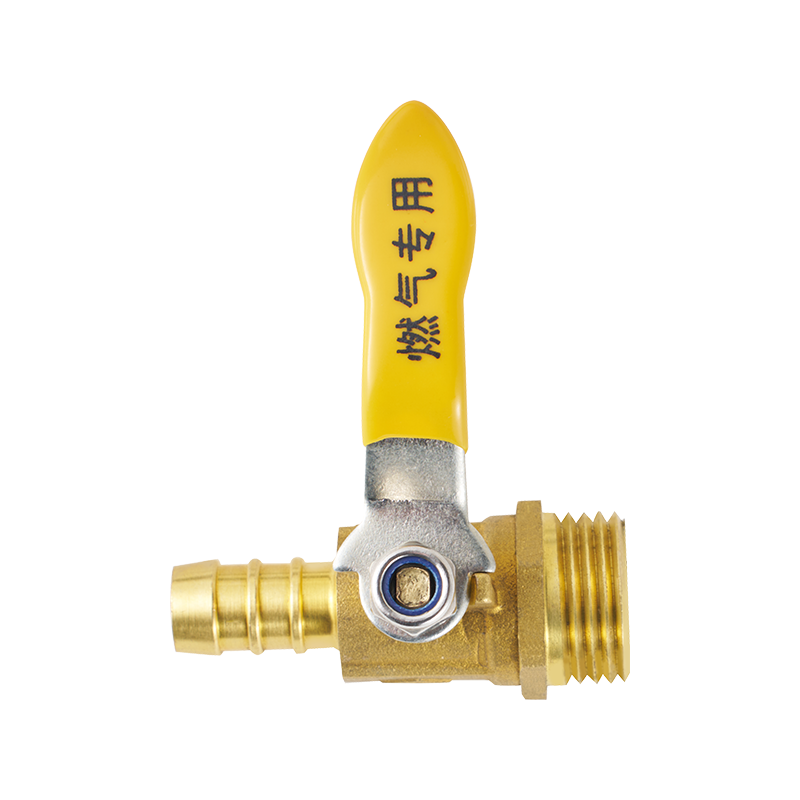
Addressing the Need for Flow Regulation and Control
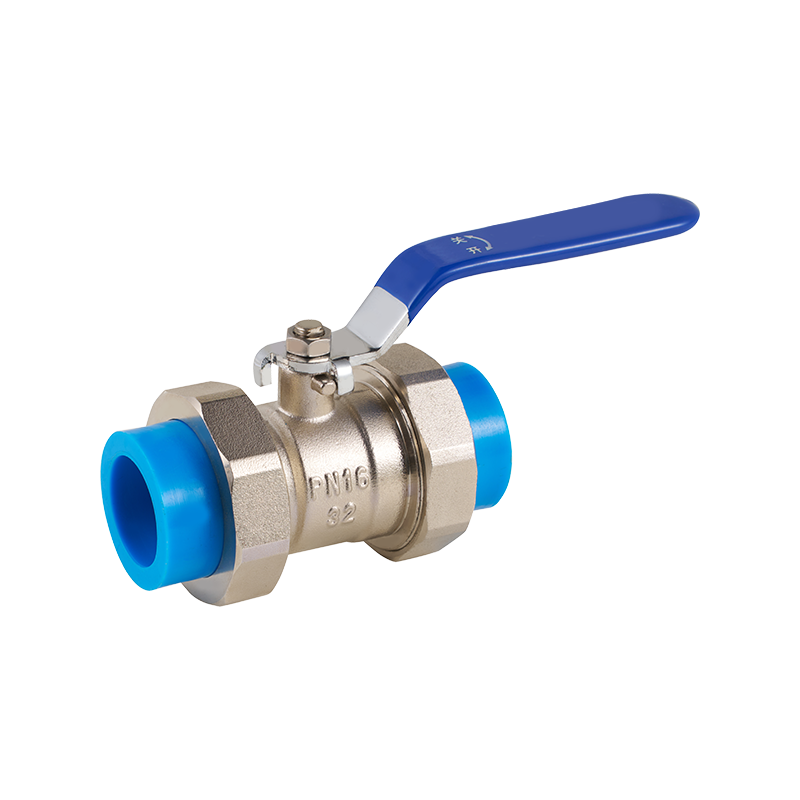
A primary area where globe valve factory outputs find consistent application is in pipelines requiring active flow regulation and throttling. The internal design of a globe valve, with its movable disc and stationary seat ring arranged parallel to the flow path, allows for precise modulation of flow rate. This characteristic makes it a frequent choice for applications such as cooling water bypass lines, fuel oil supply lines to heaters, or chemical feed systems where flow must be adjusted accurately and maintained at a set point. In contrast, a quarter-turn PP-R ball valve is generally selected for applications prioritizing full flow with pressure drop and straightforward on/off operation, such as in main supply shut-off or isolation points for a branch line carrying non-aggressive fluids.
Material Compatibility and Service Environment Considerations
The suitability of a valve is fundamentally tied to its construction materials relative to the pipeline's service media and environment. Factories producing globe valves typically offer a range of material options, including various grades of stainless steel, cast iron, and bronze, to handle different pressures, temperatures, and corrosive properties. This allows for integration into pipelines carrying steam, hot oils, or aggressive chemicals where metal alloys provide necessary strength and resistance. Conversely, pipelines conveying certain acids, alkalis, or ultrapure water at lower temperatures and pressures might employ a corrosion-resistant PP-R ball valve, where the inert properties of polypropylene are advantageous and weight is a consideration.
Integration with System Pressure and Thermal Dynamics
Pipeline operating conditions dictate valve design specifications. Globe valves, often available in multiple pressure class ratings and with reinforced body structures, are commonly specified for systems with higher operating pressures or where pressure containment during throttling is critical. Their design can accommodate significant pressure drops across the valve orifice. They are also regularly found in steam tracing lines or heat exchange circuits due to available material grades that withstand elevated temperatures. For lower-pressure utility lines, domestic water distribution, or compressed air systems within their thermal range, a PP-R ball valve provides a functional and economical isolation solution.
Operational Frequency and Maintenance Access
The expected frequency of valve operation and the practicality of maintenance influence selection. Globe valves, while excellent for regulation, involve multiple turns to operate and have more internal parts subject to wear from frequent throttling cycles. They are therefore typically installed in accessible locations where periodic maintenance, such as repacking the stem seal or reseating, can be performed. In systems where valves are used primarily for infrequent isolation or where access is limited, the simple, low-maintenance design of a PP-R ball valve, with its quarter-turn operation and fewer internal components, can offer a practical advantage.
Balancing Function with Overall System Economics
The decision also involves evaluating initial cost, installation requirements, and expected service life within the total system context. A globe valve factory provides solutions that may carry a higher initial cost but are engineered for long-term, reliable performance in demanding control applications. Their installation often requires consideration of flow direction and more space due to their typically taller profile. For supporting roles in a pipeline network—such as drain valves, sample points, or auxiliary line isolation—a compact and easily installed PP-R ball valve can fulfill the need effectively, contributing to a balanced and cost-conscious system design.
The placement of specific valve types within an industrial pipeline is not arbitrary but stems from a technical alignment between valve capabilities and pipeline function. Output from a globe valve factory is integral to sections demanding precise flow management and durability under strenuous conditions. Meanwhile, components like the PP-R ball valve address needs for corrosion resistance, full-bore flow, and economical isolation in compatible services. A well-engineered pipeline system effectively utilizes the distinct strengths of each valve type, ensuring control, safety, and operational continuity across its entire network.


 CONTACT US