

 English
 русский
 Español
 عربى
عربىEven as industrial automation and smart control systems continue to expand across manufacturing, HVAC, and process engineering sectors, many facilities still rely on manual regulation for temperature-sensitive operations. A Manual Temperature Valve remains a practical and widely used solution in systems where direct human control, mechanical reliability, and cost efficiency are prioritized over full automation. Recent discussions across industrial engineering forums and procurement platforms show growing interest in mechanical temperature control valves, adjustable thermal balancing valves for HVAC systems, and manual flow temperature regulators for industrial pipelines. Buyers are increasingly focused on response stability, material durability, installation flexibility, and maintenance simplicity. While smart valves and IoT-enabled systems are growing in popularity, many engineers still prefer manual solutions in environments where electrical systems are unnecessary or impractical. As a manufacturer, we observe a consistent demand for reliable mechanical control components that perform consistently under variable operating conditions.
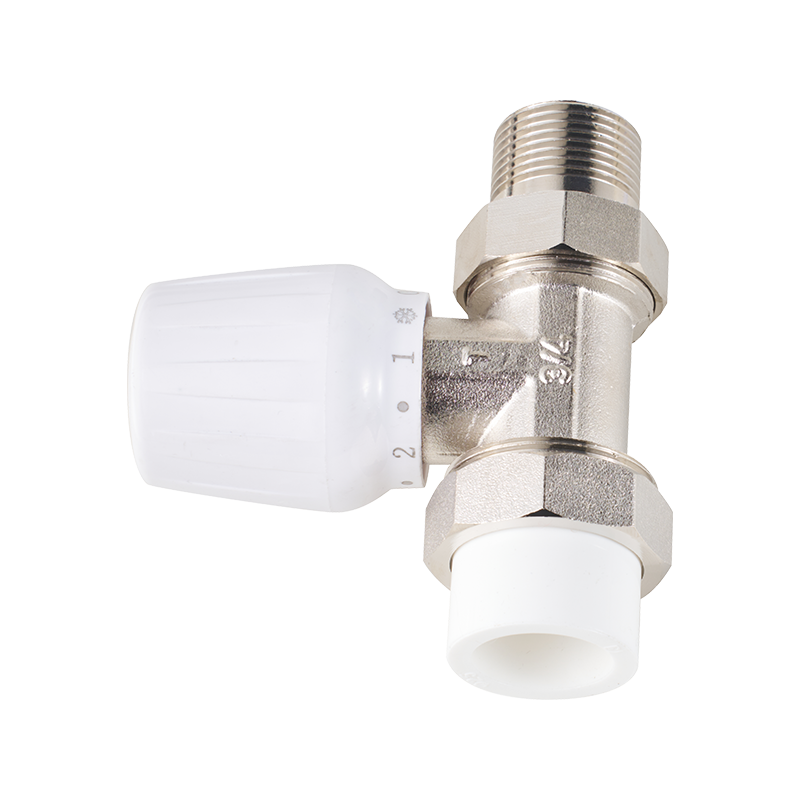
Simplicity and Reliability Remain Key Engineering Priorities
In many industrial applications, simplicity is still considered a strength rather than a limitation. Manual temperature control systems are often selected for environments where electrical integration may introduce unnecessary complexity or maintenance challenges.
Engineers value systems that can operate independently without external power sources, especially in remote installations or backup systems where reliability is critical.
HVAC Systems Continue to Rely on Mechanical Regulation
Heating, ventilation, and air conditioning systems remain one of the largest application areas for temperature control valves. Even in modern smart buildings, manual or semi-manual systems are still widely used for zone balancing and system calibration.
Common HVAC requirements include:
- Stable thermal regulation across different zones
- Easy adjustment during system commissioning
- Compatibility with existing pipeline structures
- Reduced dependency on electronic control units
- Long-term operational stability under continuous use
These factors make mechanical temperature valves a practical solution for both new installations and retrofit projects.
Industrial Process Stability Depends on Precise Thermal Balance
In industrial environments such as chemical processing, food production, and water treatment, maintaining consistent temperature levels is essential for product quality and system safety.
Manual control valves are often selected for:
- Fine-tuning process temperature during production cycles
- Emergency override in automated systems
- Simple integration with mechanical pipeline networks
- Stable operation under high-pressure conditions
- Reduced risk of electronic system failure
These advantages make them a dependable component in critical process environments.
Material Selection Impacts Long-Term Performance
Temperature control systems often operate under challenging conditions, including high heat, pressure fluctuations, and corrosive media. Material selection is therefore a key factor in ensuring long service life.
As a manufacturer, we typically focus on:
- Brass and stainless steel valve bodies for corrosion resistance
- Heat-resistant internal sealing components
- Precision-machined adjustment mechanisms
- Durable spindle structures for repeated operation
- Leak-resistant sealing interfaces for system safety
These material choices help ensure stable performance across demanding industrial applications.
Installation Flexibility Supports System Integration
One of the advantages of manual temperature valves is their compatibility with a wide range of piping systems and installation environments. Engineers often prefer solutions that can be installed without extensive system redesign.
Typical integration requirements include:
- Standard threaded or flanged connections
- Compatibility with existing pipeline diameters
- Easy retrofit into legacy systems
- Minimal calibration requirements after installation
- Flexible orientation for different mounting positions
This flexibility reduces installation time and supports efficient system upgrades.
Maintenance Efficiency Reduces Operational Costs
Industrial buyers increasingly prioritize equipment that minimizes downtime and simplifies maintenance procedures. Manual systems often offer advantages in this area due to their mechanical simplicity.
Maintenance benefits include:
- No electronic components requiring calibration
- Easy replacement of internal sealing parts
- Predictable wear patterns for scheduled servicing
- Reduced dependency on specialized technicians
- Lower long-term maintenance costs
These features are especially valuable in facilities operating under continuous production schedules.
Choosing a Reliable Manufacturer Ensures System Stability
For engineering contractors, distributors, and industrial system integrators, supplier reliability plays a critical role in project success. Consistent manufacturing quality ensures stable performance across different operating environments and installation conditions.
As a manufacturer, we work closely with HVAC engineers, industrial system designers, and procurement teams to provide reliable mechanical temperature control solutions tailored to specific application needs. From material selection to precision machining and quality inspection, each stage is designed to ensure consistency and durability in real-world use.
In an era of increasing automation, many industries still rely on the proven stability of mechanical control systems. Selecting a well-engineered Manual Temperature Valve remains an important decision for maintaining operational reliability, cost efficiency, and system flexibility in diverse industrial environments.


 CONTACT US