

 English
 русский
 Español
 عربى
عربىGlobal water infrastructure development is accelerating as cities expand, agricultural systems modernize, and industrial fluid networks become more complex. In this environment, procurement teams are paying closer attention to long-term reliability, system efficiency, and maintenance reduction rather than only initial purchase cost. As a result, sourcing from a PPR Ball Valve Factory has become a key focus for buyers who require stable production quality and consistent performance across large-scale piping projects in residential, commercial, and municipal applications.
Growing Pressure from Modern Infrastructure and Water Efficiency Goals
Water conservation and infrastructure optimization have become major priorities in many regions. Governments and private developers are upgrading pipeline systems to reduce leakage and improve flow efficiency.
Key procurement expectations include:
- Stable operation under continuous water pressure
- Long service life with minimal maintenance requirements
- Compatibility with standardized PPR piping systems
- Reliable sealing performance in varied environments
These requirements are reshaping how engineers evaluate valve system suppliers.
Common Performance Issues in Traditional Valve Installations
Despite technological improvements, many water systems still experience operational inefficiencies caused by inconsistent product quality or aging infrastructure. These issues often appear during long-term use in demanding environments.
Typical problems include:
- Leakage at joints after extended operation
- Seal deformation due to temperature variation
- Reduced flow performance caused by internal resistance
- Material aging in chemically treated water systems
- Frequent repair requirements in older pipeline networks
These challenges are driving increased demand for more stable and engineered solutions.
Why Material Durability Is Now a Core Procurement Requirement
Material performance plays a central role in determining the lifespan and reliability of water control systems. Buyers are increasingly prioritizing durability and structural stability over short-term cost considerations.
Key material requirements include:
- High-quality PPR materials with thermal resistance
- Corrosion-resistant internal flow structure
- Smooth channel design for stable water flow
- Reinforced sealing components for long-term use
These features ensure consistent performance in both residential and industrial applications.
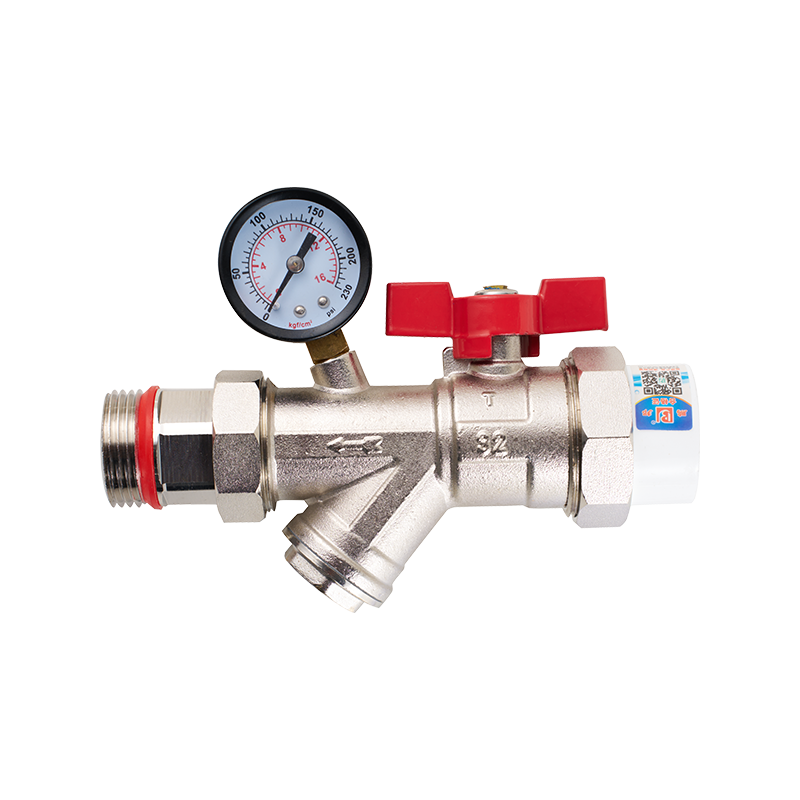
Increasing Importance of Filtration in Water Distribution Systems
Water quality control has become an essential part of modern pipeline system design. As a result, integrated filtration functions are gaining more attention in valve procurement decisions.
Key functional expectations include:
- Prevention of sediment entering pipeline networks
- Protection of pumps, valves, and downstream equipment
- Combined flow regulation and filtration capability
- Easy maintenance and cleaning design structure
This integration helps improve overall system efficiency and reduces operational risks.
Manufacturing Consistency and Global Supply Expectations
For international buyers, supplier reliability is strongly linked to production consistency and engineering capability. Large infrastructure projects require uniform quality across all delivered batches.
Key evaluation factors include:
- Precision injection molding for dimensional stability
- Strict sealing performance testing procedures
- Standardized pressure resistance inspections
- OEM/ODM customization for project-specific needs
Manufacturers with stable process control systems are better positioned for long-term cooperation.
Expanding Application Scenarios in Water System Engineering
PPR valve systems are now widely used across multiple industries due to increasing demand for efficient and reliable water distribution solutions. Their application scope continues to expand globally.
Common application areas include:
- Residential plumbing and water supply systems
- Agricultural irrigation networks
- Commercial building water infrastructure
- Industrial fluid transport systems
This broad usage continues to support stable global market demand.
Future Outlook in Water Valve and Filtration System Development
As global water systems continue to evolve toward higher efficiency and smarter management, demand for durable, integrated, and low-maintenance valve solutions will continue to grow. Buyers are increasingly prioritizing system stability, material performance, and long-term operational reliability.
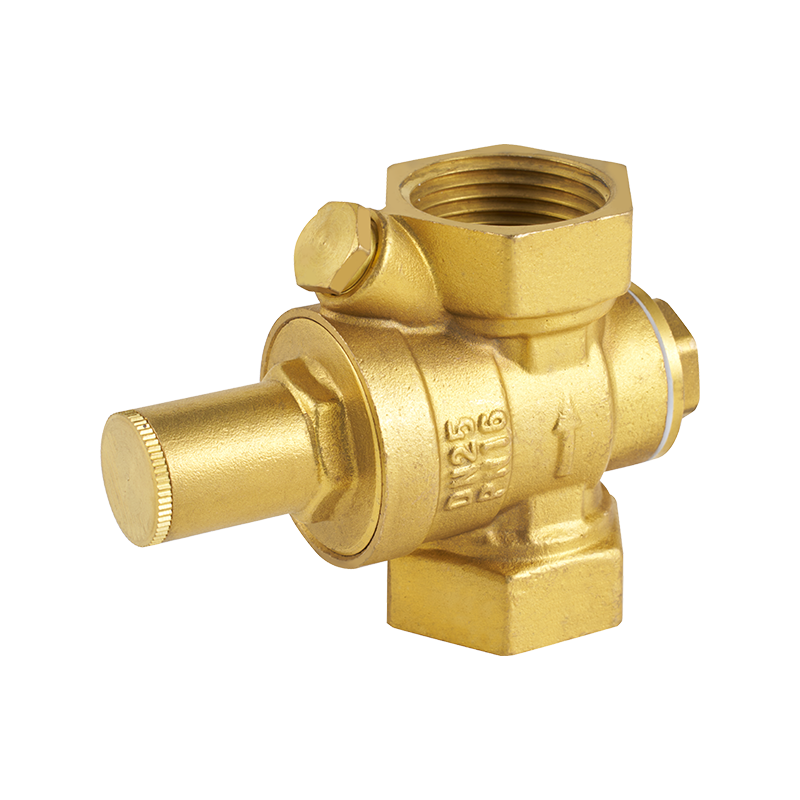
In this evolving landscape, Filter Ball Valve solutions will remain a key component in modern water engineering, supporting improved flow control, enhanced system protection, and long-term pipeline efficiency across global applications.



 CONTACT US