

 English
 русский
 Español
 عربى
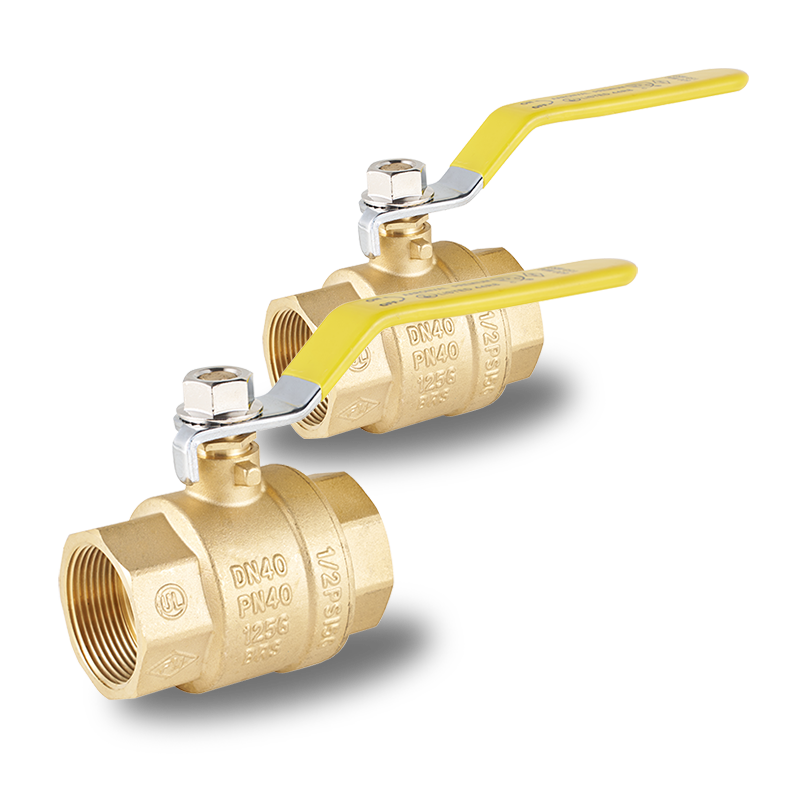
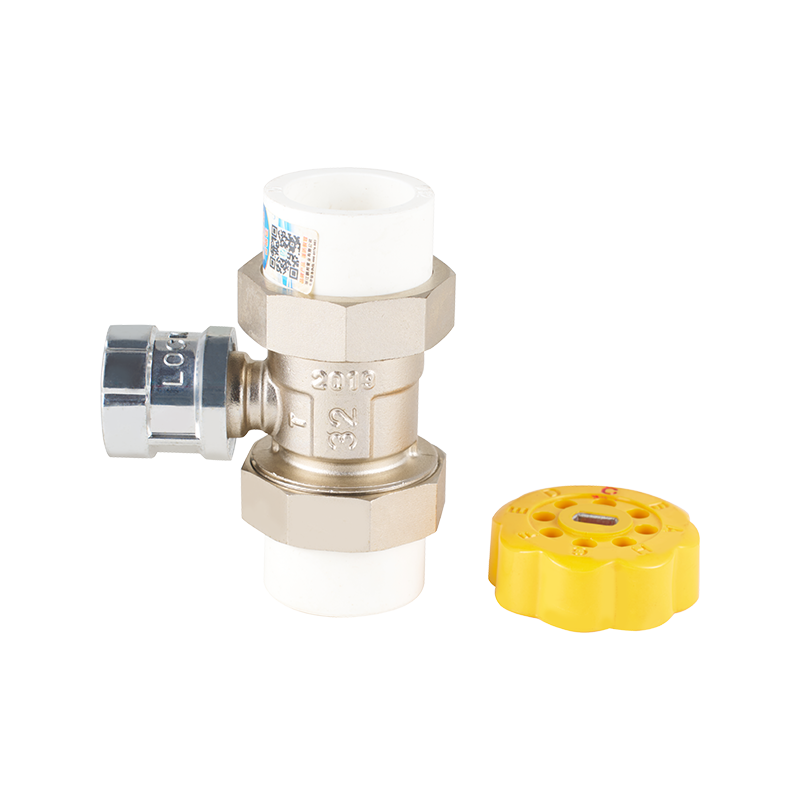
عربىLong-term operation is a key requirement in fluid circulation systems used for heating, water distribution, and industrial processing. Over time, internal contamination, component wear, and flow instability can affect how these systems function. A Filter Ball Valve plays an important role by combining flow isolation with internal filtration, helping manage particle buildup while allowing convenient system control. For a Floor Heating Manifold Factory, incorporating this type of valve into heating distribution systems helps maintain cleaner circulation pathways and supports stable performance throughout extended service periods.
Managing Internal Contamination During Continuous Circulation
Closed and semi-closed circulation systems often operate for months or years without complete fluid replacement. During this time, small particles can develop inside pipes due to corrosion, scaling, or installation residue. Even in systems filled with treated water, internal surfaces gradually release microscopic material.
Without filtration, these particles continue circulating and may accumulate in sensitive areas such as manifolds, balancing valves, and pumps. Over extended operation, this buildup can restrict fluid movement and affect temperature or pressure distribution.
A valve with an integrated filtering element helps capture debris during normal circulation. This prevents widespread particle movement and allows operators to remove contaminants at accessible service points. By controlling contamination levels, the internal environment remains more stable and predictable.
Helping Protect Pumps and Circulation Equipment
Circulation pumps are essential for maintaining fluid movement in heating and cooling systems. Their internal components operate under constant motion, and contact with abrasive particles can gradually affect surfaces such as impellers and seals.
Filtration within the valve structure helps reduce the number of particles reaching pump components. This supports smoother pump operation by reducing unnecessary contact with debris. Over time, this contributes to more consistent fluid movement and reduces the likelihood of performance interruptions caused by internal buildup.
This protection becomes especially useful in heating systems connected to manifolds, where pumps operate continuously during seasonal use.
Maintaining Clean Distribution Within Floor Heating Manifolds
Floor heating manifolds divide circulating fluid into multiple controlled pathways. These systems rely on balanced flow to distribute heat evenly across different zones. When contaminants accumulate inside manifold channels, flow distribution may become uneven.
A Filter Ball Valve helps reduce the amount of debris entering manifold assemblies. By capturing particles upstream, it helps maintain cleaner internal pathways within distribution components. This supports stable circulation through each loop and helps maintain consistent heating conditions.
Since floor heating pipes are typically embedded beneath floors, preventing contamination from reaching these areas reduces the need for invasive maintenance procedures.
Supporting Consistent Valve and Control Function Over Time
Fluid control systems depend on various valves to regulate flow, isolate sections, and adjust pressure. These valves rely on properly aligned internal surfaces to function correctly. When debris accumulates in sealing areas or adjustment pathways, valve operation may become less consistent.
Integrated filtration helps reduce this risk by intercepting particles before they reach sensitive valve components. Cleaner fluid helps maintain smoother movement within control mechanisms and supports consistent adjustment response.
This becomes particularly important in systems requiring precise flow regulation, such as heating systems with multiple controlled zones.
Making Routine Maintenance Easier and More Efficient
Long-term system operation depends not only on initial design but also on practical maintenance accessibility. Integrated filtration supports easier maintenance by providing a defined location where debris collects.
This offers several maintenance-related benefits:
- Filter screens can be accessed without removing large pipeline sections
- Collected debris can be removed during scheduled service intervals
- Maintenance personnel can monitor contamination levels directly
- Cleaning procedures require less system downtime
This accessibility helps simplify maintenance planning and allows system operators to maintain cleaner internal conditions without complex procedures.
Reducing the Spread of Corrosion Particles Within the System
Over time, metal piping and fittings may develop internal corrosion, especially in systems exposed to temperature variations. Corrosion releases small particles that circulate with the fluid and may settle in sensitive areas.
A Filter Ball Valve helps reduce the movement of these corrosion particles by capturing them before they reach distribution components or pumps. This limits the spread of contamination and helps maintain clearer internal flow paths.
Supporting Stable Pressure and Flow Conditions
Stable pressure and flow are important for maintaining consistent system performance. When particles accumulate in restricted areas, they can create uneven resistance within the pipeline network. This may affect how fluid is distributed across different sections.
Filtration helps maintain clearer internal pathways, allowing fluid to move with fewer obstructions. This contributes to more stable pressure conditions and helps maintain consistent circulation patterns.
In heating systems connected to manifolds, stable flow conditions support uniform heat delivery across all connected zones.

 CONTACT US