

 English
 русский
 Español
 عربى
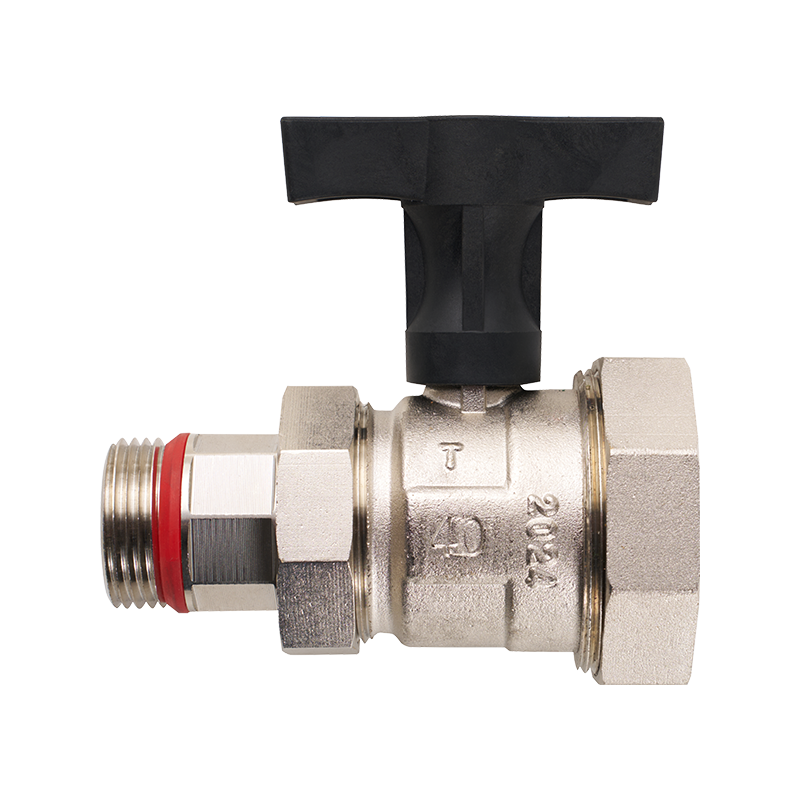
عربىModern hydronic heating systems depend heavily on precision-engineered components to maintain balanced water circulation. A professional Floor Heating Manifold Factory plays a direct role in ensuring consistent flow control, while integrating functional elements such as the Filter Ball Valve to support system stability. When flow distribution accuracy is properly managed, underfloor heating systems can maintain steady temperature performance, reduce uneven heating zones, and operate with predictable hydraulic behavior. The production process, structural design, and quality control practices all influence how evenly heated water is distributed across multiple circuits.
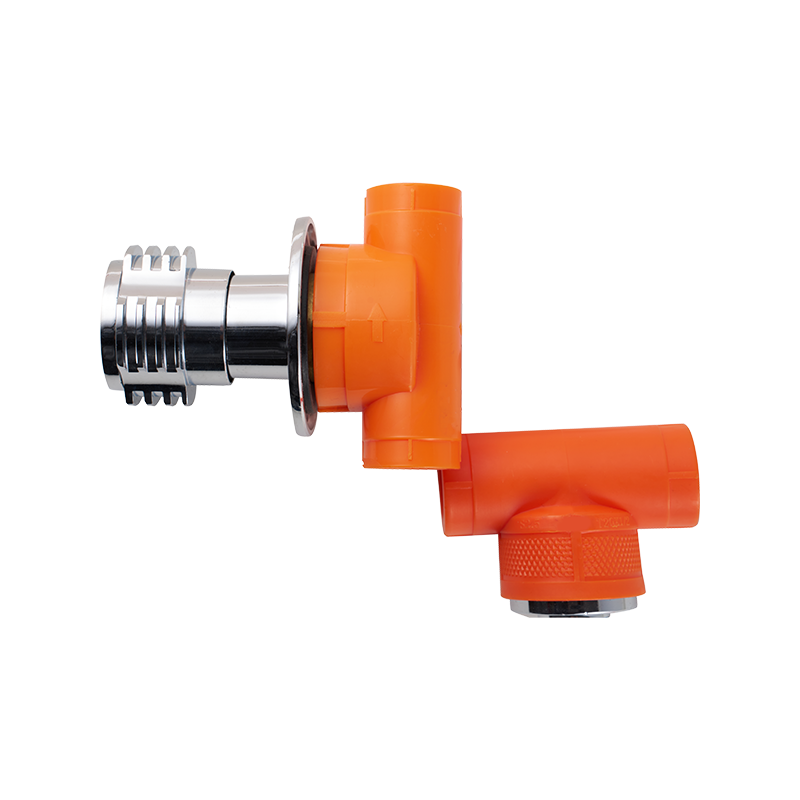
Internal Channel Design Influences Flow Balance
Flow distribution accuracy begins with the internal structure of the manifold body. Manufacturers design internal channels with controlled diameters and smooth transitions to regulate water movement across different outlets. When internal passages are consistent, pressure differences between loops remain within a manageable range, helping each circuit receive a similar volume of heated water.
Factories that focus on dimensional consistency often use precision machining or calibrated extrusion methods to ensure uniform cross-sectional areas. This reduces turbulence and prevents localized flow restrictions that could otherwise affect downstream heating loops. Even small variations in channel geometry can create imbalances, especially in multi-zone residential or commercial systems where loop lengths vary.
Material selection also plays a role. Brass and stainless steel manifolds, for example, provide structural stability and maintain their internal dimensions under temperature changes. This stability helps preserve consistent flow characteristics over long periods of operation.
How Integrated Filter Ball Valve Supports Controlled Flow Conditions
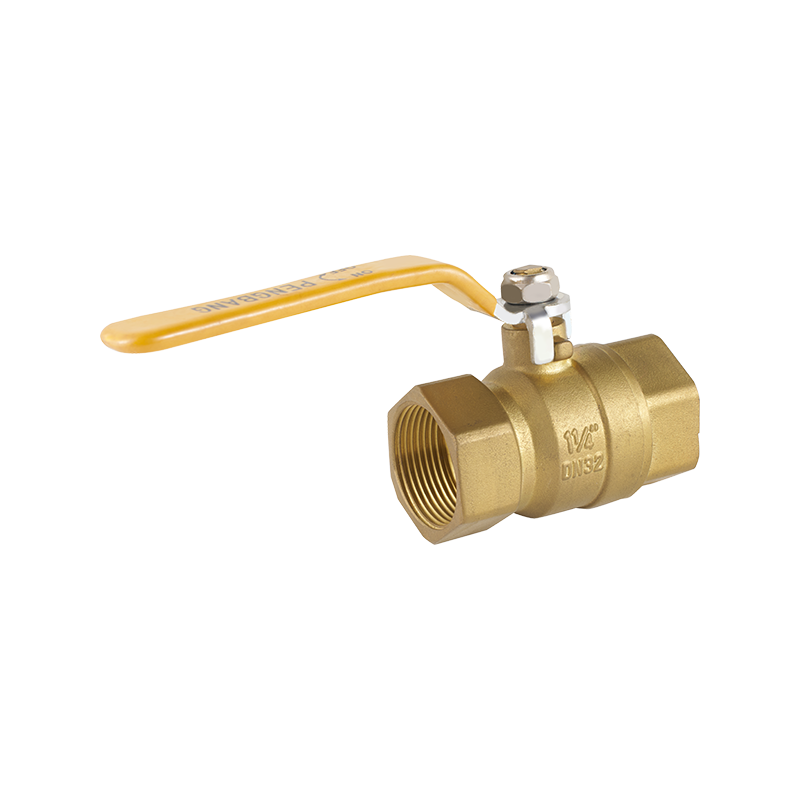
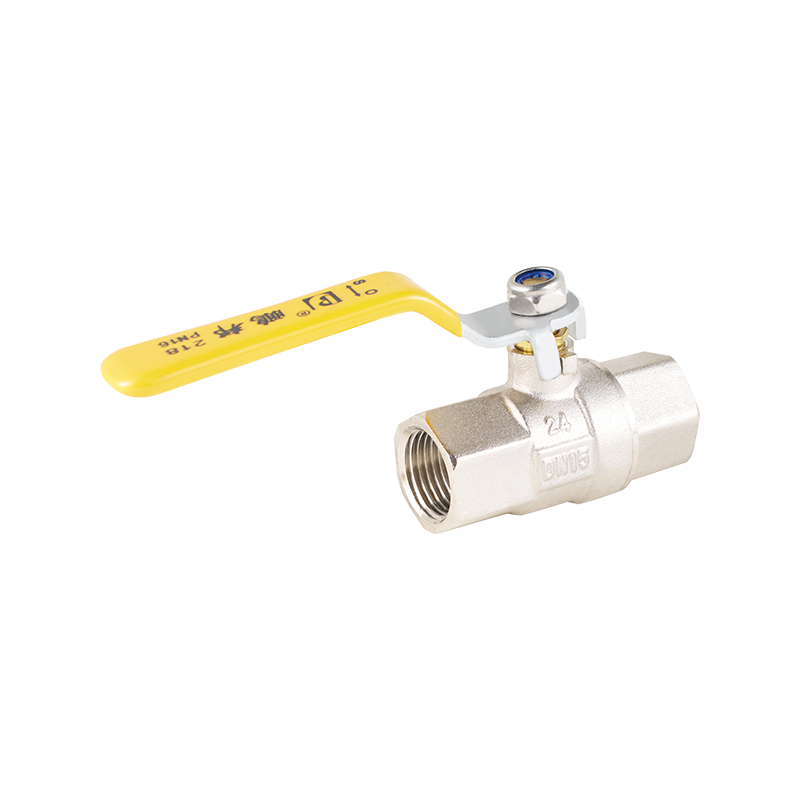
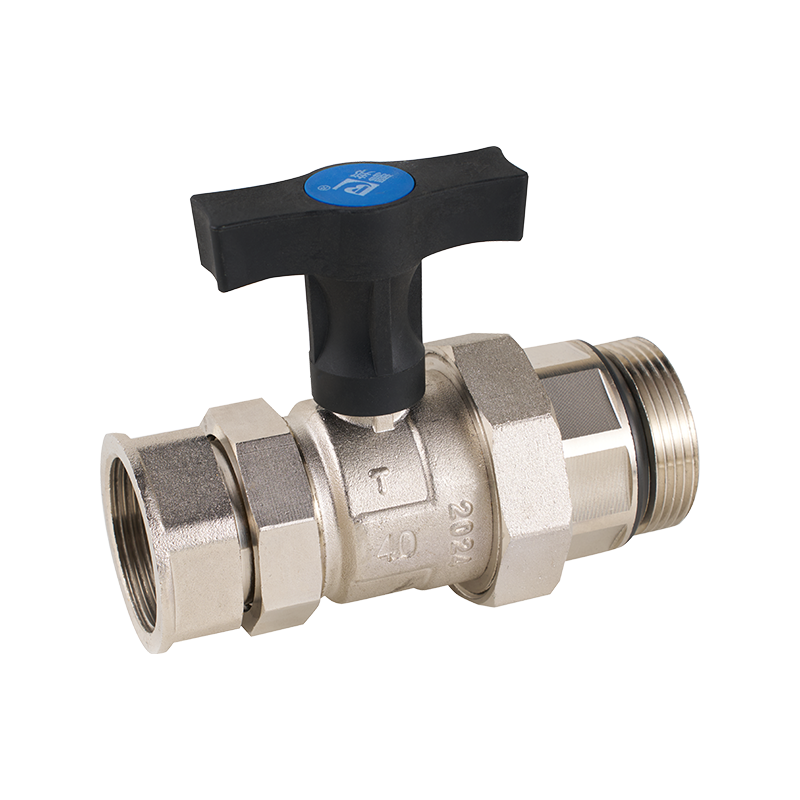
The integration of a Filter Ball Valve adds an additional layer of protection and control within the heating circuit. Its function extends beyond simple shut-off capability and contributes to maintaining consistent hydraulic performance.
Key practical contributions include:
- Removal of suspended particles
The internal filter captures debris such as metal fragments, scale, or installation residues. This prevents clogging in flow meters or narrow channels that would otherwise disrupt flow balance.
- Stable isolation during maintenance
When individual loops require inspection or servicing, the valve allows isolation without affecting the rest of the system. This helps maintain overall distribution stability.
- Preservation of flow meter accuracy
Clean water flow ensures that visual flow indicators provide accurate readings, supporting correct system adjustment.
- Reduced risk of internal wear
By limiting particle circulation, filtered water reduces abrasion inside valve seats and manifold passages, helping maintain dimensional integrity.
These practical features help maintain predictable water movement, especially in systems operating over extended heating seasons.
Flow Meter Integration Enables Direct Circuit Adjustment
Flow meters are essential components mounted on manifolds to monitor and regulate individual loop circulation. Their presence allows installers and technicians to visually confirm water movement and make adjustments according to heating requirements.
Factories improve accuracy by ensuring proper alignment between flow meters and internal channels. When the meter sits directly in line with the circuit outlet, readings reflect actual flow conditions rather than approximations influenced by turbulence or pressure distortion.
Calibration also matters. Many factories test flow meters using controlled water supply systems before assembly. This process ensures that flow scale markings correspond accurately to real water volumes. When installers adjust each loop using these calibrated indicators, the heating system can operate with balanced output across different floor areas.
Manufacturing Tolerances Affect Distribution Consistency
Production tolerances influence how evenly water flows through manifold circuits.
Factories improve distribution consistency by controlling several manufacturing parameters:
- Thread machining accuracy ensures tight, leak-resistant connections without restricting internal diameter
- Surface finishing reduces internal friction that could affect flow rate
- Consistent spacing between outlets prevents mechanical stress during installation
- Uniform assembly torque maintains stable sealing without deforming internal passages
These manufacturing controls help maintain uniform hydraulic characteristics across all circuits.
Pressure Regulation Features Help Maintain Steady Flow Behavior
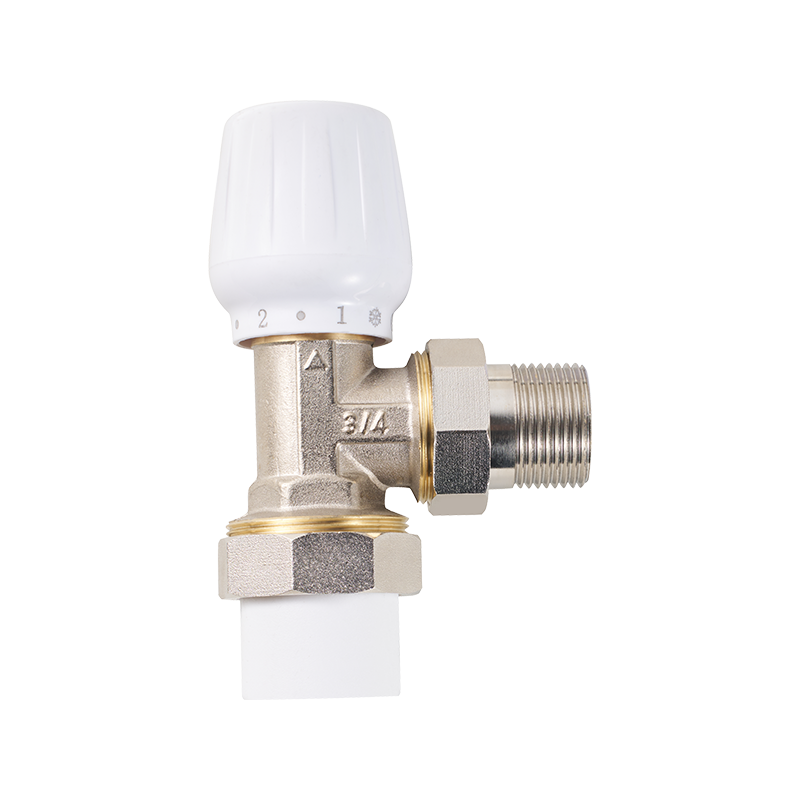
Pressure differences between heating loops can develop due to variations in pipe length, elevation, or resistance. To address this, manifolds often incorporate adjustable balancing valves or compatible regulation accessories.
Factories support accurate distribution by designing valve interfaces that allow gradual and precise adjustment. Instead of abrupt changes, technicians can fine-tune flow resistance in each loop. This adjustment helps equalize circulation even when loop lengths differ significantly.
Stable pressure regulation prevents excessive flow in shorter loops and insufficient flow in longer loops. Maintaining this balance supports consistent heating across the entire floor area.


 CONTACT US