

 English
 русский
 Español
 عربى
عربىClosed loop circulation systems are widely used in heating, cooling, and fluid transfer applications where the same fluid continuously cycles through pipes and equipment. Although these systems are designed to remain sealed, internal contamination can still develop over time due to pipe corrosion, installation residue, or component wear. A Filter Ball Valve helps manage this challenge by combining shut-off capability with built-in filtration, allowing operators to control flow while intercepting unwanted particles. For a Floor Heating Manifold Factory, this type of valve plays a practical role in supporting consistent circulation conditions and protecting distribution components from contamination-related interference.
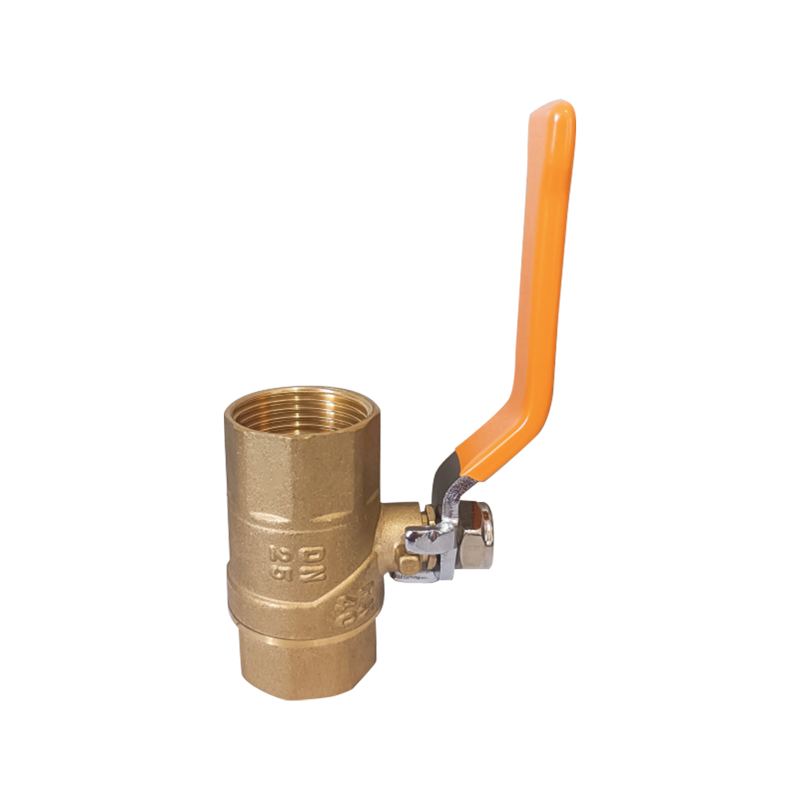
Why Closed Loop Systems Still Accumulate Contaminants
Closed loop systems are often associated with clean operating environments because they do not regularly introduce external fluid. However, contamination can originate from internal sources. Metal pipes gradually release corrosion particles, sealing compounds used during installation may loosen over time, and mechanical components can shed microscopic debris during normal operation.
These particles do not leave the system easily. Instead, they circulate continuously, passing through pumps, valves, manifolds, and heat exchange surfaces. As circulation continues, particles may accumulate in narrow passages or settle in areas with reduced flow velocity. Over time, this buildup can interfere with system balance and increase maintenance requirements.
A valve equipped with an integrated filter helps capture these contaminants at accessible points. This reduces particle circulation and helps maintain cleaner internal pathways without requiring additional external filtration units.
Protecting Circulation Pumps from Internal Wear
Circulation pumps operate continuously in many closed loop systems, especially in floor heating and hydronic heating applications. Pump components such as impellers and shaft seals are designed to operate under controlled conditions, but abrasive particles in the circulating fluid can gradually affect these surfaces.
When particles pass through the pump repeatedly, they may contribute to surface wear, affecting the efficiency of fluid movement. Even small amounts of debris can accumulate over time, especially in systems operating daily.
Installing filtration directly within a shut-off valve upstream of the pump helps reduce particle exposure. By limiting the number of contaminants reaching the pump, internal components remain cleaner, and fluid movement remains more consistent. This helps reduce the frequency of pump inspection and cleaning procedures.
Supporting Clean Flow Distribution in Heating Manifolds
Heating manifolds divide circulating fluid into multiple branch circuits, allowing controlled heat delivery to different zones. Each branch depends on unobstructed flow to maintain stable temperature distribution. When debris enters manifold channels, it can affect individual circuits by partially blocking narrow passages or affecting flow adjustment mechanisms.
This issue is particularly relevant in floor heating systems, where manifold channels are compact and precise flow balance is necessary for even heating. A Filter Ball Valve helps reduce the movement of debris toward manifold components, helping maintain unobstructed pathways.
This protective function supports consistent circulation across all connected loops, helping maintain intended operating conditions without requiring frequent internal cleaning of manifold assemblies.
Helping Maintain Consistent Valve and Control Component Operation
Closed loop systems often include multiple control points such as balancing valves, thermostatic valves, and actuators. These components regulate flow based on system demand and temperature conditions. However, small particles circulating in the fluid can interfere with valve sealing surfaces or adjustment mechanisms.
When debris accumulates in valve seats or control openings, it may affect proper closure or flow regulation. Over time, this can result in uneven flow distribution or increased adjustment requirements.
Using a valve with integrated filtration helps intercept contaminants before they reach sensitive control components. This helps maintain smoother adjustment and reduces the likelihood of obstruction within valve assemblies.
Simplifying Maintenance Through Accessible Filtration Points
Maintenance accessibility is an important factor in closed loop system design. When contamination builds up deep within the pipeline network, cleaning often requires partial system shutdown or disassembly. Integrating filtration into a shut-off valve allows debris collection at accessible locations, simplifying inspection and cleaning.
This design approach provides several practical maintenance advantages:
- The filter element can be removed and cleaned without disconnecting major pipeline sections
- Maintenance personnel can inspect debris levels during routine service
- Cleaning intervals can be planned based on system operating conditions
- Debris removal occurs before contamination spreads further into the system
This reduces maintenance complexity and helps operators manage system cleanliness more effectively.

 CONTACT US