

 English
 русский
 Español
 عربى
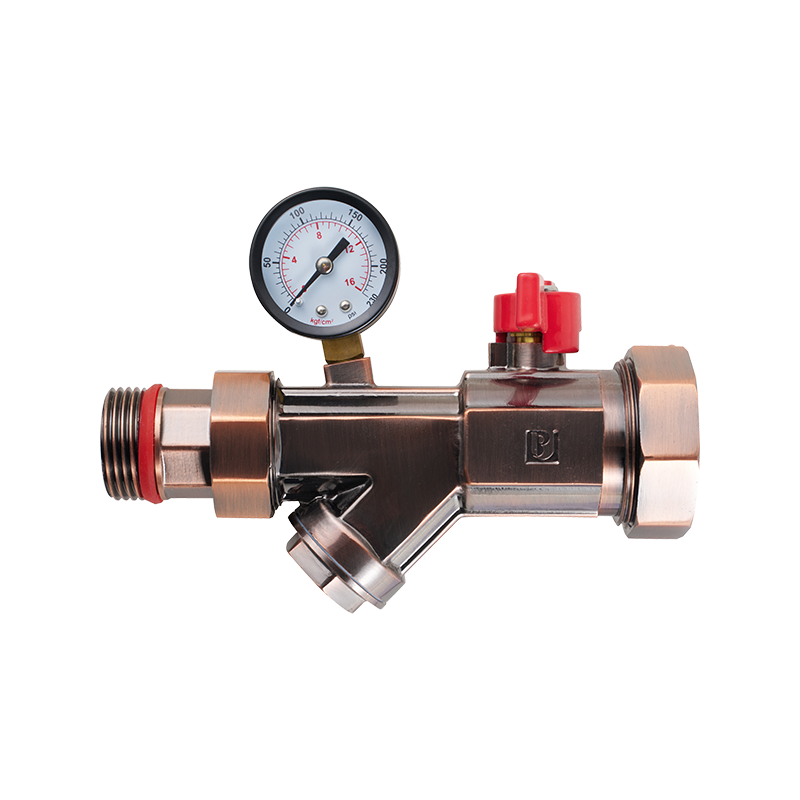
عربىMaintaining fluid cleanliness and stable flow conditions is a practical challenge in modern piping systems, especially in heating, water distribution, and industrial circulation networks. A Filter Ball Valve integrates flow control and filtration into a single structure, helping reduce contamination-related risks without requiring separate filtration units. For a Floor Heating Manifold Factory, this type of valve plays a meaningful role in supporting heating distribution systems, where small particles or debris can interfere with consistent performance. By addressing common pipeline issues directly at the valve level, systems can operate with fewer interruptions and more predictable behavior over time.
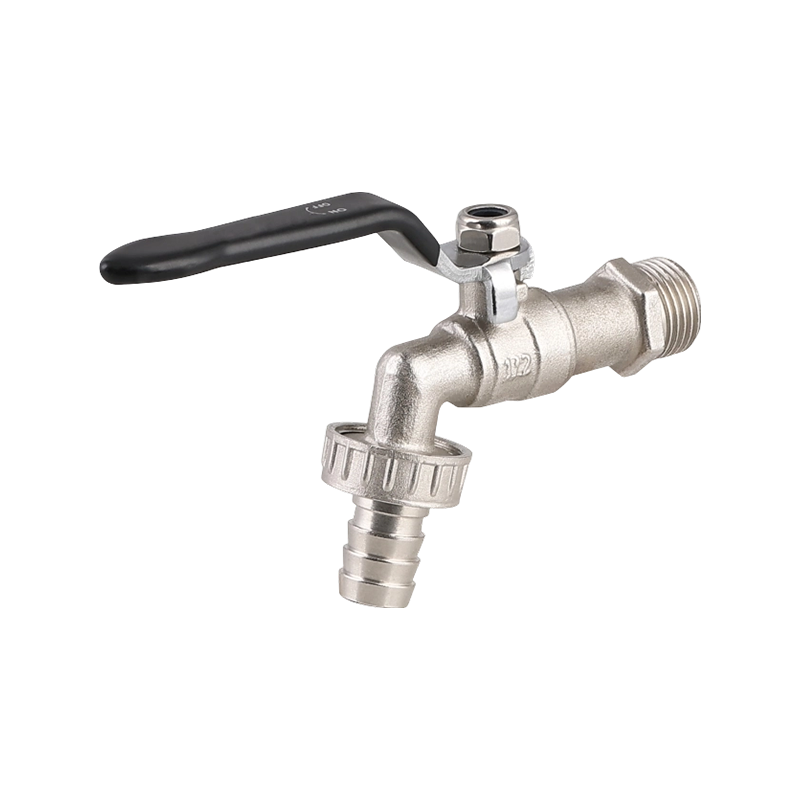
Preventing Debris from Entering Sensitive Equipment
One common problem in pipelines is the presence of solid particles, such as rust flakes, sand, welding residue, or sealing material fragments. These contaminants often originate during installation, maintenance, or from gradual pipe corrosion. When they travel through the system unchecked, they can enter downstream components such as pumps, heat exchangers, flow meters, or heating manifolds.
A valve equipped with an internal filter screen acts as a physical barrier, capturing unwanted particles before they reach sensitive equipment. This protective function is particularly relevant in circulating heating systems, where manifolds distribute heated water through multiple loops. Even small particles can accumulate in narrow passages, gradually restricting flow or interfering with temperature distribution. By removing contaminants early in the flow path, the system can maintain smoother internal conditions and reduce the likelihood of mechanical interference.
Reducing Blockage Risks in Narrow Pipeline Section
Pipelines often include areas with reduced diameter, bends, valves, and control points where flow patterns change. These sections are more vulnerable to accumulation of debris, especially when fluid velocity fluctuates or when systems operate intermittently. Over time, particles can settle and form localized blockages.
A Filter Ball Valve helps address this issue by intercepting contaminants before they reach restricted sections. This is particularly useful in applications such as underfloor heating systems, where pipes are long and narrow, and access for cleaning is limited. Once debris becomes trapped in such areas, removing it can require partial system disassembly or flushing procedures.
By incorporating filtration at accessible points, maintenance personnel can remove accumulated debris directly from the valve rather than from deeper sections of the pipeline. This simplifies maintenance procedures and helps avoid disruptions to the broader system.
Supporting Stable Flow Performance in Heating Distribution Systems
Consistent flow is essential for heating systems to maintain uniform temperature distribution. When debris circulates freely, it can interfere with flow balance by partially obstructing channels or affecting control components such as balancing valves and actuators.
In floor heating manifolds, each loop relies on controlled flow rates to maintain even heating. If particles accumulate in certain loops, those areas may receive less heated fluid, resulting in uneven temperature conditions. A Filter Ball Valve helps reduce this risk by limiting the movement of contaminants within the system.
This function contributes to maintaining more predictable hydraulic behavior, especially in systems that operate continuously for extended periods. It also supports proper function of flow adjustment devices that depend on unobstructed internal pathways.
Helping Protect Pump Components from Wear
Pumps are critical components in many fluid circulation systems, and their internal parts operate with tight tolerances. When abrasive particles pass through pumps, they can gradually wear surfaces such as impellers, seals, and bearings.
The presence of a filtering element upstream of pump equipment helps reduce exposure to such particles. By limiting the amount of abrasive material entering the pump, the valve helps maintain smoother internal pump operation and reduces the frequency of maintenance interventions.
This protective role becomes increasingly important in systems using metal piping, where corrosion particles may form naturally over time. Without filtration, these particles circulate continuously and can contribute to gradual equipment wear.
Preventing Valve Seal Damage and Leakage
Control valves depend on properly aligned internal sealing surfaces to regulate flow and maintain shut-off conditions. When debris becomes trapped between sealing surfaces, it can prevent complete closure or cause gradual wear.
A Filter Ball Valve helps reduce this risk by capturing contaminants before they reach downstream control valves. This helps maintain cleaner contact surfaces and supports consistent sealing performance.
In heating manifold systems, multiple control points regulate flow to different zones. Keeping contaminants away from these control interfaces supports smoother adjustment and helps maintain intended flow distribution.
Lowering Maintenance Frequency Through Accessible Filtration
One of the practical advantages of integrated filtration is easier access for cleaning. Instead of installing separate strainers at different pipeline locations, a valve with a built-in filter allows maintenance personnel to remove accumulated debris directly at the valve body.
This design offers several practical benefits:
- The filter screen can be removed without dismantling long pipe sections
- Cleaning can be performed during scheduled maintenance intervals
- Debris removal occurs at a defined and accessible point
- Inspection helps identify contamination levels within the system
By simplifying the cleaning process, maintenance tasks become more predictable and less disruptive to overall system operation.


 CONTACT US