

 English
 русский
 Español
 عربى
عربىA practical look at residential plumbing often raises questions about placement, especially when fixtures such as a Ball Valve Faucet and a PPR Ball Valve are used in different parts of a home. Homeowners aiming for efficient water control, easier maintenance, and stable daily use often find that choosing the right installation spot matters just as much as selecting the right product.
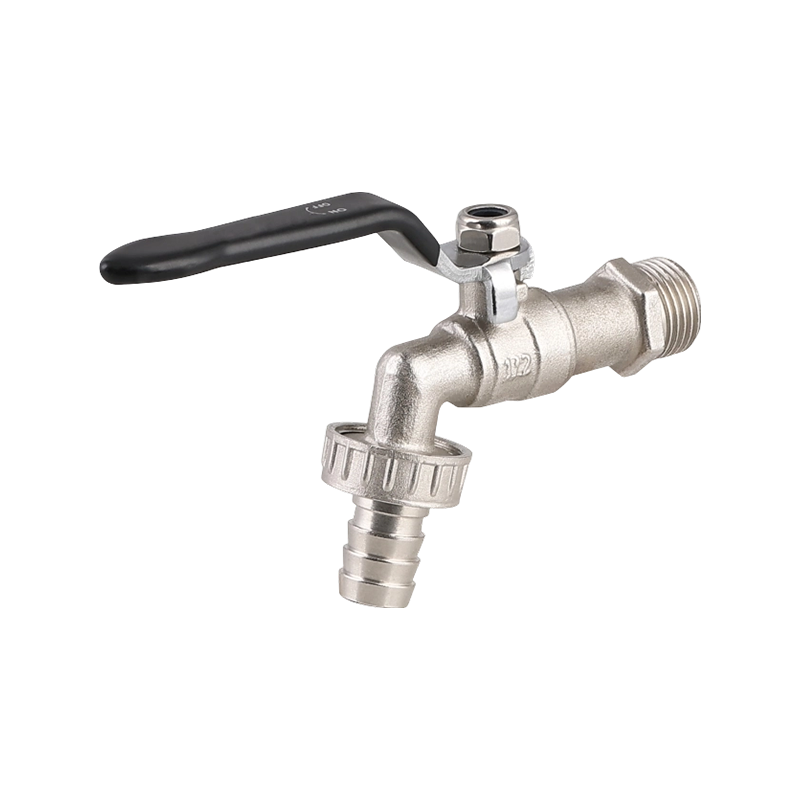
Kitchen Installation and Its Influence on Daily Water Control
The kitchen is one of the water-use areas, making it a common place for installing a Ball Valve Faucet. Since cooking, dishwashing, and cleaning require frequent adjustments, a faucet with a simple quarter-turn mechanism supports practical control. Homeowners benefit from placing this type of faucet near sinks where quick shutoff is helpful, such as during filter replacement or minor cleaning tasks.
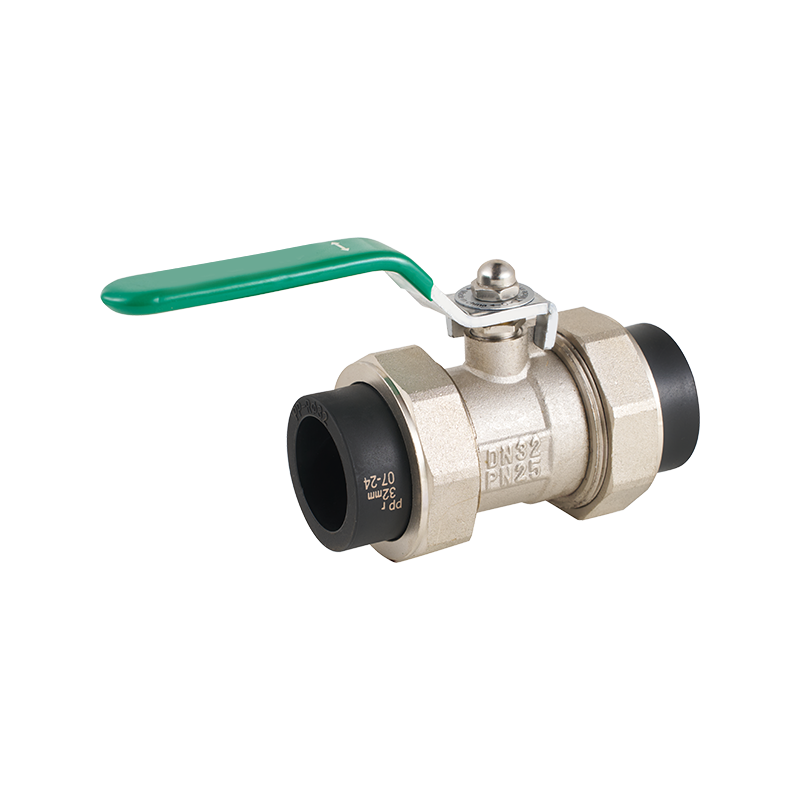
In many kitchens, under-sink shutoff valves are also essential. While a faucet handles surface use, a PPR Ball Valve installed in the supply line below the sink provides a dependable shutoff point for maintenance. Because PPR material handles both cold and warm water conditions, this combination supports stable flow without requiring frequent intervention. When deciding on placement, homeowners can examine whether the shutoff point is easy to reach, as accessibility directly affects convenience during repair or upgrade work.
Bathroom Areas Where Flow Control Matters
Bathrooms typically involve several fixtures—basins, showers, toilets—and each benefits from different types of flow management. A Ball Valve Faucet installed at the washbasin offers straightforward operation for handwashing, face washing, and grooming routines. Some homeowners prefer valves with ergonomic handles, as these reduce effort for users of all ages.
Behind the scenes, PPR Ball Valves play a role within the pipeline system supplying hot and cold water. Their installation points usually depend on pipe routing. Common locations include riser lines in utility cabinets or concealed wall spaces with service access openings. Homeowners evaluating efficiency should check whether an installed valve allows quick isolation of bathroom fixtures without affecting the entire household supply. This consideration becomes important during repairs involving water heaters, shower mixers, or flushing mechanisms.
Utility Rooms and Outdoor Applications
Many households use utility rooms for washing machines, water heaters, or cleaning equipment. These areas benefit greatly from clear flow-control points. A Ball Valve Faucet can be installed near washing machine inlets or cleaning basins where frequent hose connections or short-duration water access is required. The ease of turning the handle supports rapid on-off adjustments when moving between tasks.
Meanwhile, PPR Ball Valves are commonly used in the piping that supplies water heaters or outdoor irrigation lines. Their corrosion-resistant material provides consistent performance in areas with varying temperatures or exposure to moisture. For outdoor use, such as garden hoses or irrigation connections, homeowners might place a faucet at a reachable exterior wall and pair it with an indoor PPR Ball Valve for emergency shutoff. This arrangement ensures that outdoor fixtures can be isolated without entering the main distribution pipe.
Areas Requiring Emergency Shutoff Capability
One of the key reasons homeowners consider placement carefully is the need for quick and dependable shutoff during sudden issues such as leaks or component replacements. A Ball Valve Faucet installed near entry points—such as the pipe feeding a water filter or a basement sink—allows water to be turned off immediately without affecting the whole system.
A PPR Ball Valve installed in the main supply line or branch lines supports wider control when larger sections of the home need isolation. Installing these valves at logical junctions, such as where the main line splits into cold-water and hot-water branches, can help homeowners handle maintenance tasks efficiently. The key is accessibility: valves hidden behind heavy appliances or sealed wall panels reduce practical usefulness. Homeowners reviewing placement can consider small access doors, open shelving, or utility cabinets to maintain reachability.
Influence of Pipe Layout on Recommended Installation Points
Every home has a unique pipe layout, and this directly affects where faucets and valves perform. Horizontal and vertical pipe runs, elevation differences, and the distance between supply sources all shape water pressure and flow behavior. For faucets, placement near endpoints ensures smoother operation and reduces unnecessary piping. For PPR Ball Valves, alignment with the existing pipe diameter and direction helps maintain stable flow.
Homeowners assessing efficiency can request a simple system sketch from an installer or review available house plans. With this information, they can choose positions where handling, shutoff convenience, and flow stability align well with everyday use. In older houses with mixed pipe materials, combining a Ball Valve Faucet with upgraded PPR valves in the supply lines often results in more predictable water control.


 CONTACT US